

Introduction
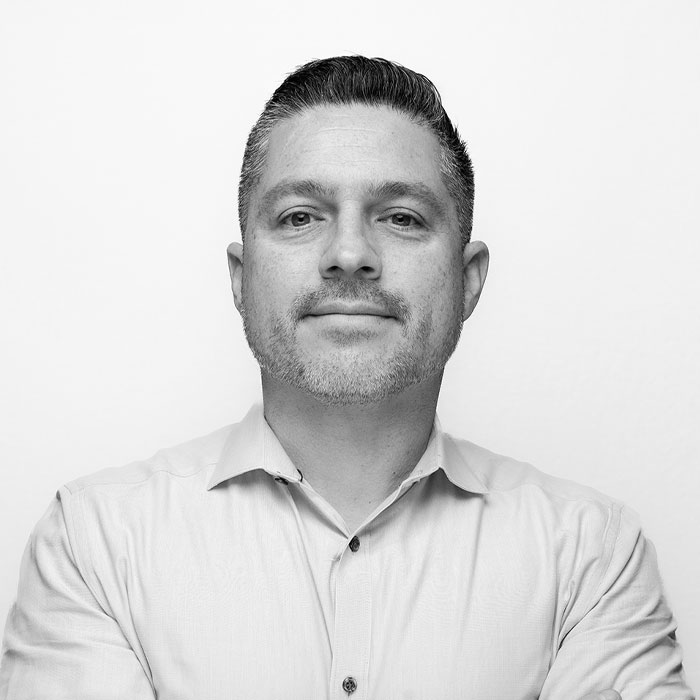
Adam Williams, a partner at Legacy Real Estate Advisors in Charlotte, North Carolina, joins Jack Ossa on The Power of Design Podcast to talk about restaurant and retail real estate. Adam helps brands create, grow, design and develop destination projects such as restaurants and retail stores.
They discuss how he got into the field, what makes a good restaurant, how brand and design influence what people are willing to pay, how office and retail design are converging, and the uncertainty COVID-19 created for retailers and landlords.
About the Episode
Adam says he did not start out with a passion for restaurants. He began in residential real estate, moved into commercial real estate in the mid-2000s and arrived just before a downturn. Restaurants were still active, so he partnered with someone from the restaurant business and built a practice around them. A friend then suggested he start a blog, which grew into a Charlotte restaurant news source, and later a podcast of his own.
On a typical assignment, he does a great deal of landlord representation and also tenant representation. He prefers to join early, with a whiteboard, to ask what the owner wants and who the upstairs tenant is, because the ground floor of an apartment or office building is a small share of the project but has to feel inviting. He also stresses mechanical, electrical and plumbing planning for restaurant space.
Jack and Adam then compare how experience, brand and design change behavior: restaurants and retailers adding experiential elements, offices adopting lounge seating and food, and older marble-lobby office towers losing their appeal to younger people who want to feel they belong. They end with COVID-19 uncertainty and Adam's view that retail is still in the early stages of its next phase.
Key Takeaways
- Restaurant costs sit out of sight: most of the construction money goes to kitchen, ventilation, electrical and grease systems customers never see.
- Get involved early: planning mechanical, electrical and plumbing for restaurants at the start avoids expensive problems later.
- Know the avatar upstairs: the type of tenant in the building should shape the design of the front door and ground floor.
- Food is necessary, not sufficient: service steps, communication and the overall experience decide how a restaurant feels.
- Brand drives spending: people pay for how a place makes them feel, so logo, menu and design should carry the same passion.
- Content is a commitment: Adam compares blogging and podcasting to a bill collector, because the work is due again every week.
- Retail is evolving: he sees the shift to frictionless, experiential retail as just beginning, not the end of physical stores.
Highlights from the Conversation
It's like building a freaking battleship man every inch matters and it's really expensive.
Adam Williams
You want to start a podcast you want to start a blog it's like a bill collector man.
Adam Williams
That's not what impresses people anymore people want to come in and feel like they belong.
Adam Williams
Topics Discussed
- Building a restaurant and retail practice in commercial real estate
- Landlord and tenant representation for ground-floor space
- Planning mechanical, electrical and plumbing early
- What makes a good restaurant experience
- Brand, logo and menu design as drivers of behavior
- Offices, lobbies and the shift toward comfortable, welcoming spaces
- Blogging and podcasting as a business-development tool
- COVID-19 uncertainty for retailers, landlords and lenders
Why This Conversation Matters
Restaurants and retail depend on both the right location and a design that matches the brand. Adam's emphasis on early planning, kitchen infrastructure and the ground-floor experience mirrors how we approach interior architecture for hospitality, and the identity work done in branding. Hospitality projects such as Bentley's Restaurant and The Club at Longview show how these ideas become real spaces.
About the Guest
Adam Williams is a partner at Legacy Real Estate Advisors in Charlotte, North Carolina. He specializes in retail and restaurant real estate, with landlord and tenant representation work, and hosts a podcast about retail. He also began a Charlotte restaurant blog that grew into a local news source.