
Introduction
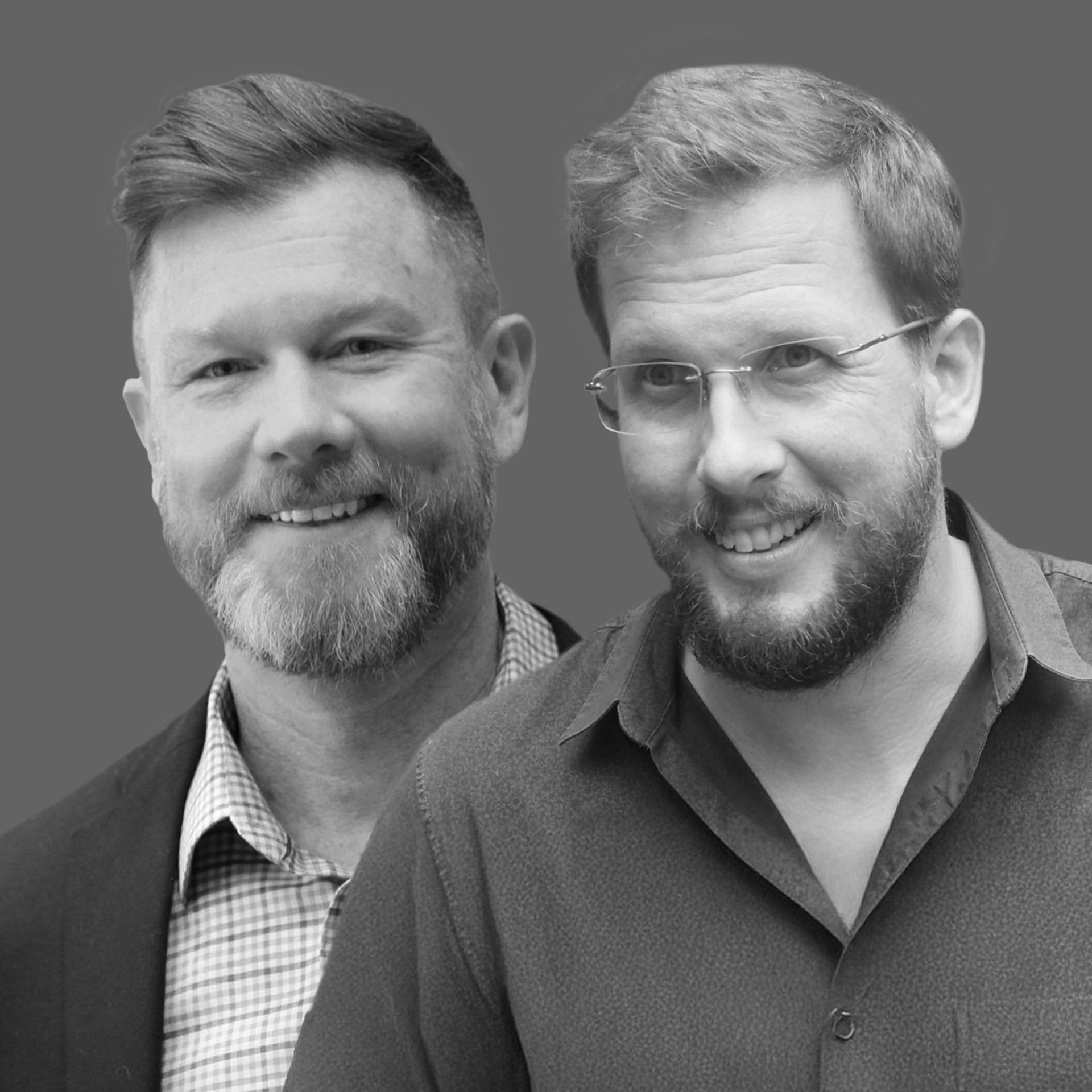
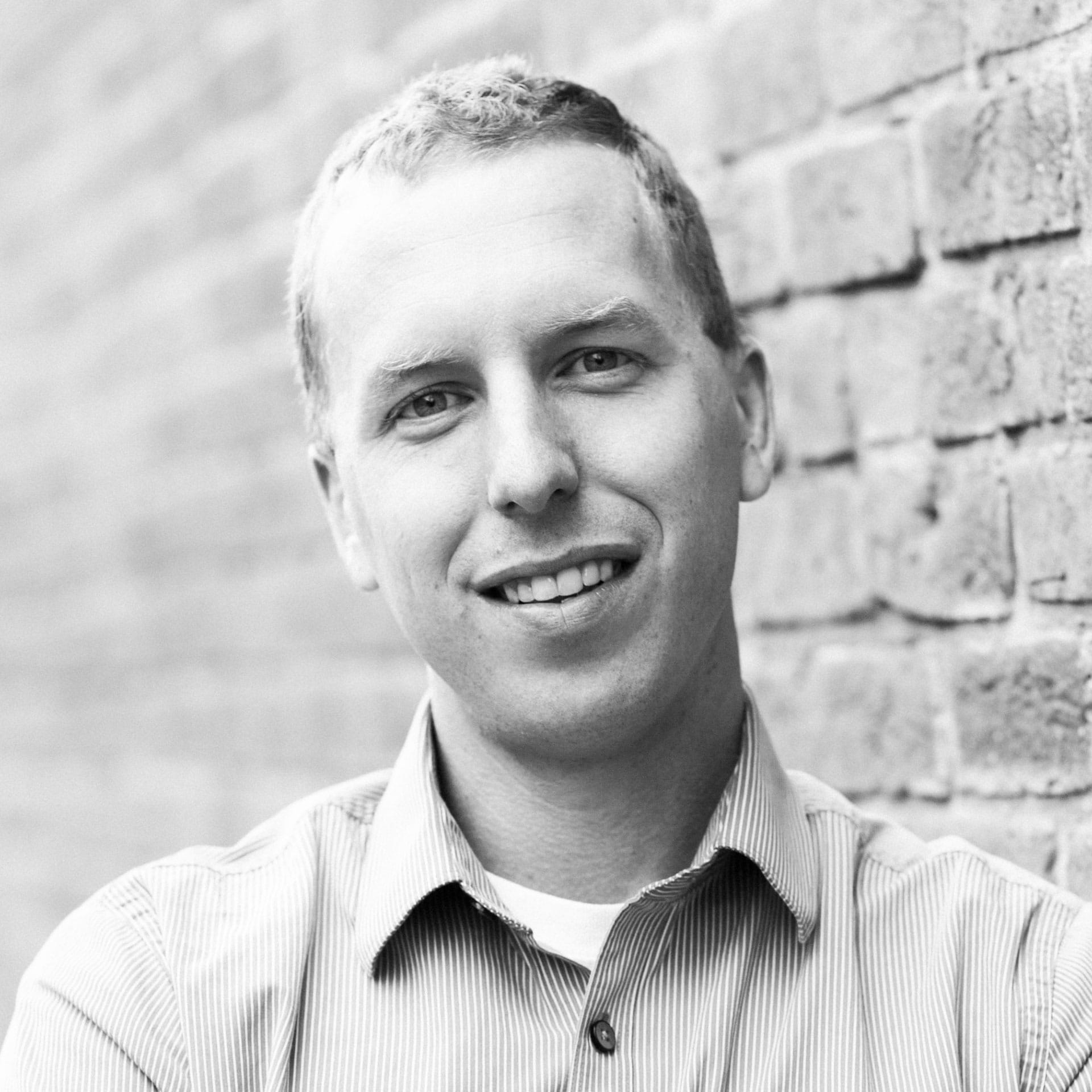
Alex Gore, co-owner of F9 Productions with his partner Lance and co-host of the Inside the Firm podcast, joins Jack Ossa for a podcast swap between two architects who run their own firms. F9 designs and builds, and Alex has worked at the intersection of architecture, construction and development.
The conversation covers how real estate, construction and zoning influence design before the architect starts, how his firm added construction services, the workflow it uses in Revit, and the challenges of raising the architect's impact on the built environment.
About the Episode
Alex starts with a different view of the order of the built environment. Financing depends on comparable projects, products depend on what contractors use, and government and zoning sit over all of it. Jack agrees and says the essence of architecture is understanding how people use space and designing that experience within constraints such as budget, materials and regulation.
They discuss how architects can have more impact by building knowledge in construction, development or city advocacy, and how zoning rules written by people who do not understand design can limit quality. Alex shares a recent city council decision on a large mixed-use project and argues that traffic is planned long before a developer arrives and that aesthetics should be judged on quality, not style.
Alex then tells the story of F9: a path through architecture school, an internship in New York during the 2008 downturn, a construction management degree and a firm that grew to about 15 people, adding one or two hires a year. They talk about the tiny house, the townhomes and the headquarters the firm built, the Revit approach, their podcast and the habits that keep Alex productive.
Key Takeaways
- Understand the hidden limits: financing comparables and contractor-driven products shape design more than most architects realize.
- Judge quality, not style: reviewing design by quality and refinement avoids arguments over taste.
- Grow beyond design: once you master the basics, building knowledge in construction, development or advocacy can increase your influence.
- Lower the risk of building: offering construction to existing architecture clients carries less exposure than speculative development.
- Model the way it is built: a Revit template that mirrors construction layers helps staff learn and speeds feedback.
- Shorten feedback loops: pick up the phone instead of writing long messages, and call the rep or builder when you do not know the answer.
- Ask for people's visions: a team retreat revealed goals the owners had not known and gave them a path to help staff reach them.
Highlights from the Conversation
To get financing you need comps, and you need comps on something similar. So if you do something unique, it's hard to get comps for it, and if it's hard to get comps for it, it's hard to get money for it.
Alex Gore
Aesthetics should be judged on quality, not style, because everyone's gonna have a different style.
Alex Gore
The role of the architect is to develop spaces and experiences for humans, and within the constraints we have.
Jack Ossa
Topics Discussed
- How real estate and construction drive design
- The role of the architect and levels of mastery
- Zoning, city councils and design regulations
- Starting a firm during the 2008 downturn
- Tiny houses, townhomes and spec development risk
- Offering construction alongside architecture
- Revit workflows that mirror construction
- Podcasting, feedback loops and the firm's future
Why This Conversation Matters
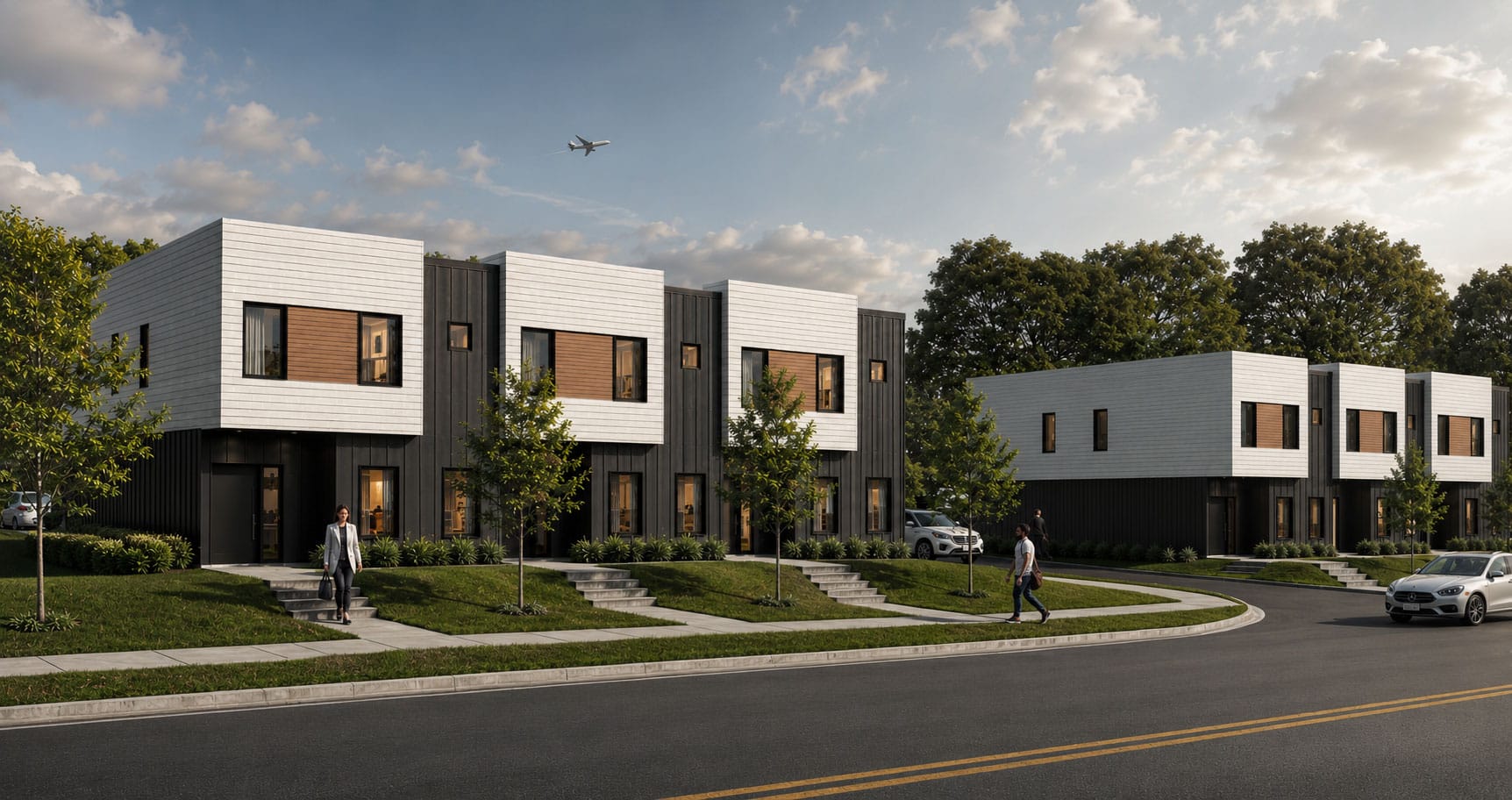
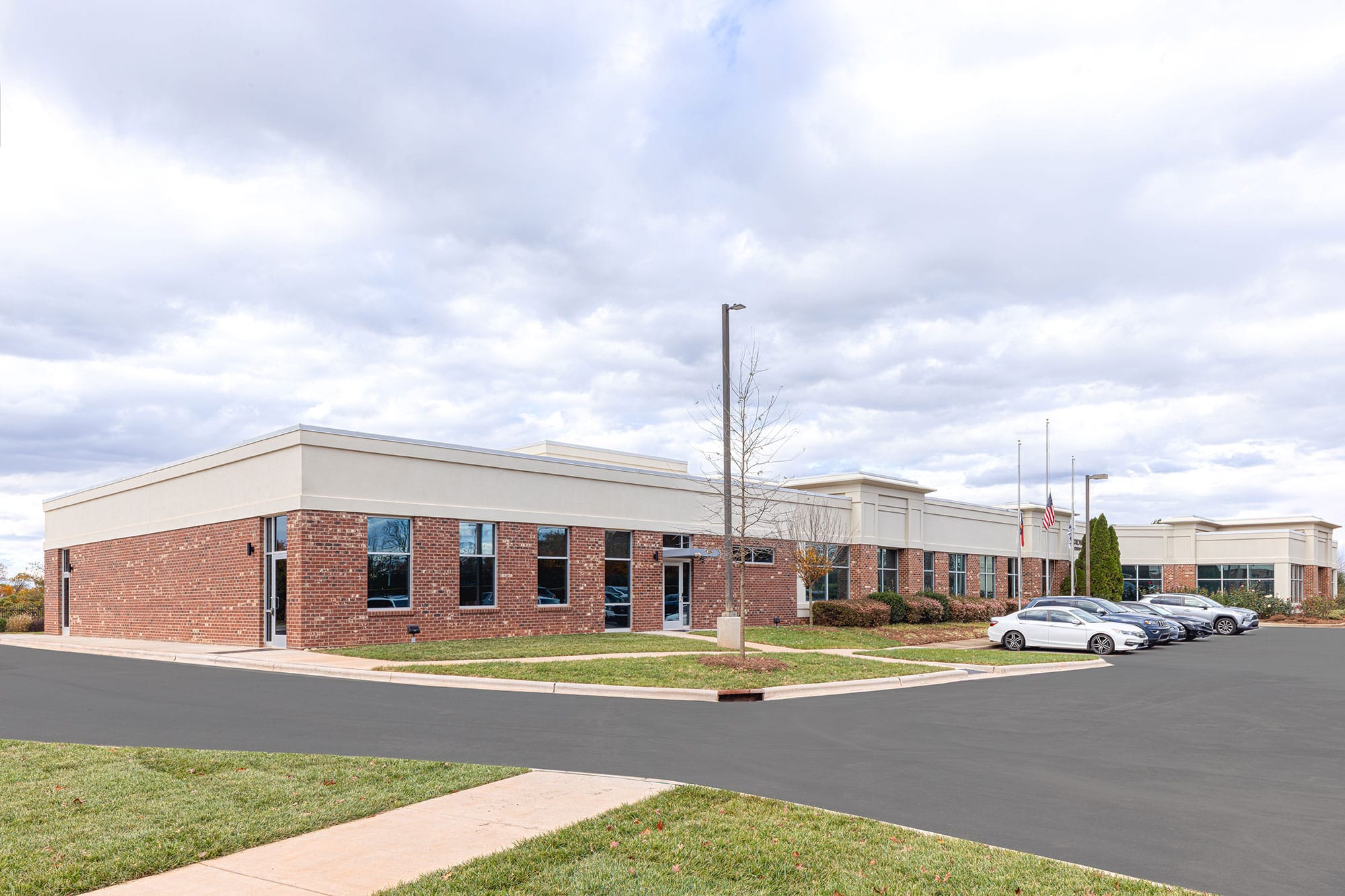
Alex shows how knowledge of construction and development makes an architect's work more buildable and more influential. That thinking guides our architecture practice, where renovation and expansion projects like Crowder Construction Expansion require close coordination with builders, and where a housing project like Metric Townhomes depends on zoning, costs and constructability from the first sketch.
About the Guest
Alex Gore is the founder and co-owner of F9 Productions, an architecture and construction firm he runs with partner Lance in Colorado, and co-host of the Inside the Firm podcast about running an architecture business. He studied architecture, worked in New York, earned a construction management degree and has taught a class at the University of Colorado Boulder. His firm has about 15 people and offers architecture, construction services and online courses on its Revit workflow.
Connect with Alex Gore on LinkedIn
Learn more about F9 Productions