
Introduction
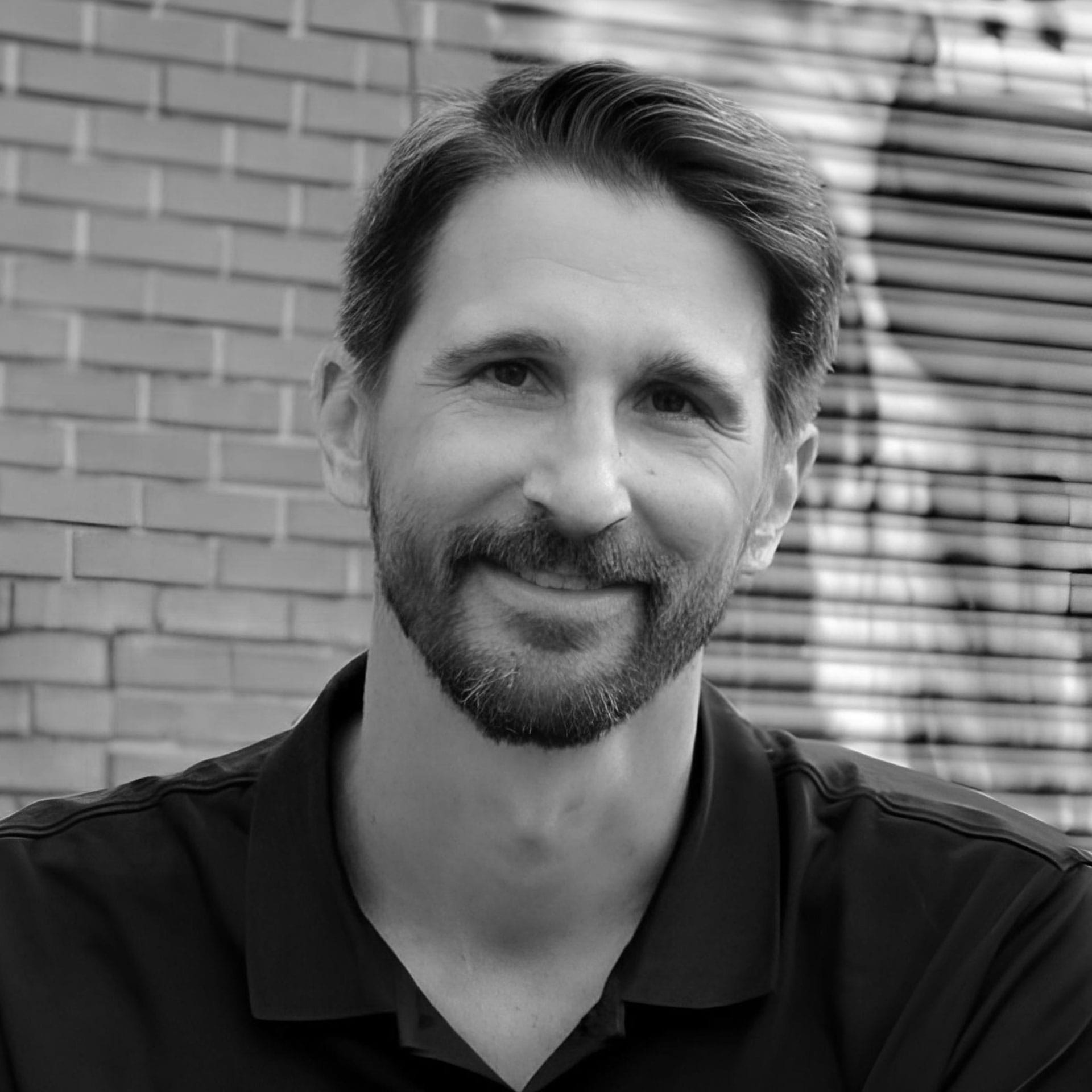
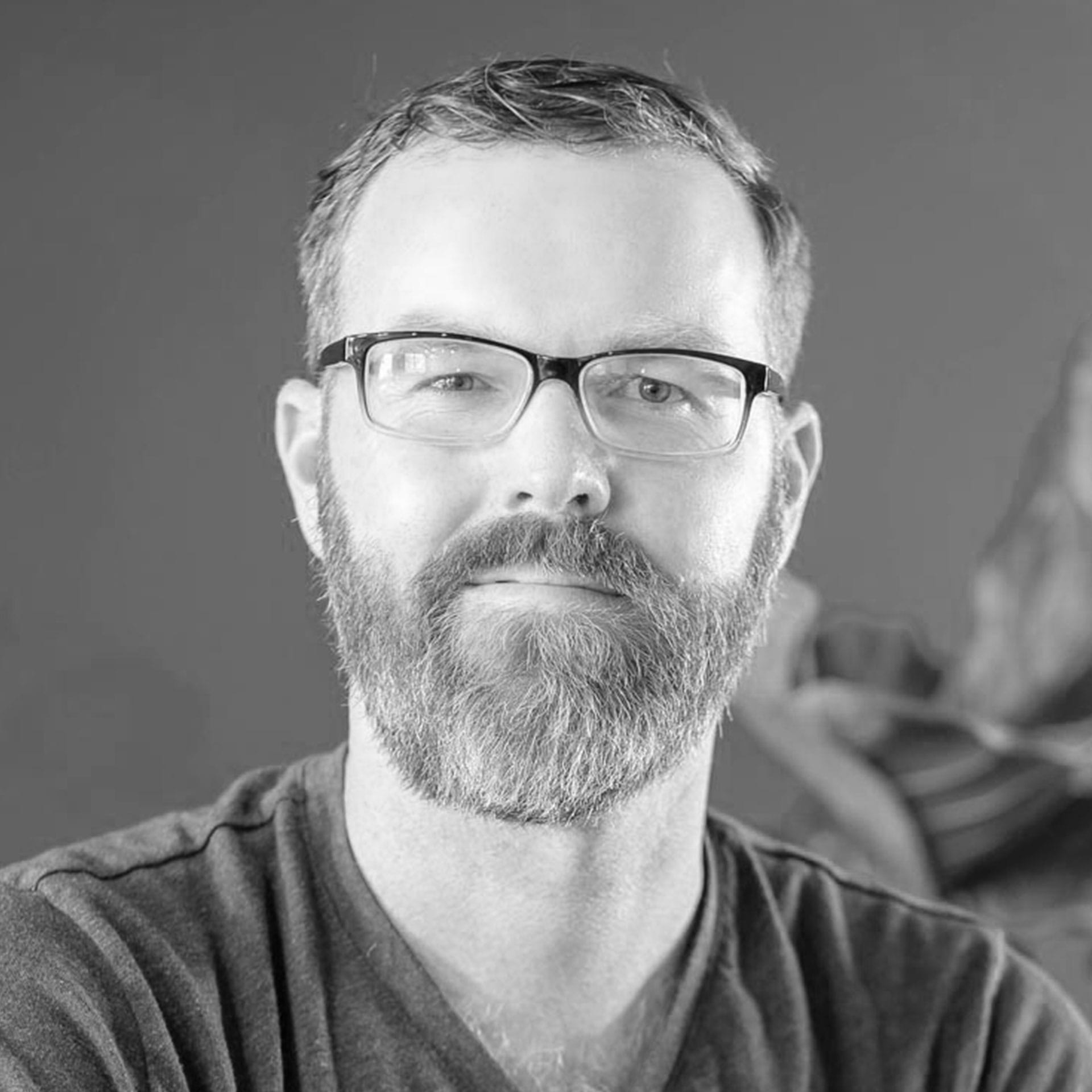
Ben Visser, founder of Social Design House, joins Jack Ossa on The Power of Design Podcast to talk about digital design, running a small studio and how websites and buildings share the same design principles. Social Design House is a branding and digital design studio in Rock Hill, South Carolina.
Jack and Ben met in an entrepreneurs' accelerator program, and they spend the hour comparing how a web design studio and an architecture firm sell, design and deliver projects.
About the Episode
Ben always doodled and discovered design through his high school yearbook, which combined art with computers. He studied design at Winthrop University, graduating in 2003, and built interactive projects while most classmates worked in traditional media. He interned at a Charlotte interactive studio whose founder let him work on real projects, and he later freelanced, partnered with two designers and then ran his own studio. In the early years he built interactive portfolios for artist friends and an online store for a group of graffiti artists using a content management system he had built himself.
Today Social Design House has about eight full-time people: a project manager, a content strategist, three designers, front-end and back-end developers, and Ben as the glue. He explains how it took years to move beyond a team of four or five, how he handed over development after coding websites for about a decade, and what he is learning about delegation and trust. He positions the studio as uniquely collaborative, filling design and digital gaps for companies at a fraction of the cost of a full-time hire.
Ben shares his three qualities of a good website, why clients who respect design are the best fit, and how he decides how many design options to show. Jack shares the three moments that shaped his idea of architecture, including his definition of architecture as the empty space people experience, and the two compare digital spaces and physical spaces.
Key Takeaways
- Keep it simple: tell what you do in the first sentence and the first visual a visitor sees, and make navigation obvious instead of clever.
- Create one or two unique elements: grids, tabs and menus are commodities, so put effort into the asset or interaction that makes the site memorable.
- Make it manageable: a site should let the client change content without calling the designer.
- Design for the user: experienced designers learn that the work is not for themselves or their peers but for the person buying a service.
- Work with clients who respect design: they may not know how to design, but they recognize good quality and value the process.
- Be collaborative: Ben wants his team to be the meeting clients look forward to, and he treats the client as the expert in their field.
- Let go of control: trusting a team means setting guide rails and stepping out of the way.
Highlights from the Conversation
I love people who respect design.
Ben Visser
I'd say, you know, simple, unique and manageable.
Ben Visser
Put up guide rails, not roadblocks.
Ben Visser
Ben also tells his team to avoid redoing what every site already has, so the time goes to the one or two things people will remember.
Topics Discussed
- Early interest in art, computers and design school
- The shift from print to interactive and web design
- Working as a freelancer and building a studio
- Simple, unique and manageable website design
- Design becoming a commodity with templates and AI
- Clients who respect design and showing design options
- Delegating and replacing yourself in a growing business
- Parallels between digital and physical space design
Why This Conversation Matters
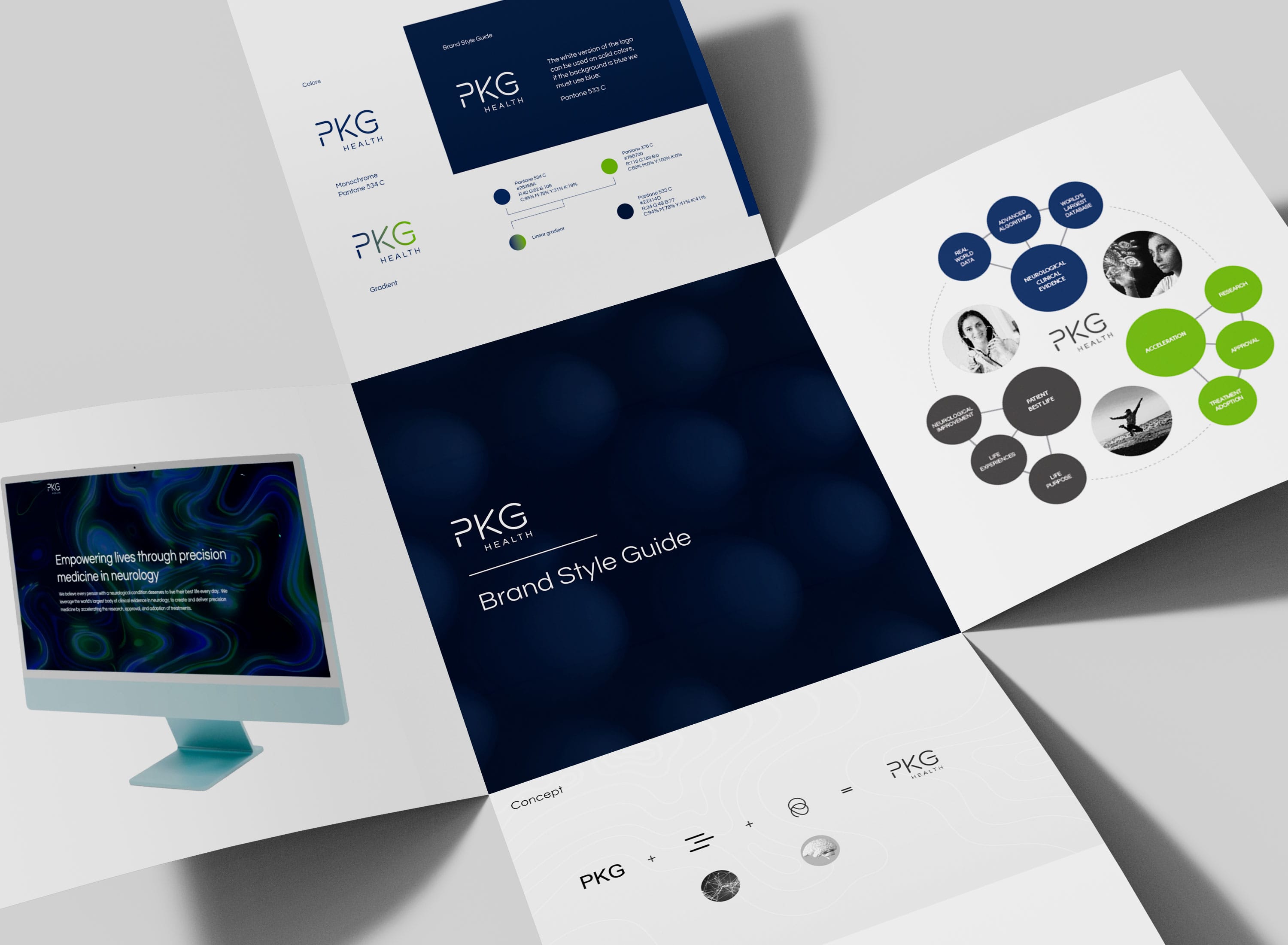
A website is often the first place people meet a brand, and Ben's three qualities apply to any brand identity or building: be clear, be distinctive and be easy to live with. That is the thinking behind our branding projects such as V3 Lighting and MSW Engineers, where a clear message and a unique visual system matter more than following trends. The same ideas also guide our architecture work, where the experience of the space matters as much as how it looks.
About the Guest
Ben Visser is the founder of Social Design House, a branding and digital design studio in Rock Hill, South Carolina, that has operated for about 14 years. He holds a design degree from Winthrop University and started his career at a Charlotte interactive studio before working on his own. His team builds brand identities, websites, apps and marketing materials for organizations including commercial real estate companies.