

Introduction
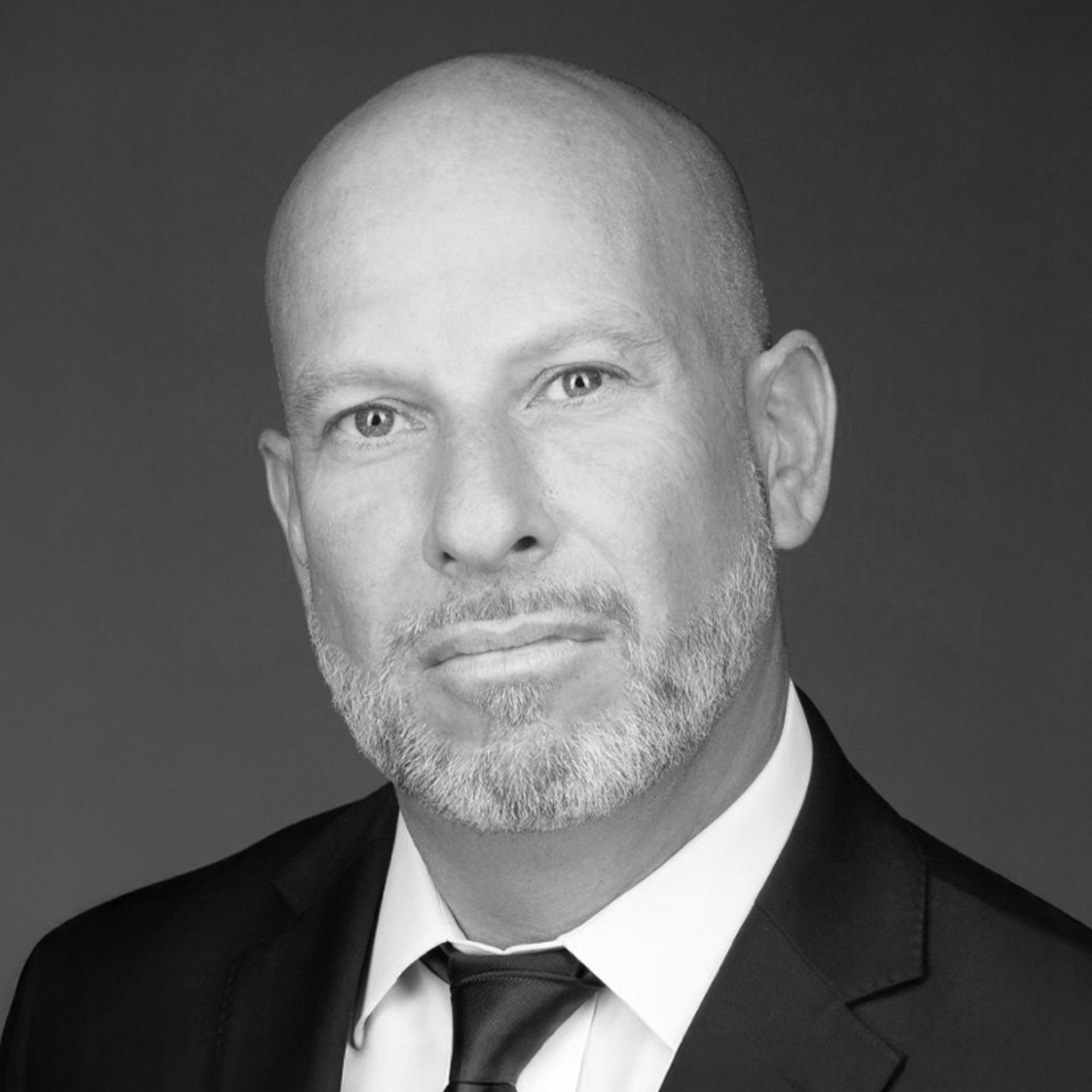
Blake Martin, Senior Vice President of Strategic Relationships at Flagship Healthcare Properties in Charlotte, North Carolina, joins Jack Ossa on The Power of Design Podcast to talk about business relationships, healthcare real estate and how to build a career that does not follow a straight line.
Jack describes Blake as a storyteller, and the conversation shows why: the story of his own path leads naturally into how he works with clients, architects and contractors today.
About the Episode
Blake opens with a leadership retreat at Flagship, where the team looked at how to grow from about 45 people a couple of years earlier to nearly 100 while keeping culture, processes, technology and data in order. He then traces his own path: a history and communications degree and later a master's degree in health administration from Pfeiffer University, work in university fundraising, about a decade at the nonprofit Monarch, and finally healthcare real estate.
In the middle of the episode, he and Jack discuss intuition and data. Blake argues that a gut feeling is built from years of experience and should be weighed alongside the numbers, and that nobody should treat a career as a straight path. They also talk about trauma-informed design and how a healthcare space should feel from the parking lot to the front desk.
The second half covers his work at Flagship. He meets hospital systems, physician groups and the design and construction professionals who serve the same clients, and explains the challenge of long material lead times and construction costs that run ahead of market rents. The conversation ends on communication: choose the right medium, keep the words simple and keep everyone on the same thread.
Key Takeaways
- Careers are not linear: Blake describes his path as a patchwork of experiences, and says every one of them informs later decisions.
- Gut and data work together: a gut feeling is years of experience compressed, and it should be balanced with research and numbers.
- Design for the patient: people seeking care are often at a weak point, so the experience should be simple, comforting and clear from the parking lot to the exit desk.
- Long-term owners build with care: Flagship holds the buildings it develops, so cutting corners at the start would come back to the team later.
- Lead time and cost are the main constraints: material delays and high construction costs shape what a client can build and how quickly.
- Put the whole team together early: architect, engineer and contractor need the same information, because a dream design handed to a builder with a small budget leads to weak finishes and systems.
- Over-communicate: choose the right medium, keep it clear and concise, and have a conversation when email may be misread.
Highlights from the Conversation
I think there's a place for the gut in the business world and I think there's a place for data, and they have to balance each other.
Blake Martin
We're long-term holders and so I jokingly say if we cut corners on the front end you're going to be unhappy, and then our property management team is going to be unhappy.
Blake Martin
Communication is at the core of everything.
Blake Martin
Topics Discussed
- Scaling a healthcare real estate company
- Blake's path from fundraising to real estate
- Intuition, data and learning from experience
- Trauma-informed design in healthcare buildings
- Building medical office buildings and surgery centers
- Construction costs, lead times and rental rates
- Aligning owners, architects and contractors
- Choosing the right way to communicate
Why This Conversation Matters
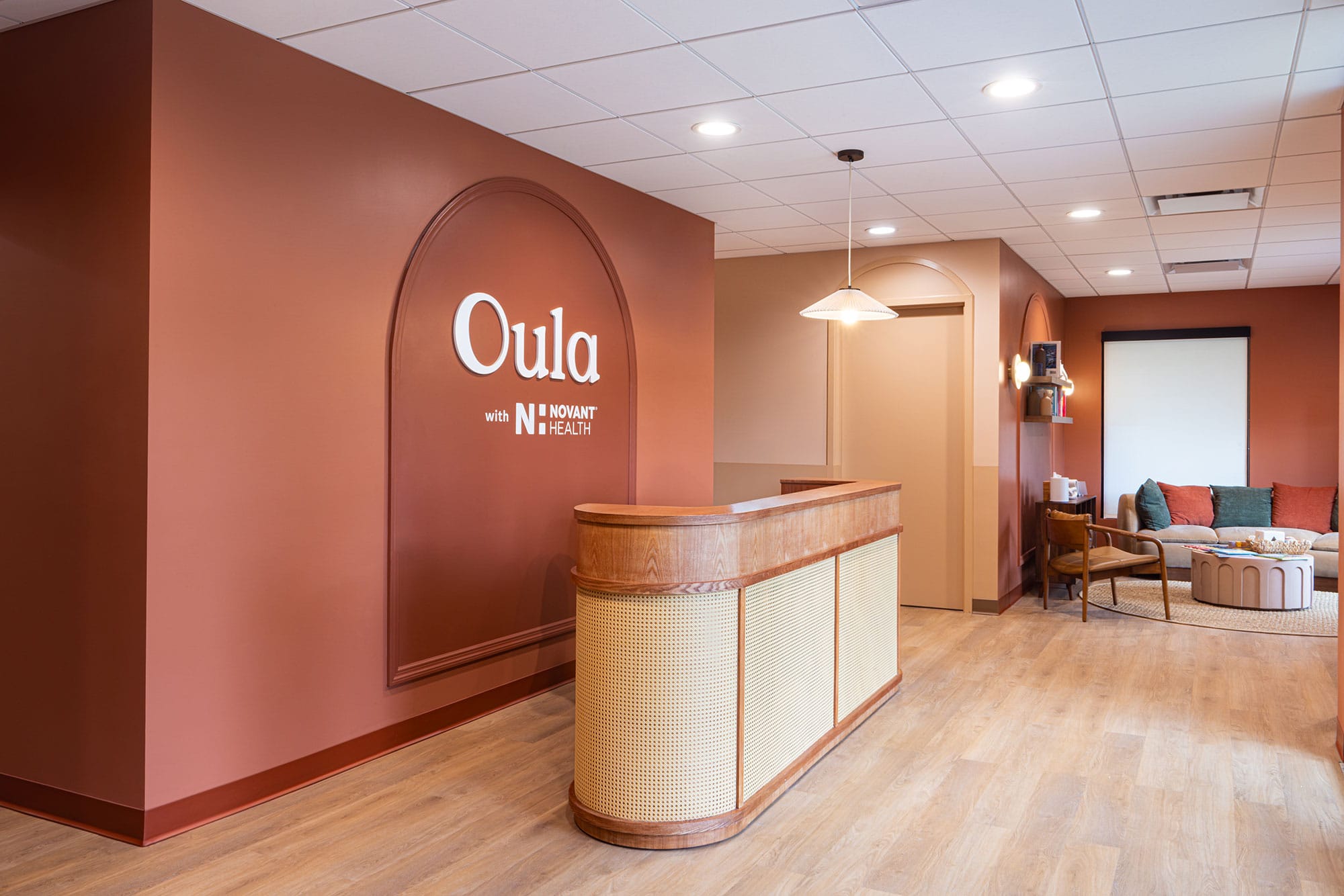
Blake's view that a healthcare space should feel simple and reassuring from the moment a patient arrives is the kind of thinking we bring to interior architecture for clinics and offices, as in Oula Health. His point that a brand and a story help a provider build trust connects with our branding work, such as PKG Health.
About the Guest
Blake Martin is Senior Vice President of Strategic Relationships at Flagship Healthcare Properties, a Charlotte-based company that builds, acquires and manages healthcare real estate across the Southeast. He previously spent about a decade at Monarch, a nonprofit health and human services provider, where he worked in fundraising and real estate. He holds degrees from Pfeiffer University. Learn more at Flagship Healthcare Properties or connect with him on LinkedIn.