

Introduction
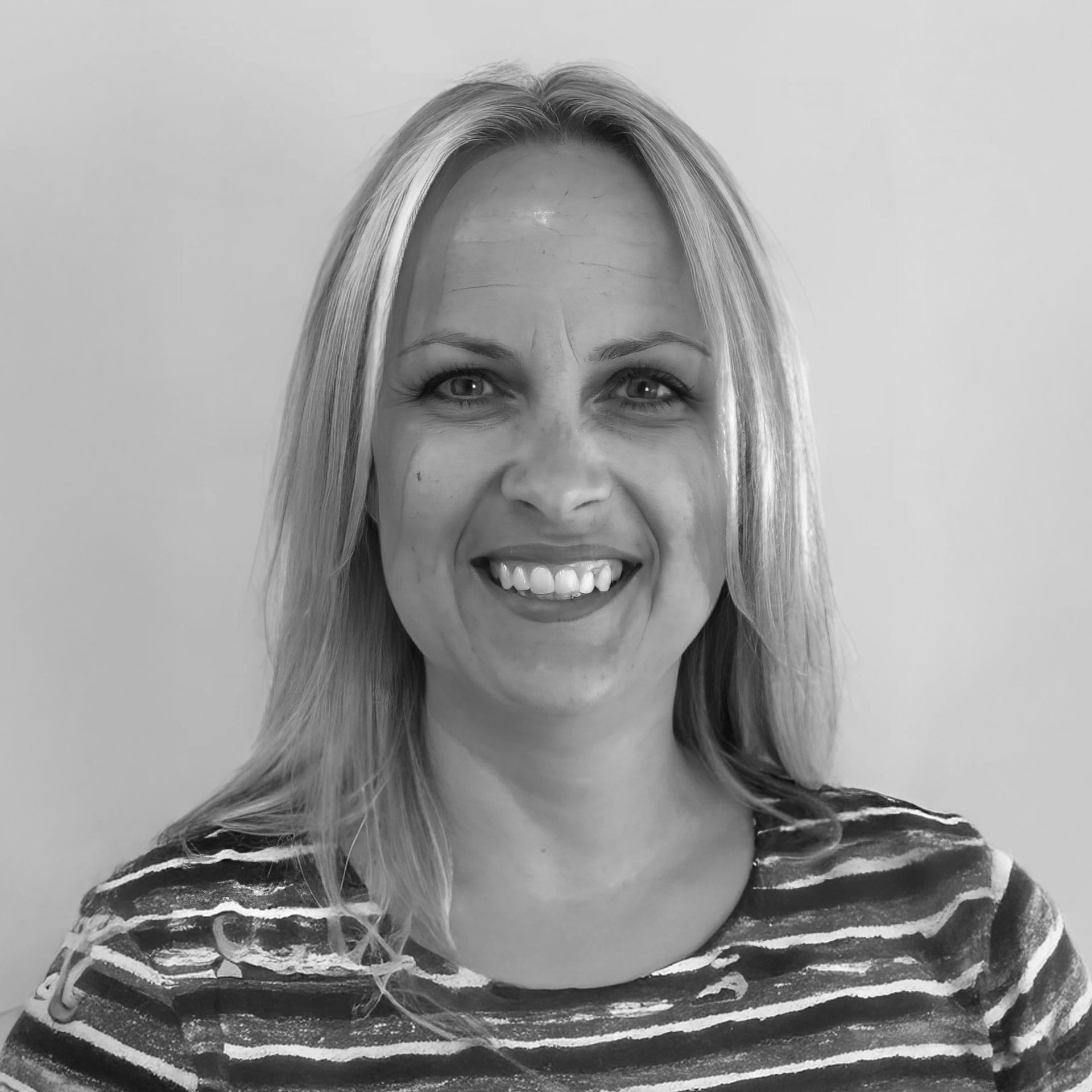
Carrie Frye, founder and lead designer of CFID Interior Design in Charlotte, talks with host Jack Ossa about commercial interiors and restaurant design. She specializes in corporate offices and restaurants, and she explains how she works with clients, architects, contractors and project managers.
The conversation covers her path from drawing house plans as a kid to running an independent studio, and the practical details that decide whether a space works for the people using it.
About the Episode
Carrie grew up in a small town in southwestern Virginia, studied interior design at Virginia Tech and has lived in Charlotte for more than twenty years. She realized in high school that the interior side interested her more than architecture, and she explains why she values working with architects and engineers who specialize in other areas.
She describes how she built her career: working hard in her twenties and early thirties, treating each firm's projects as her own and being given more responsibility as senior colleagues moved on. She took on business development, wrote her own proposals and learned to coordinate vendors, which now drives much of her work through referrals.
Carrie then gives a designer's view of restaurants and offices. She talks about space planning as a puzzle, why operations matter as much as looks, and why offices need more touchpoints, smaller meeting rooms and a residential feel. She also describes what she needs from general contractors and project managers, and explains her plans for a flexible, consultancy-style practice.
Key Takeaways
- Start with the client's priority: knowing what matters most to the client guides every decision that follows.
- Restaurants run on flow: a space can look great but fail if the layout makes service and the kitchen inefficient.
- Offices need variety: touchpoints, places for accidental meetings and a more residential feel help people move and interact.
- Right-size conference rooms: large rooms are used rarely, and Carrie tries to steer clients toward smaller meeting spaces.
- Share the vision with the builders: projects go best when the superintendent and subcontractors understand what the design is trying to achieve.
- Project managers should protect the design: ask the designer where to cut instead of removing the lead feature.
- Small can be an advantage: a nimble studio can take on a small piece of a project or try new directions.
Highlights from the Conversation
At the end of the day it's their space and I want to be there to emphasize their space to the best that it can be.
Carrie Frye
The space can look great if the service is terrible it doesn't really matter.
Carrie Frye
Nothing frustrates me more than a contractor that says well that's what the drawing said.
Carrie Frye
Topics Discussed
- Finding what matters most to a client
- Choosing interiors over architecture
- Building a career and taking ownership of the work
- Restaurant flow and back of house
- Office trends: touchpoints, residential and hospitality feel
- What makes a good contractor and a good project manager
- Budgets and the gap in the middle of the contractor market
- The future of restaurant design and running a small studio
Why This Conversation Matters
Carrie's approach mirrors how we work in interior architecture: understand the client's priorities, plan the flow first and keep the whole team aligned on the design intent. Her point that hospitality spaces must work operationally as well as visually applies to projects such as Bentley's Restaurant and The Club at Longview, and her view of offices that feel more like a living room connects to workplace projects like the Collet Office.
About the Guest
Carrie Frye is the founder and lead designer of CFID Interior Design in Charlotte, North Carolina. She specializes in commercial interiors, with corporate offices for most of her career and restaurant design, and she works as an independent designer who collaborates with architects and other consultants. She studied interior design at Virginia Tech and has worked in Charlotte for more than twenty years.