
Introduction
Chris Moeller, founder and principal of Orion Growth, returns to The Power of Design Podcast as its first repeat guest. His first conversation with host Jack Ossa was recorded before the pandemic, so they came back together to talk about what changed in the workplace, how technology can improve our lives, and what it is like to grow as an entrepreneur.
Orion Growth is a workplace consulting firm that helps companies design and build productive and engaging workplaces, and Chris describes how the last year pushed his team toward hybrid and virtual work.
About the Episode
Chris says the pandemic gave his team a chance to pause and study. While physical projects stopped, they researched the academics of workplace and talked with people who had been too busy before. They tested hybrid tools in their own office, such as hot desking, shared screens and information security, so they could advise clients on what actually worked. He admits that everyone underestimated how long projects would be delayed, and that advising clients to move into offices during a pandemic made little sense.
From that came total tenancy, an offering built on the idea that employees who can work securely and efficiently from anywhere can fit into any space. Chris compares data platforms to landlords, with different cloud providers acting like industrial, retail and class A office owners, and says that where data lives is now a form of tenancy. He also warns about fatigue, citing a workplace trend report that found a large share of workers considering a move.
Jack adds that design has to treat people as people, not as parts of a machine, and that choice about where to work will become a differentiator for attracting talent. The conversation also covers online relationships, authenticity, the way a distributed company can build culture, mental fitness, and designing virtual spaces with the same care for flow that physical spaces require.
Key Takeaways
- Use disruption to learn: the pause let Orion Growth research workplace and test hybrid tools in its own office before advising clients.
- Remote work was already possible: tools existed for years; the pandemic changed the mindset and proved that certain businesses can work independently.
- The office becomes a hub: the question is how the office supports a distributed workforce, so the workplace includes both on-site and remote parts.
- Fatigue is real: meetings need agendas, tasks and goals, and software should reduce switching between applications and passwords.
- Flexibility attracts talent: offering choices about where to work will matter for hiring and retention.
- Culture can be distributed: shared stories and community service can create a sense of belonging without a shared office.
- Start with the business model: workplace design should begin with how a company makes money, how its people support that and what environment they need.
Highlights from the Conversation
It's not going to go back to normal. It is new. It's different.
Chris Moeller
The last year has proven that we can do it.
Chris Moeller
We have to put people back first.
Chris Moeller
Topics Discussed
- How the pandemic changed workplace consulting
- Total tenancy and hybrid work platforms
- The office as a hub for a distributed workforce
- Virtual fatigue and meeting habits
- Cloud platforms as digital landlords
- Lessons from education going virtual
- Authenticity and relationships built online
- Mental fitness and curiosity as an entrepreneur
Why This Conversation Matters
Companies planning an office now need to think about people who will use it only part of the week and about the virtual space that connects everyone. That changes how we approach interior architecture for workplaces: layouts, meeting rooms and amenities have to support collaboration and choice, not just rows of desks. Projects like the BWM Office and the Collet Office show how a workplace can be shaped around how people actually work.
About the Guest
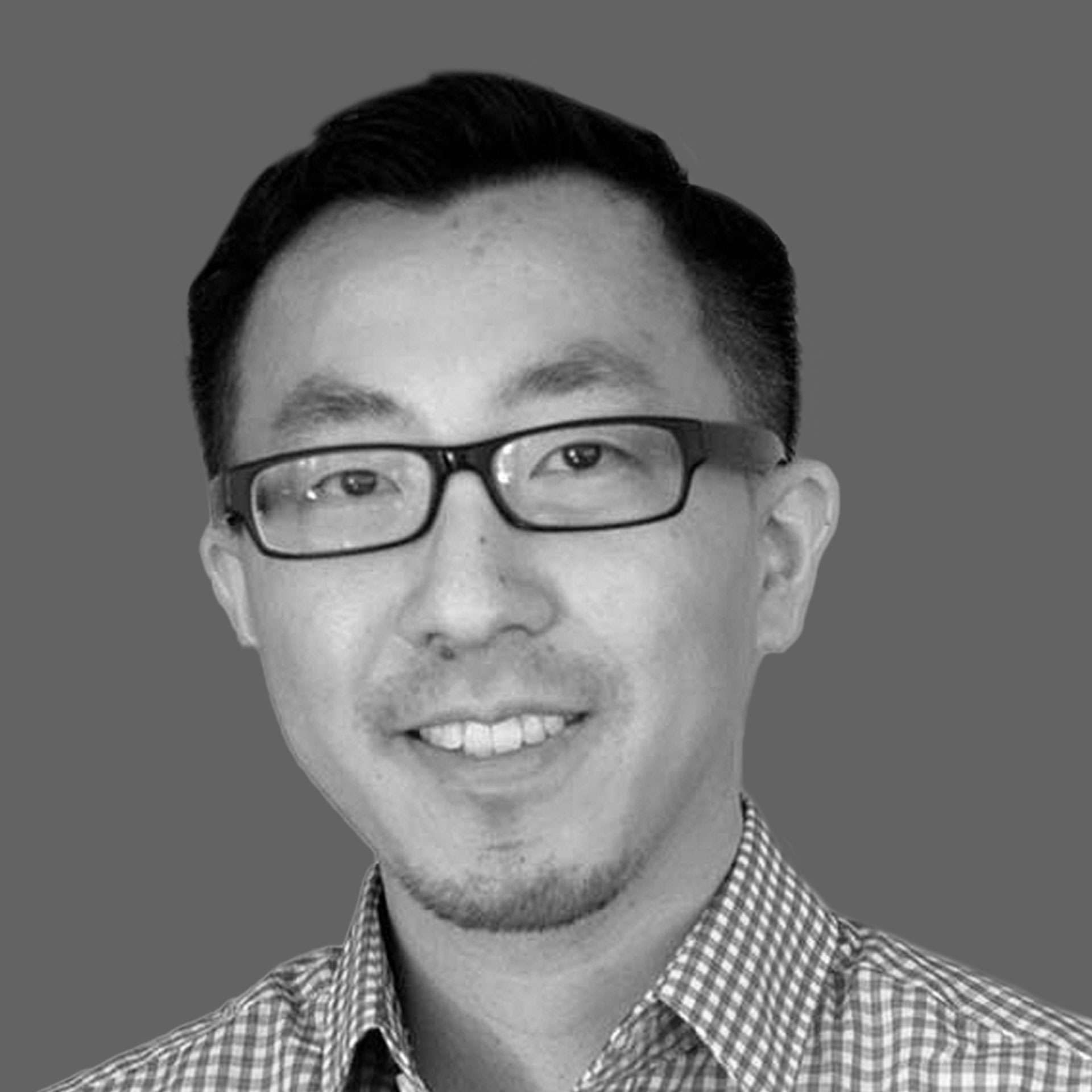
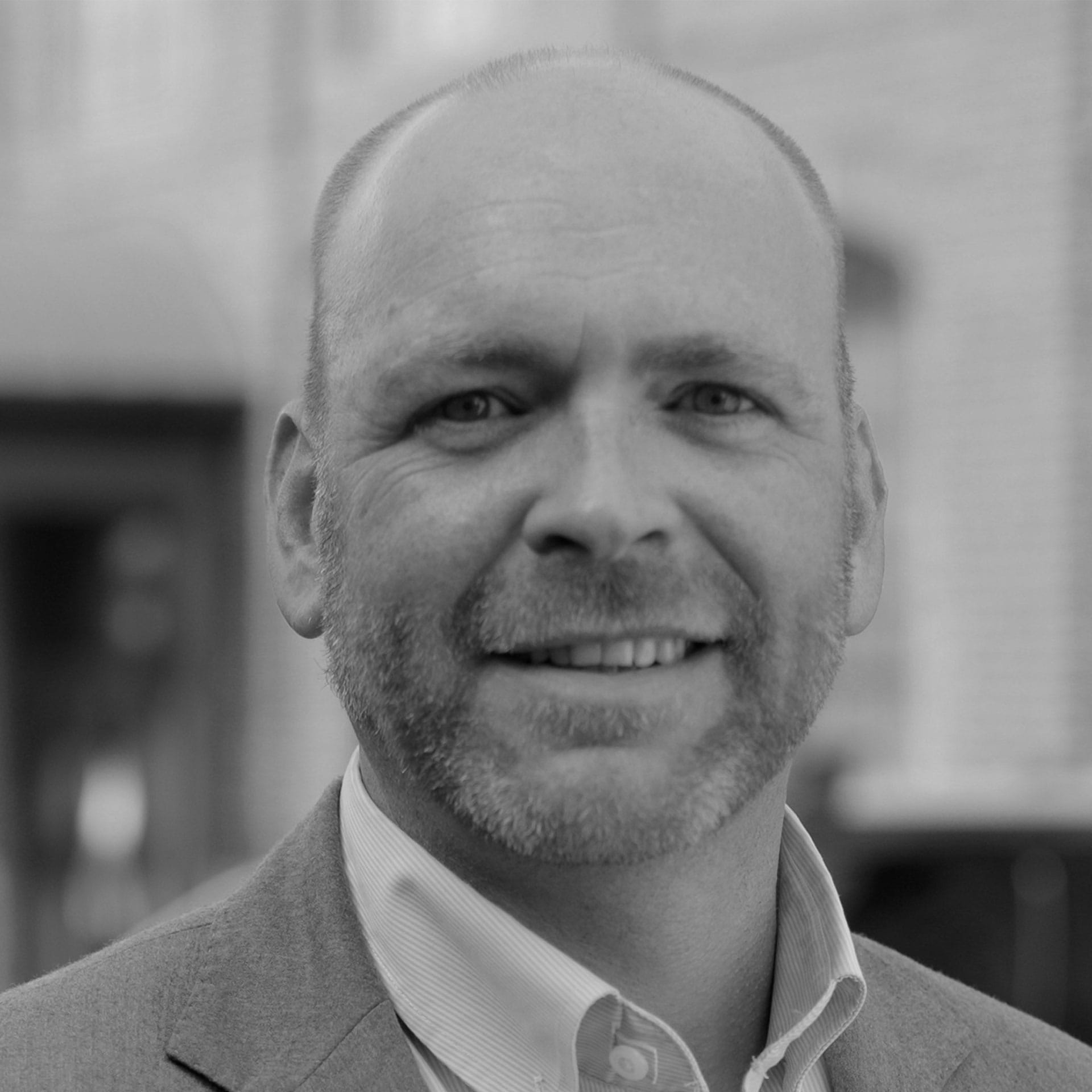
Chris Moeller is the founder and principal of Orion Growth, a workplace consulting firm that works mainly with portfolio clients who have multiple office locations and distributed workforces across the United States. His team helps with workplace projects from specification through management and delivery, and has added virtual and hybrid tenancy services. Connect with him on LinkedIn, or follow host Jack Ossa on LinkedIn.