

Introduction
Christopher LaPata, Associate Principal at Walter P Moore, joins Jack Ossa on The Power of Design Podcast to talk about what happens to buildings after they are built. He leads commercial real estate initiatives in the firm's diagnostics practice, which helps owners understand risks and opportunities in existing structures. The two also talk about sales as service, adaptive reuse, the changing office market and how AI is entering design workflows.
Chris comes to engineering after years in furniture, architecture and corporate real estate, which gives him an unusual view of the design industry from both the vendor and the owner side.
About the Episode
Chris grew up near Chicago in a large Italian family, worked for Steelcase leading sales and marketing toward architects and designers, opened the Charlotte office of BHDP Architecture as its first employee and then spent several years inside Charter Communications' corporate real estate group, rewriting workplace design guidelines. For almost a year he has been at Walter P Moore, a global engineering firm founded in 1933 and headquartered in Houston, where he leads the commercial real estate segment of the diagnostics team.
The conversation explains what that means in practice: enclosure, roof and parking deck assessments, sustainability studies, structural reinforcement and forensic work. Chris describes his recent travel to talk with brokers and property managers, who tell him Class A space leases easily while Class B space needs help to compete. Jack, whose firm does a lot of interior work in existing buildings, compares notes on older structures, hidden surprises and why adaptive reuse can be the most sustainable choice.
They discuss why selling is a form of service built on empathy and trust, how Jack's podcast helps people get to know him before they meet, and how corporate offices converting to medical use raise questions about loads, power and air. The last third focuses on AI: Jack's use of language models for renderings, drawing coordination and RFP responses, and the need to keep a human reviewing every output. They end by exchanging lessons from starting a business and a podcast.
Key Takeaways
- Sales starts with empathy: understanding the client's challenge leads to better questions, and people can tell when interest is not genuine.
- Trust needs delivery: you may win a first project on relationships, but a second one depends on delivering.
- Existing buildings are living things: they shift, and their enclosures, roofs and decks need ongoing assessment to protect owners from risk.
- Class B needs a reason to compete: owners weigh exterior upgrades against amenities, and location is usually the first criterion.
- Adaptive reuse needs incentives: reusing a structure avoids landfill, but pro formas and surprises make it difficult without public support.
- Check feasibility before converting: turning offices into medical space can require study of loads for equipment such as an MRI, plus power and air.
- AI is a tool with a reviewer: it can check drawing coordination, prepare RFP responses and generate renderings, but people must verify the result.
Highlights from the Conversation
If you don't demonstrate that empathy people can tell that you're not genuine and you're not authentic.
Christopher LaPata
Class A space has no trouble getting leased.
Christopher LaPata
There is nothing more sustainable than just reusing a building for a new purpose.
Jack Ossa
Topics Discussed
- Career path from Steelcase to BHDP to Walter P Moore
- Workplace design and the role of furniture
- Selling as helping a client reach their goals
- Building diagnostics, forensics and asset management
- Class A versus Class B office space
- Adaptive reuse and incentives
- Converting offices to medical use and parking decks to new uses
- Using AI for renderings, coordination and RFPs
Why This Conversation Matters
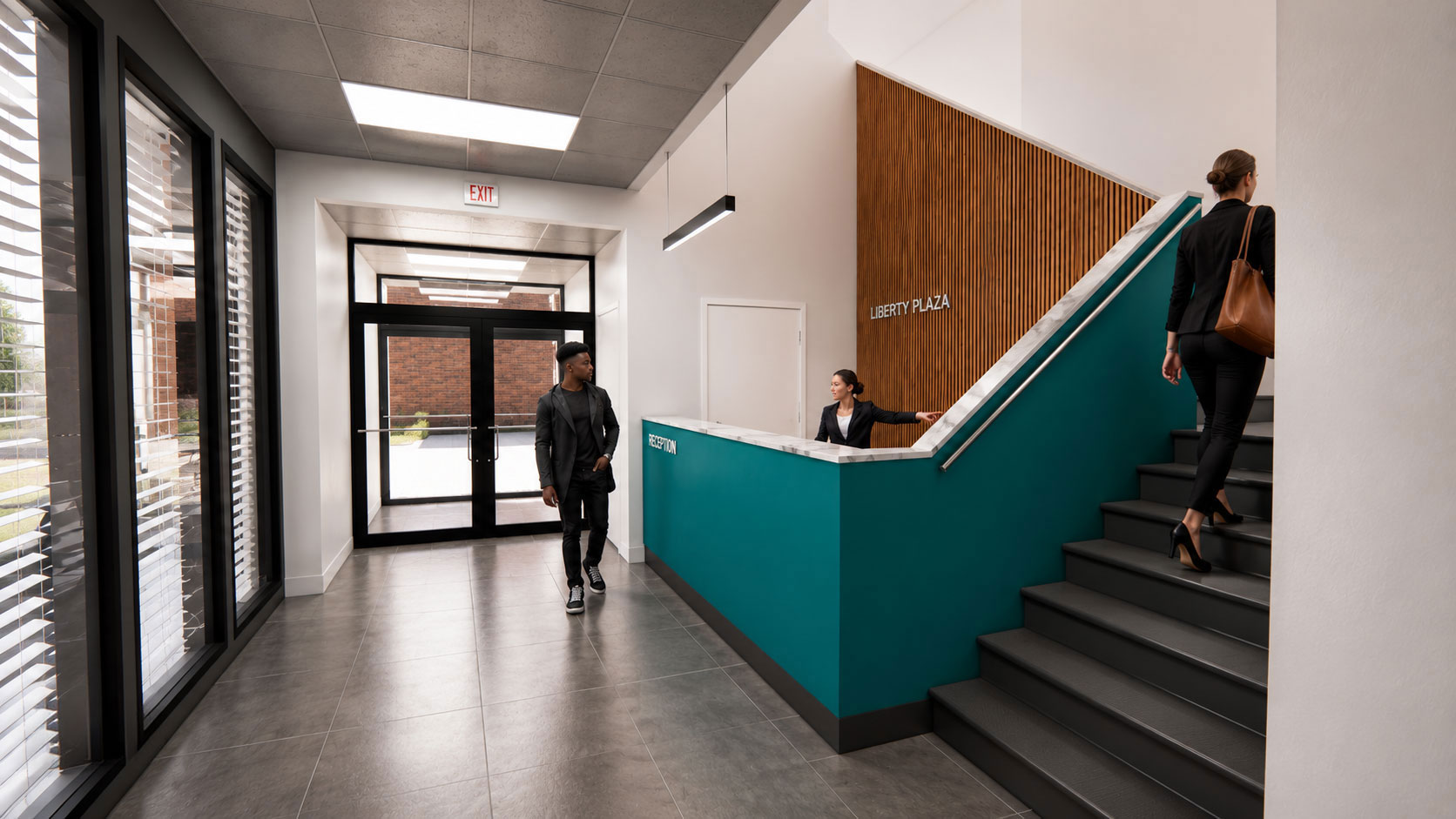
Most of the buildings we will use in the next decades already exist, so understanding their structure, enclosure and potential is as important as designing new ones. The episode connects engineering diagnostics with the design decisions behind repositioning, a topic that shapes much of our interior architecture and architecture work, for example Liberty Plaza and Coliseum Drive. It also gives a candid look at where AI already helps design teams.
About the Guest
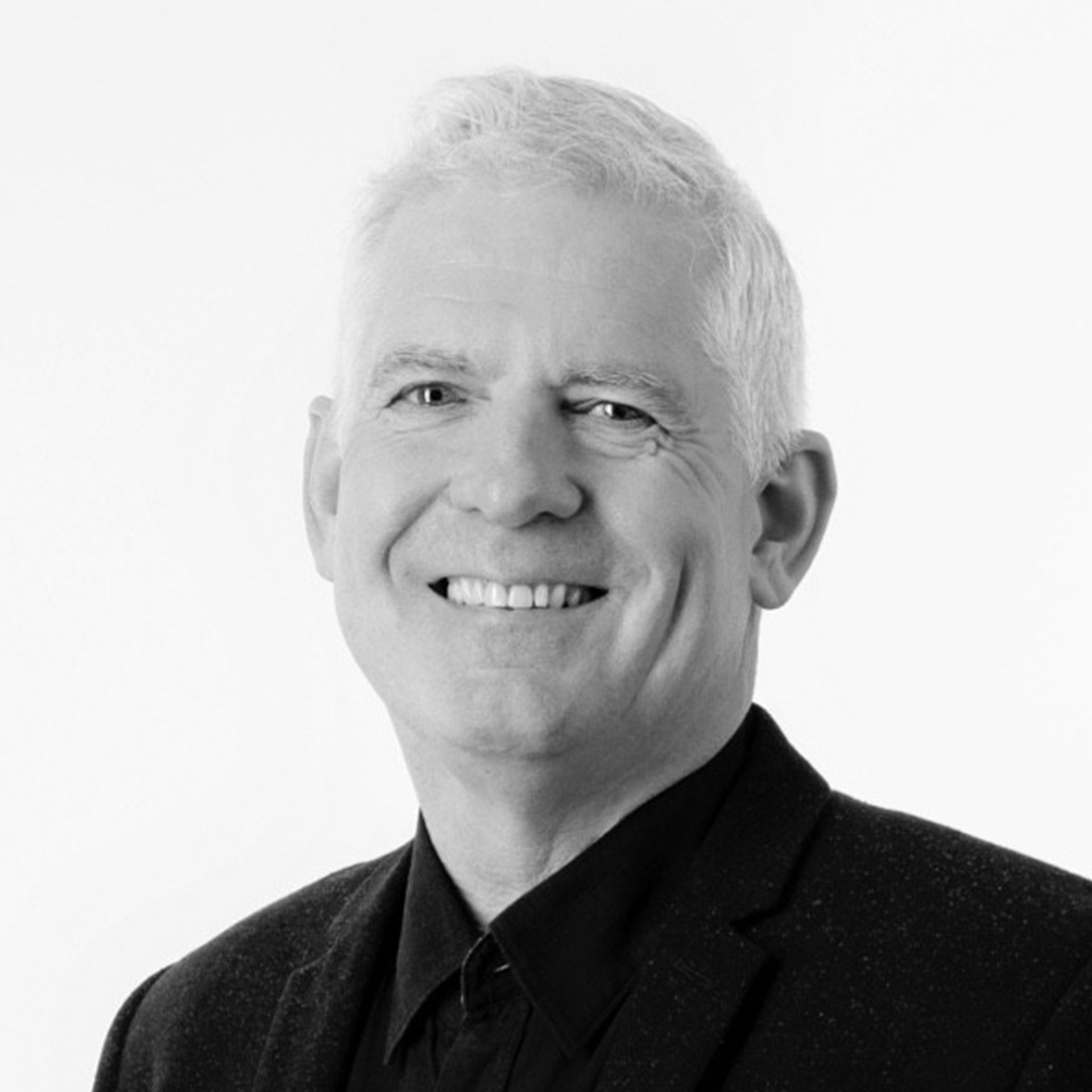
Christopher LaPata is Associate Principal at Walter P Moore, where he leads commercial real estate initiatives within the diagnostics practice. He previously worked at Steelcase, BHDP Architecture and Charter Communications, and has lived and worked in England and Singapore. He is active in several commercial real estate organizations in Charlotte. Connect with him on LinkedIn or learn about his firm at walterpmoore.com.