

Introduction
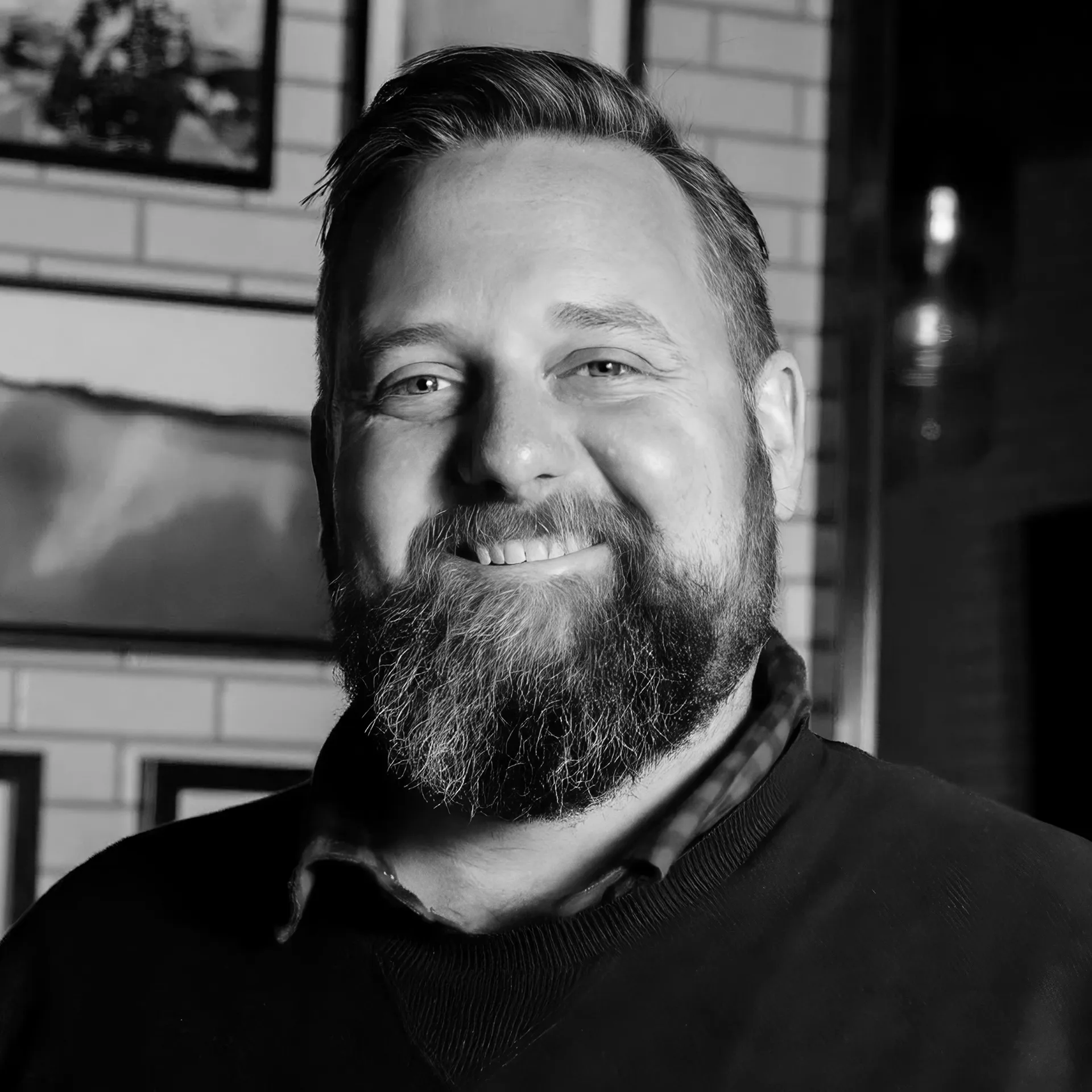
Clayton Sealey is a creative thinker, marketer and designer who grew the Instagram account CLT Development to more than 12,000 followers by covering urban design and development in Charlotte, North Carolina. In this episode of The Power of Design Podcast, he talks with host Jack Ossa about why people should pay attention to the built environment and how digital media can bring more of them into the conversation about their city.
The discussion moves between city design, Clayton's path from Charlotte to Savannah and New York and back, and the practical side of using social media to build relationships.
About the Episode
Clayton explains that the built environment shapes daily life: where we go, eat, drink, work and learn. When he started writing about Charlotte, he focused on buildings. Over time he became as interested in what connects them, such as parks, transit and open space, because weaving those pieces together is what makes a city. He and Jack discuss places that have impressive towers but little sense of place, and the idea that a city is the space between buildings. They also talk about Hudson Yards and why architecture should be something people can interact with, not only admire.
Clayton describes studying at Savannah College of Art and Design with the goal of becoming an architect, then moving into advertising and branding. He and his wife moved to New York, where he worked across publishing, advertising, apparel design and experiential advertising, and returned to Charlotte during the pandemic. He says his appreciation for cities began on trips to China as a teenager, and that learning New York's subway taught him how designers can make complexity simple.
On digital marketing, Clayton says the key is to be a person, not a company: establish a voice, share specific and intentional information, and keep learning. Jack and Clayton also discuss the difference between architecture and formula-driven building, and how the pandemic may push design toward outdoor space.
Key Takeaways
- The built environment shapes us: daily habits depend on how we interact with the places around us, so improving those places improves our lives.
- Connect the pieces: parks, transit and open space matter as much as buildings, because a city is what is woven between them.
- Be a person online: social media works when it has a personality and voice instead of a corporate tone.
- Keep learning and pivoting: Clayton taught himself animation, 3D design and web development to keep his content current.
- Technology can add humanity: video calls and free platforms let him meet far more people than in-person networking alone.
- Be intentional with design: buildings last for decades, so decisions made by formula can cost the people who use them for years.
- Expect more outdoor space: Clayton expects the pandemic to bring more public parks and green space into design.
Highlights from the Conversation
The built environment is everything that's around us and everything that's within us.
Clayton Sealey
You don't want to be seen as a business, you want to be seen as a person.
Clayton Sealey
I think digital marketing is just really about being yourself and then making good content.
Clayton Sealey
Topics Discussed
- Why the built environment matters in everyday life
- The space between buildings and the sense of place
- Growing a niche Instagram account about Charlotte
- Branding, voice and personality on social media
- Lessons from living in New York
- Networking over video during the pandemic
- Architecture versus formula-driven development
- Outdoor space and the future of design
Why This Conversation Matters
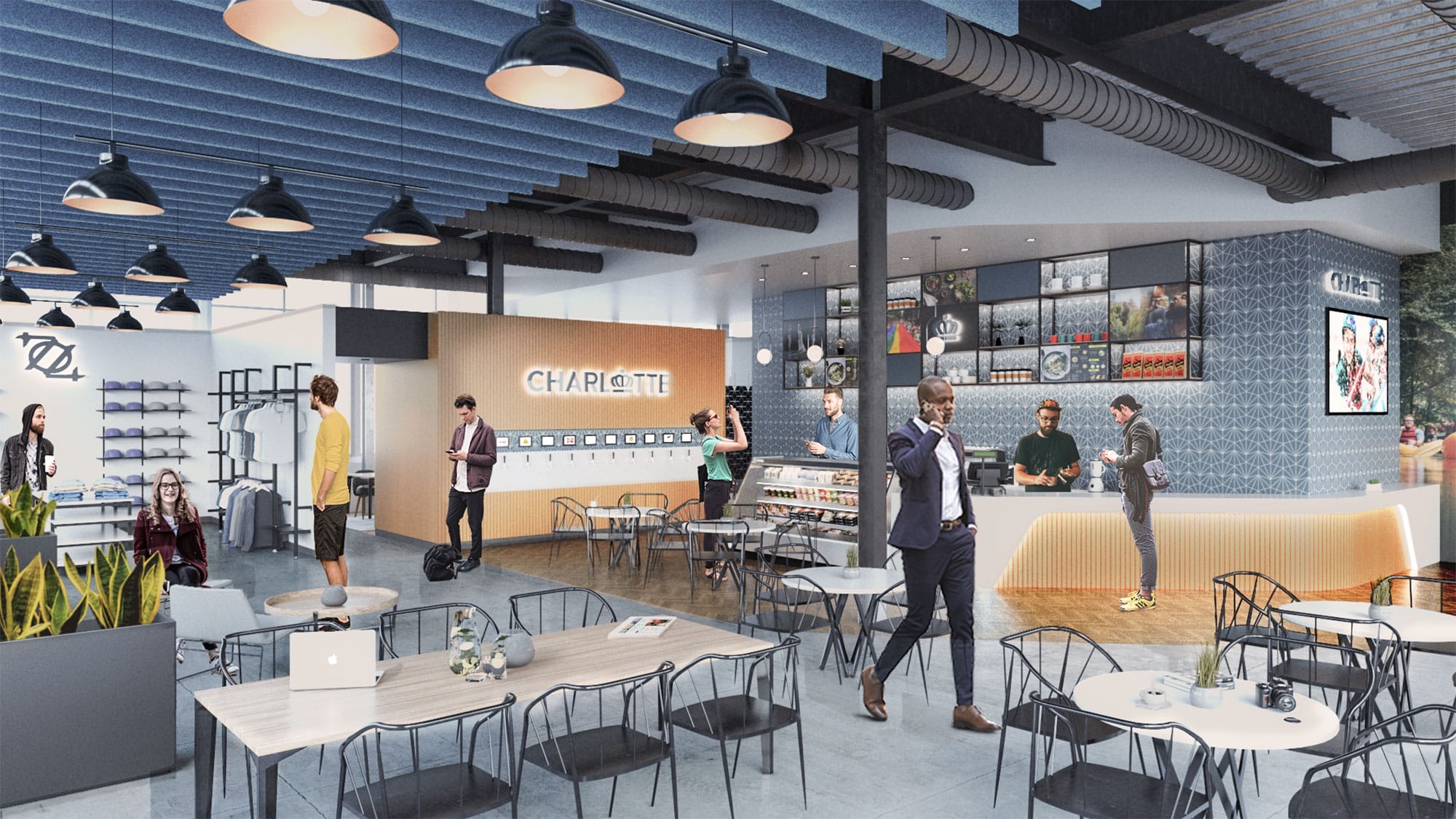
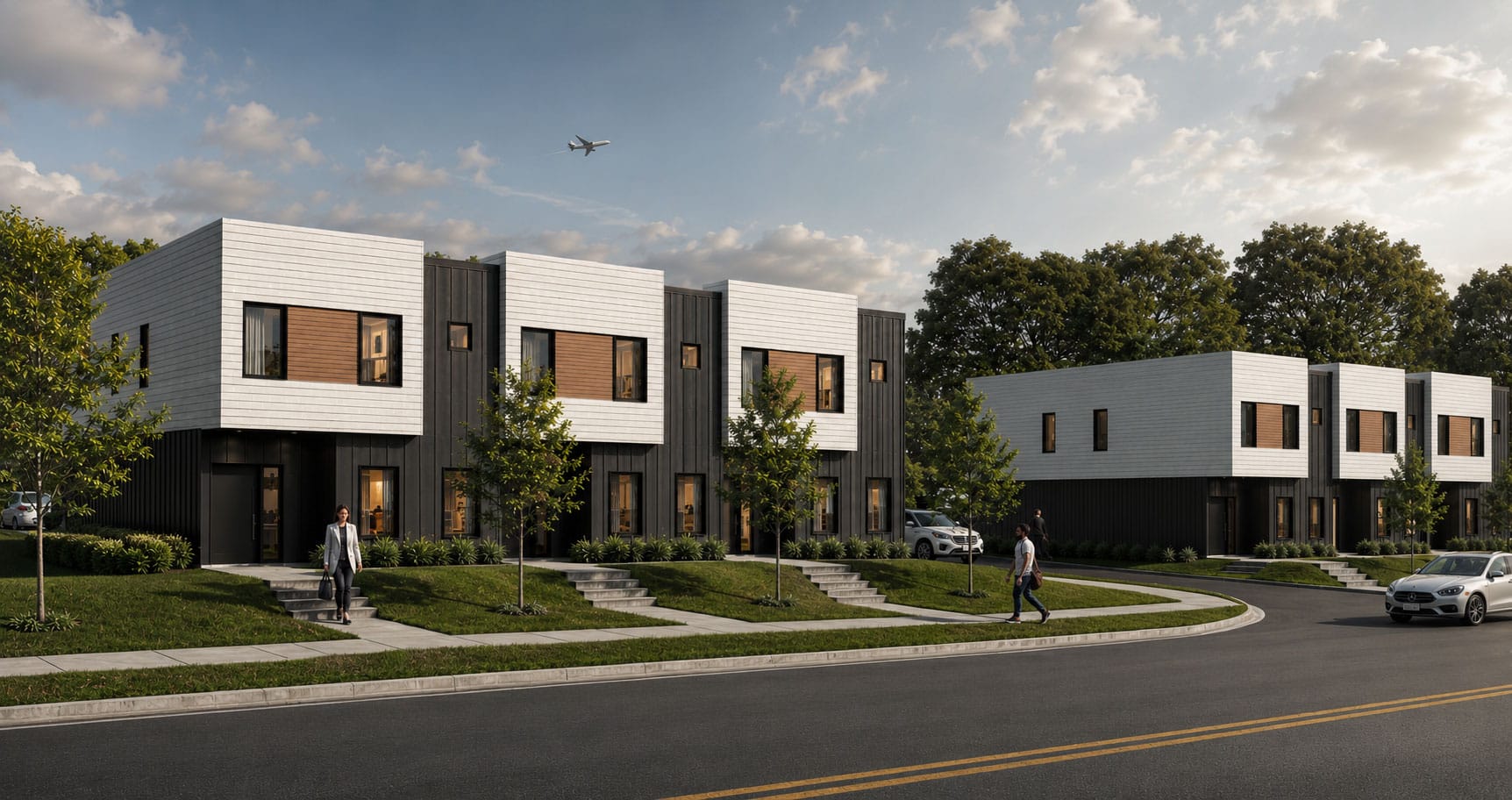
For architects, developers and brand builders, this episode shows how storytelling can make design visible to the public. It also supports a point we make in our architecture work: buildings should be considered together with the people and places around them, as in projects such as the Charlotte Visitor Center and the Metric Townhomes. For companies thinking about voice and presence online, Clayton's advice connects to branding: a clear personality builds more trust than a polished but anonymous message.
About the Guest
Clayton Sealey is a creative thinker, marketer and designer connected to Southwood Corporation and the founder of CLT Development, an Instagram account about urban design, real estate and construction in Charlotte. He grew up in Charlotte, studied at Savannah College of Art and Design, and worked in advertising, publishing and design in New York before moving back to North Carolina. He also writes about Charlotte's growth.
Connect with Clayton Sealey on LinkedIn
Follow CLT Development on Instagram