
Introduction
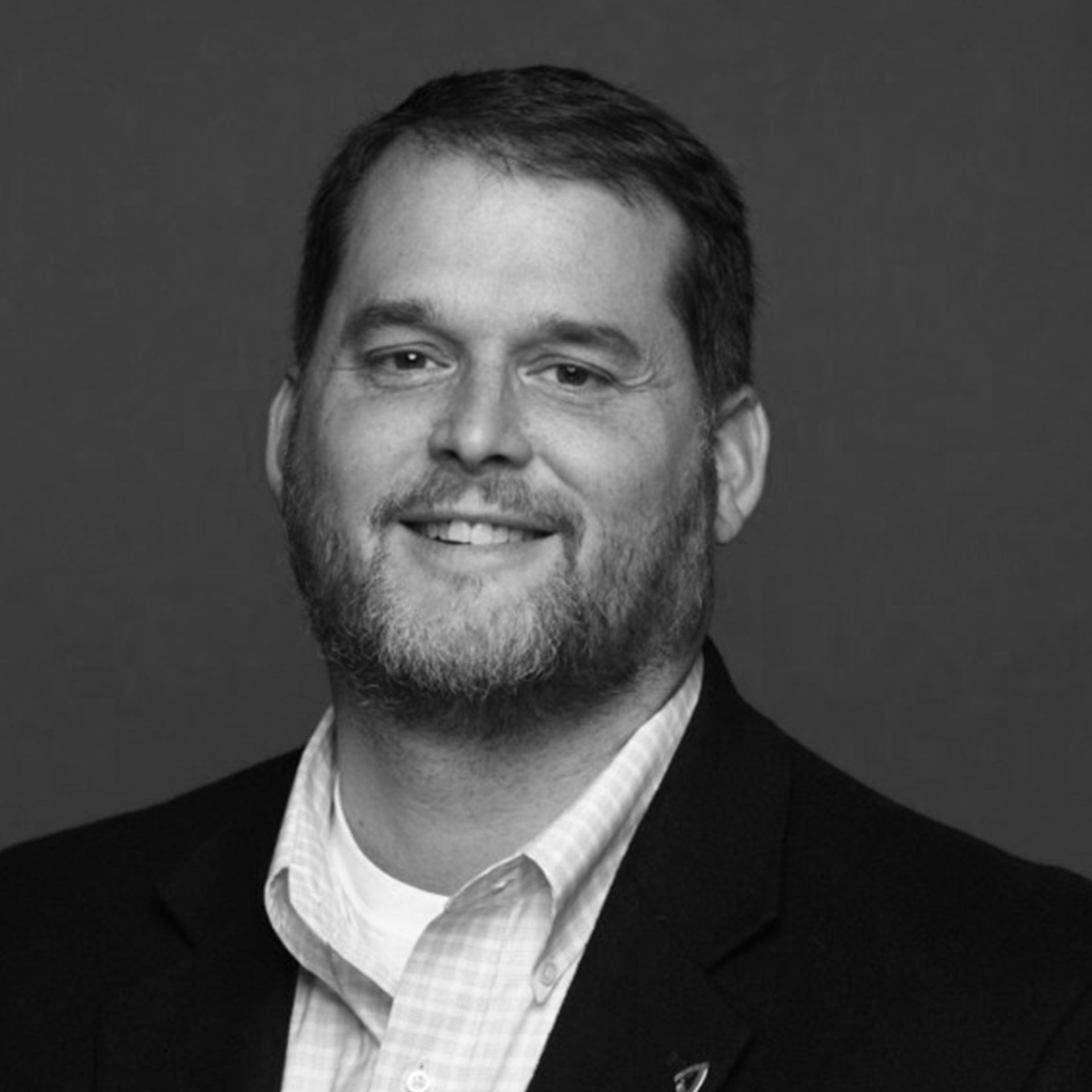
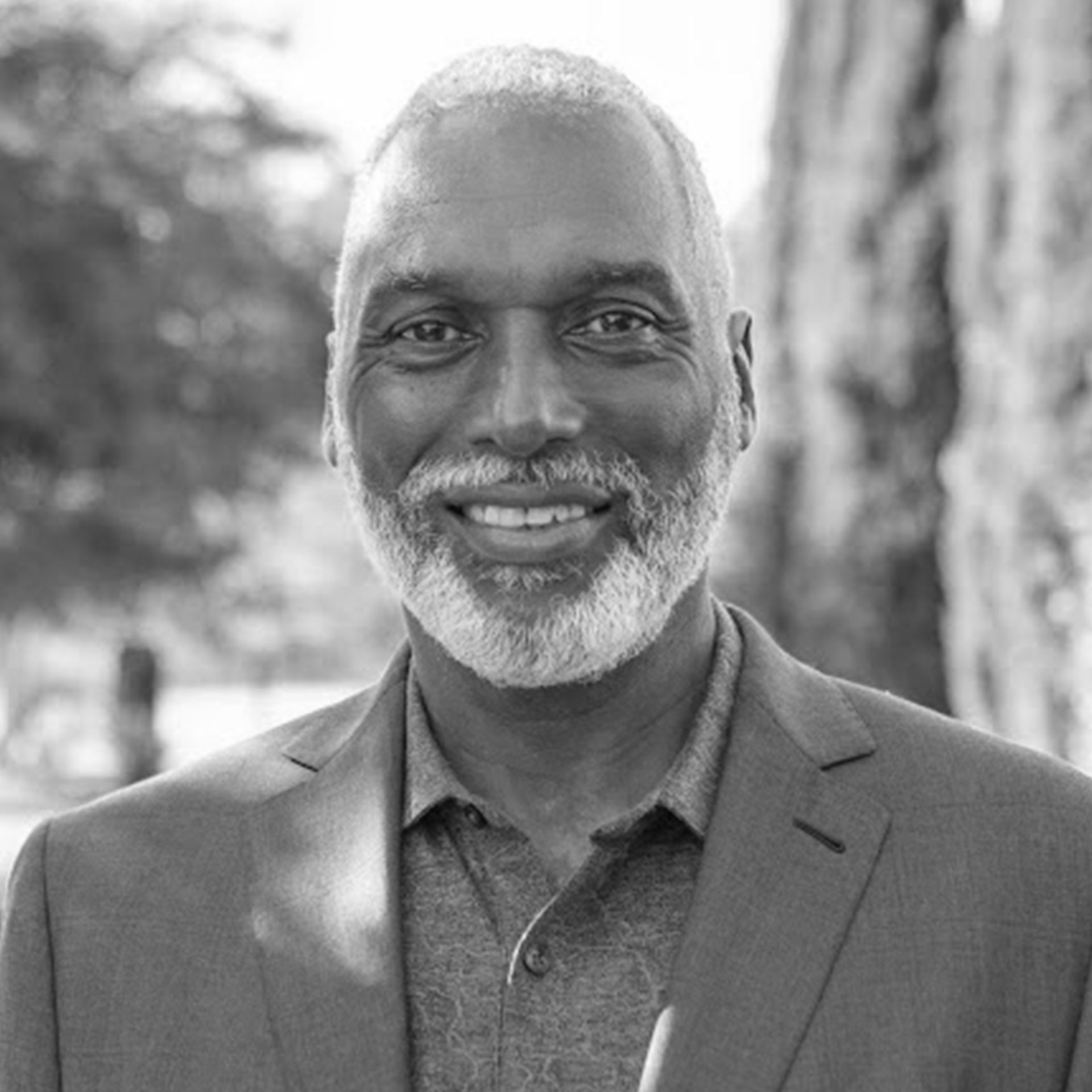
Darrel Williams, founding partner of Neighboring Concepts, tells Jack Ossa how a boy from Baton Rouge who had not planned to attend college became an architect, a county commissioner and the leader of a Charlotte firm focused on communities. Neighboring Concepts works on urban planning, housing, transit, schools and healthcare, and Darrel is a Fellow of the American Institute of Architects.
The conversation follows his education, his first jobs, why he started a firm to plan neighborhoods, how it grew, and what he would tell a young firm that is trying to gain traction.
About the Episode
Darrel explains that his passion for architecture comes from where he grew up. He saw the profession for the first time at the architecture studio of a young man from his neighborhood and realized that the art, drafting and construction he knew fit together. He worked extra hard to catch up academically, held jobs in several cities before graduating and, early in his career, moved between firms until he found work that taught him the whole profession, from programming through construction administration.
A job at a firm led by Charlotte's first African-American mayor encouraged community involvement, and Darrel later ran for county commission and served for eight years. The neighborhoods he represented resembled the one he grew up in, and he wanted to do more as an architect than design buildings. With two friends he began creating plans for neighborhoods, starting in the Third Ward, and engaged residents in every decision.
He describes how the firm grew into transit stations, housing and master plans, then into schools and healthcare through teaming with specialists. He also gives his view on technology, the role of the architect when tools can do more of the drawing, and the volatility of construction prices.
Key Takeaways
- Potential comes before preparation: Darrel closed a gap in his schooling by working harder than his classmates once he saw what he could do.
- Learn the whole process: he wanted to be an architect who could design and also produce the drawings needed to build, rather than hand off the work.
- Plans belong to communities: residents who help shape a plan take ownership of it.
- Architects have more to offer: serving on boards and committees, and in public office, puts design thinking to work in civic decisions.
- Team to learn new building types: the firm entered healthcare, schools and transit by partnering with specialists and not pretending to know what it did not.
- Diversity improves projects: people of different backgrounds, ages and experiences make a better project.
- Plan the size you want: decide whether you want to be ten or a hundred people and plan how to get there.
Highlights from the Conversation
It wasn't because I was smarter than everyone, it's because I realized I had potential, and I just worked harder than everyone else.
Darrel Williams
If they were involved in developing those plans, then they have ownership in it, and they're going to make sure it happens whether we're there or not.
Darrel Williams
People see you as being genuine and caring and compassionate and you have integrity. I mean, it goes a long way.
Darrel Williams
Topics Discussed
- Discovering architecture and catching up in school
- Early jobs, firm hopping and finding the right experience
- Community involvement and serving as county commissioner
- Founding a firm to plan neighborhoods
- Transit, affordable housing and master planning
- Moving into schools and healthcare by teaming with experts
- Technology and the role of the architect
- Volatile construction costs and advice for growing a firm
Why This Conversation Matters
Darrel treats architecture as a way to improve communities, which is a useful lens for any project that serves people, from housing to schools to clinics. Our architecture and interior architecture practices approach projects the same way, as seen in the educational spaces of Melmark Carolinas and the townhome development Metric Townhomes. His advice on teaming, honesty and engaging the people who will use a place applies to firms of any size.
About the Guest
Darrel Williams is the founding partner and owner of Neighboring Concepts, an architecture and planning firm in Charlotte, North Carolina with about 20 people, committed to thoughtful, sustainable urban planning and responsible design. A graduate of Southern University in Baton Rouge, he is a Fellow of the American Institute of Architects, served on the Mecklenburg County Board of Commissioners for eight years, and has worked on transit, housing, university master plans, schools and healthcare projects around Charlotte.
🔗 Connect with Neighboring Concepts