

Introduction
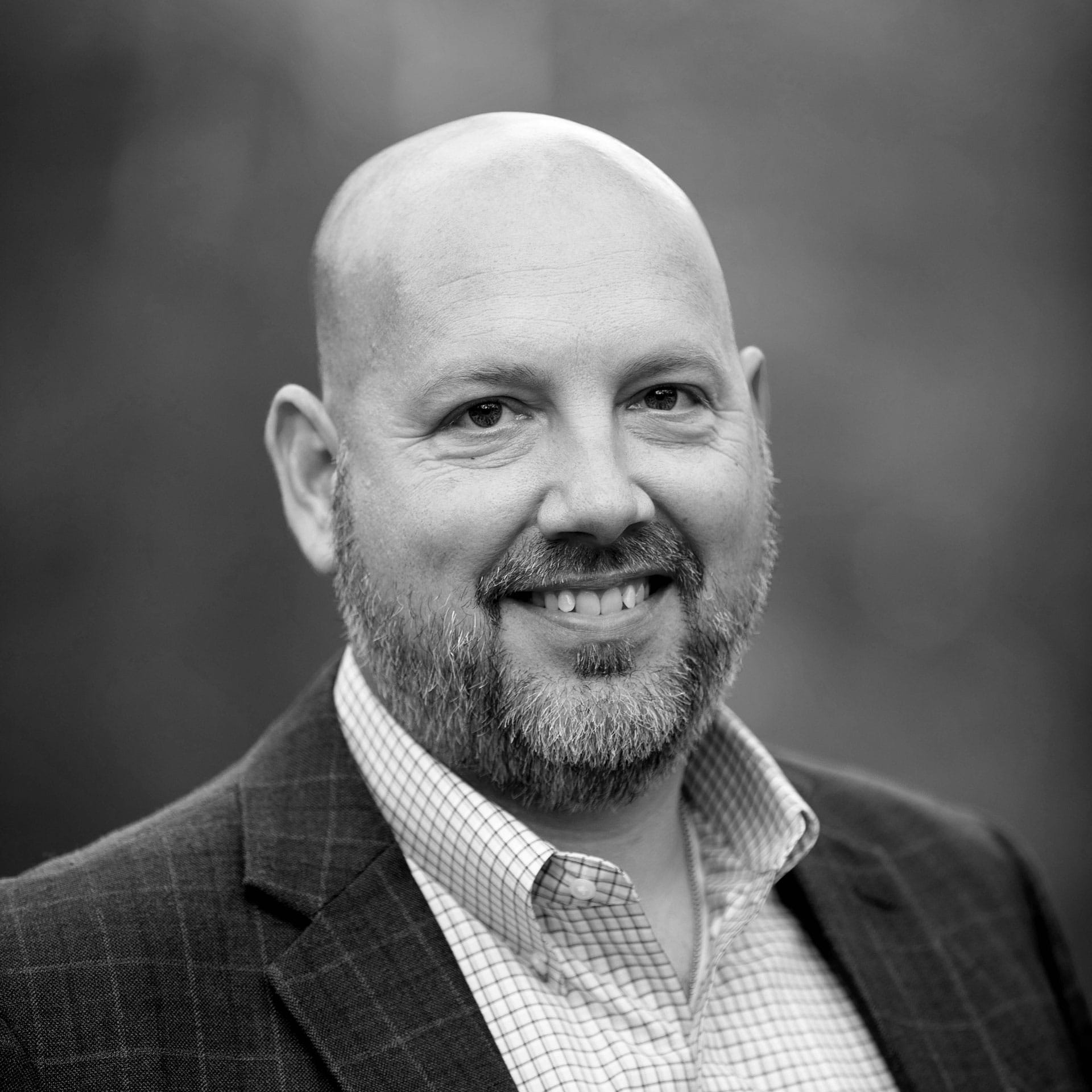
David Dial, CEO of Facet Development, joins Jack Ossa on The Power of Design Podcast. David is an architect, artist and designer with more than 35 years of experience leading people and projects, with over 400 buildings behind him. Today he is a developer, architect and contractor within his own firm.
The two met through LinkedIn over a shared interest in design thinking. In this conversation they talk about what architecture is for, why the industry separates design from construction, and what happens when one team holds all the roles.
About the Episode
David says he wanted to be an architect from age six. He started working at 16 for a design-build architect in a small town, building on his crew and doing renderings in the evenings, then studied at the Savannah College of Art and Design. He worked in progressively bigger firms, led staffs of up to 50 people and worked on projects around the world. He moved to Charlotte in the late 1990s to run an office for another firm and started his own practice at 28 or 29, which he ran for 20 years.
He explains why he turned to design thinking, the Stanford approach that starts from the end user, and how it changed the questions he asks. He also describes the move from architect to general contractor and small-scale developer: after clients asked what the highest and best use of their property was, he wanted one team that could answer the design, cost and investment questions together.
The second half covers the history behind that choice, the role of the architect as the one who gets a building built, and why labels often get in the way. David and Jack also compare architecture and branding, discuss storyboarding a building for clients, and talk about making clients feel understood.
Key Takeaways
- Design for the end user: David focuses on what represents the client's point of view, not his own, and on defining the problem before solving it.
- Price early: holding the architect, contractor and developer roles lets him estimate from a concept and compare options before the drawings are complete.
- Silos waste information: keeping design and construction far apart loses ideas and money; he calls this a result of postwar bidding and liability rules.
- Know your role: an architect may be the set designer, not the director, and owning a design is different from owning the project.
- Avoid labels: job titles and style names describe vocabulary, not what a person or project can do.
- Tell the story: storyboarding a building, borrowed from animation, explains how it will work without architecture jargon.
- Feeling understood sells: clients buy when they feel understood, which applies to architecture and branding alike.
Highlights from the Conversation
The Undertaker was an architect, he was the Undertaker of the project, and their job and role was defined as they were responsible for getting the building built.
David Dial
When you can literally start pricing something from a concept, you can compare concepts faster.
David Dial
People don't buy when they understand, they buy when they feel understood.
David Dial
Topics Discussed
- Becoming an architect and learning on a construction crew
- Art, design and the difference between them
- Design thinking and designing for the end user
- Combining architect, general contractor and developer roles
- Highest and best use of a client's property
- The history of the architect as the Undertaker
- Why labels limit people and projects
- Architecture, branding and storytelling
Why This Conversation Matters
David's view that design, cost and use should be considered together is useful for anyone planning a building or a renovation. At Ossa Studio we also work from the client's goals outward, whether through architecture, interior architecture or branding. Examples include the repositioning of Coliseum Drive, where the question was how to get more from an existing building, and the Metric Townhomes development.
About the Guest
David Dial is the CEO of Facet Development and a creative, design-minded architect, artist and designer with more than 35 years of experience. He studied at the Savannah College of Art and Design, worked in firms of increasing size, started his own practice in Charlotte, and now works as developer, architect and general contractor in one firm. He says he has worked on over 400 buildings.