
Introduction
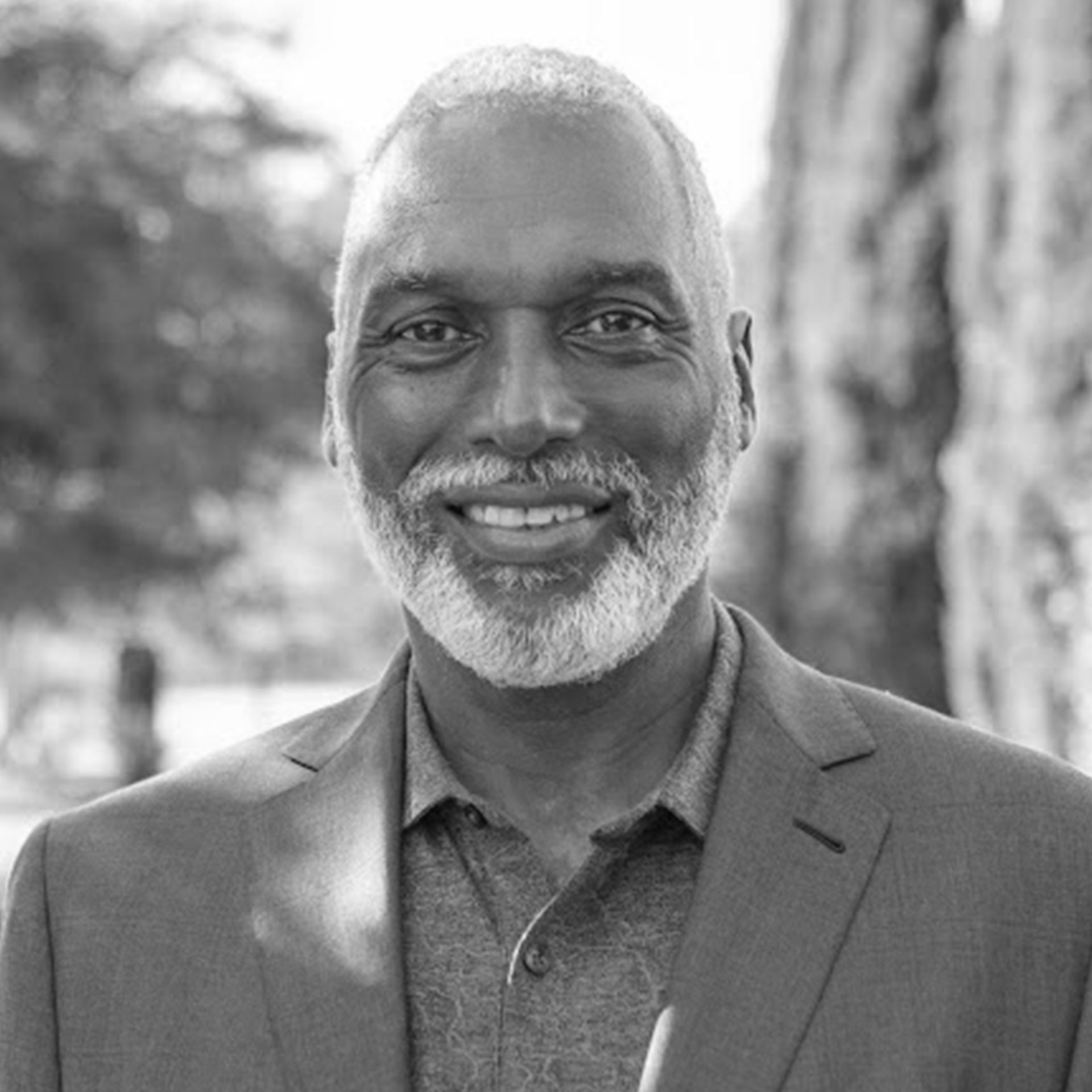
Demetri Baches, founder of the strategic planning and urban design consultancy Metrocology, talks with Jack Ossa about what makes cities work. With more than 30 years of experience in urban design and development in the United States and abroad, he explains why he believes walkability underlies everything else.
The conversation follows his path from a bartending job to zoning administrator in a small town, through decades with an international urban design firm and offices in Asia, to his current projects, including a master plan for an island nation relocating to higher ground.
About the Episode
Demetri describes how growing up between North Carolina and Florida, and traveling to Greece to see family, taught him to notice how different places feel. He distinguishes standard of living, measured in possessions, from quality of life, measured in how people live in a place, and says his own view of what is ahead for American cities came from seeing older cities abroad.
His career began in the town of Belmont, North Carolina, where a master plan from an urban design firm changed how he saw the field. He set up a planning department, helped implement the downtown plan and led the writing of a form-based zoning ordinance for an existing town. That work led to about 20 years with the firm, first in the United States and then in Asia, where cities were growing in a few years and he had to adapt quickly.
Back in the United States, he started Metrocology to work with communities and developers. He discusses the Nauru master plan, the role of data and visuals in planning, the legacy of copied zoning rules, Charlotte's recent planning debates, and what an ideal city looks like.
Key Takeaways
- Walkability comes first: a good walking environment supports sustainability, resilience and a feeling of care for a place.
- Quality of life differs from standard of living: one is about possessions, the other about how you live in a place.
- Administration and design go together: to change places, you need to understand procedures and public outreach as well as drawing.
- Listen first: spend time with the people who live in a place before presenting solutions, because without their buy-in nothing happens.
- Show, do not only write: modern zoning documents use diagrams and views so people understand what the text will produce.
- Rethink legacy policies: many zoning, public works and transportation standards were copied from the past and were meant to count things, not create places.
- Combine great private and public realms: the best places pair good housing with a good outdoor civic room.
Highlights from the Conversation
It boils down to one simple thing, which is walkability.
Demetri Baches
The mentality you have to take, which is to stop, listen and look first, and then interject your ideas and thoughts based on what you hear from the people that you're hired by.
Demetri Baches
When we were our poorest, we built the most amazing buildings.
Demetri Baches
Topics Discussed
- Walkability and the case for traditional urbanism
- Standard of living compared with quality of life
- Becoming a zoning administrator and learning on the job
- The Belmont downtown plan and form-based zoning
- Urban design work in Asia
- Master planning for the island nation of Nauru
- Data, technology and visual communication
- Legacy zoning rules and what an ideal city looks like
Why This Conversation Matters
Demetri's emphasis on walkable, mixed and human-scale places is relevant to every building we design. Projects like the townhome community Metric Townhomes belong to larger neighborhoods, and our architecture and interior architecture teams also reuse and reposition existing buildings, such as Hedgemore Flex, so they keep adding life to the city around them.
About the Guest
Demetri Baches is the founder and managing partner of Metrocology, a strategic planning, urban design and development consulting firm. He has more than 30 years of experience on multidisciplinary planning projects in the United States and internationally, studied geography and business, began his career as a zoning administrator in Belmont, North Carolina and worked for about 20 years with an international urban design firm, where he became a director and opened its first Asia office. He now works from Savannah, Georgia.