

Introduction
Jerri Tuck, a project manager and managing director at Savills in Charlotte, talks with Jack Ossa about motivation, construction tolerances and design mistakes. Jerri manages complex projects and tenant improvements for corporate, healthcare and industrial clients, and Jack describes her as equally effective on a construction site and in a room full of executives.
The conversation follows her path from architecture school to construction management, from the contractor's side to the owner's side, and what she has learned about getting designers and builders to work toward the same result.
About the Episode
Jerri explains that she began in architecture at Clemson, worried she would spend years detailing toilet partitions and moved to construction management. She started her career during a recession, worked in health care and educational construction and moved up to project manager. Without site experience, she learned by asking the foremen of each subcontractor to walk her through the work. That left her with a particular strength in mechanical systems.
She later moved to the owner's side, where she saw how much an owner's representative does, from early planning to the final artwork. She credits a mentor for teaching her to look after the client's best interest and to be fair. Jerri has spent nearly a decade at her current firm, where she says she is constantly pushed to raise the bar.
Jack and Jerri then compare how architects and contractors see a project, why technology should free time for relationship management rather than replace field judgment, and what young professionals should do early in their careers. Jerri also notes that clients now ask what will make people want to come to work.
Key Takeaways
- Learn from the people who build: asking foremen to explain their work taught Jerri more than school did.
- The owner's rep covers a lot: from early inception to the artwork at the end, with the client usually the team member who knows the least.
- Balance two pulls: a designer pushes for the best design while a contractor pushes for the simplest, cost-effective way; the project manager brings them together.
- Architects need budget awareness: lack of knowledge of construction and cost is the most common frustration she sees.
- Contractors need design awareness: small details determine the overall elegance of a building.
- Technology should free time: a photo-based punch list app saves time that can go to relationships, as long as hands-on judgment stays.
- Go to the field: you cannot learn from a screen how a duct, a beam and a column fit together.
Highlights from the Conversation
My advice would be to do whatever it takes and that's your job description.
Jerri Tuck
Contractors need to understand quality and design more and understand why that little detail is so important to the overall success of the design.
Jerri Tuck
You've got a designer that is pushing for the highest and best design and you've got a contractor pushing for maybe the least complicated most cost-effective way of doing something.
Jerri Tuck
Topics Discussed
- Motivation and enjoying a project with a beginning and an end
- Moving from architecture to construction management
- Learning construction from foremen and subcontractors
- Contractor side versus owner's representative
- Balancing designers and contractors
- Dimensions, tolerances and what drawings miss
- Technology, BIM and field tools
- Attracting talent and experience-driven workplaces
Why This Conversation Matters
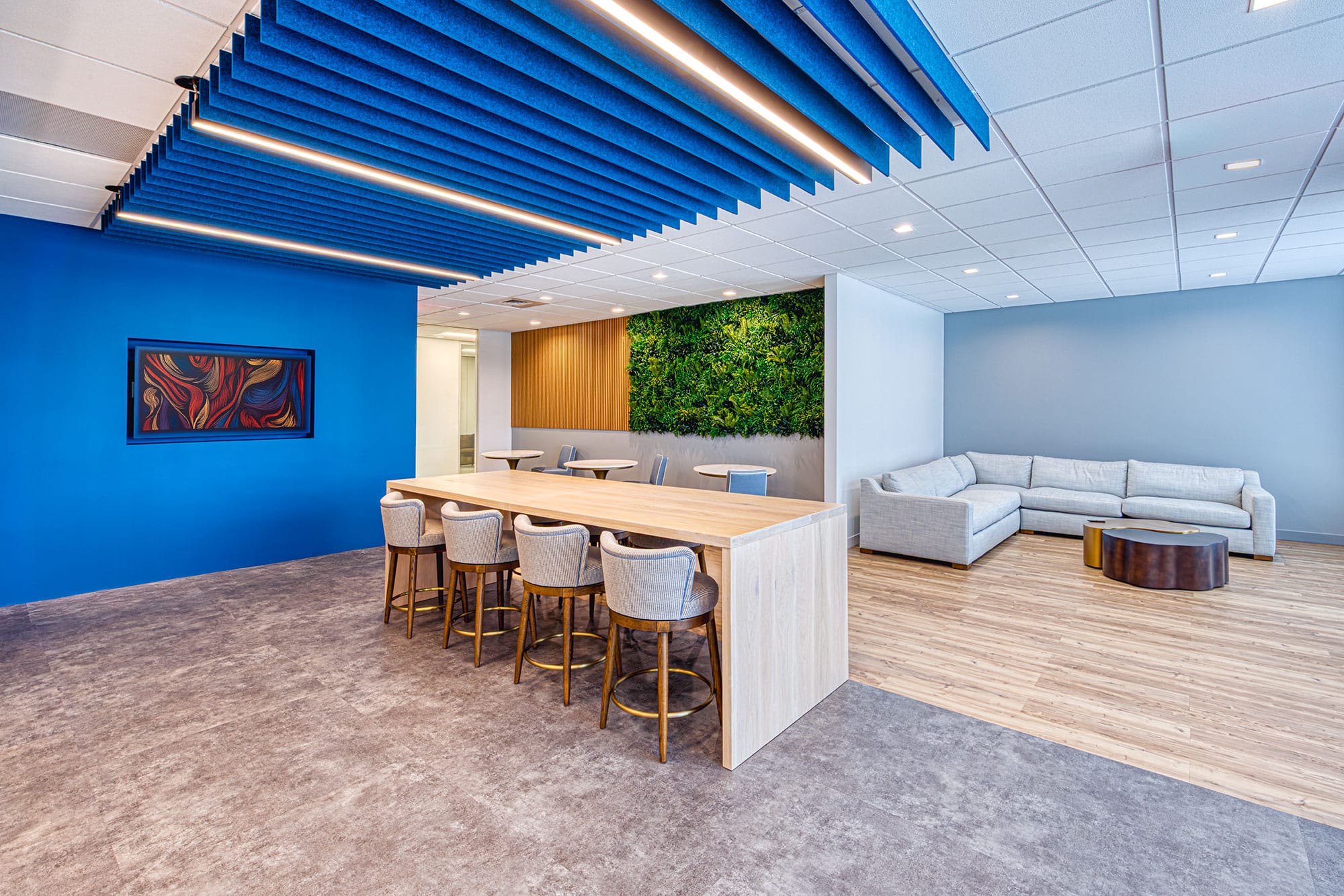
Many problems on a project start where design and construction fail to understand each other. Jerri's examples, from over-dimensioned drawings to details that are lost in manufacturing, show why we plan architecture and interior architecture with constructibility and field conditions in mind. Her view of the project manager as a clear communicator for the client also relates to how we shaped the identity of Storey Program Management, and her workplace examples relate to our office work such as the BWM Office.
About the Guest
Jerri Tuck is a project manager and Managing Director at Savills in Charlotte, North Carolina, with an extensive background managing complex projects and tenant improvements for corporate, healthcare and industrial clients. She has a degree in construction management from Clemson and has worked on both the contractor and owner sides. Connect with Jerri on LinkedIn.