

Introduction
Matt Drinkhahn, a high-performance business coach, joins Jack Ossa on The Power of Design Podcast to talk about mindset, daily habits and how to become the best version of yourself. Matt has coached individuals and teams for more than eight years, and he works with leaders, executives and startup founders.
The conversation moves from Matt's early career in sales to the way he handles emotions, resistance and criticism, and ends with a shared definition of design that connects coaching with architecture.
About the Episode
Matt grew up in a military family that moved 17 times in 21 years. He started his career selling Cutco knives, which he credits with teaching him confidence, presenting and prospecting, then spent about 30 months trying to play professional golf. He went back to corporate sales, building and running direct sales teams in Atlanta, Nashville and Charlotte, and left when he realized that at the top of the company he could enforce decisions but not make them. He then started business coaching.
He says his strength is not worrying about the opinions of people outside his close circle, which lets him try new things and use feedback to learn. He explains why people trust him: he looks them in the eye, listens actively, repeats back what he hears and tries to be real. Jack adds that most business settings are thirsty for authenticity, and Matt brings in a plush Bob Ross doll and the idea of "happy little accidents" to show how he takes success seriously but not himself.
The two compare their definitions of "the best version of yourself," discuss a method for handling negative emotions, and talk about the resistance described in The War of Art. Matt closes by describing the launch of his own podcast, The Eternal Optimist Podcast, and says his coaching company has 78 coaches across the country, with clients in financial services, corporate real estate, technology and retail.
Key Takeaways
- Start with small wins: read for 10 minutes a day, make a plan each morning and write down your wins from the day before.
- Know your strengths: Matt advises figuring out your greatest strengths and maximizing them.
- Process emotions: acknowledge, accept, appreciate, breathe and let go, then ask how to use the situation to your advantage.
- Use gratitude and curiosity: Matt names these two as the remedies for the resistance that holds people back.
- Ask better questions: "how might we" opens options in any situation, from a lost sale to a team challenge.
- Take action in the right direction: you control the pursuit, your actions, attitude and effort, but not the end result.
- Be authentic: people sense when you care about them rather than about your own agenda, and that is what builds trust.
Highlights from the Conversation
Figure out what your greatest strengths are and then maximize those.
Matt Drinkhahn
Start by reading something interesting 10 minutes a day, start by making a plan every day.
Matt Drinkhahn
If I'm designing a building, they don't want a building, what they want is an office for their employees so they're happy and you make money.
Jack Ossa
Topics Discussed
- Growing up in a military family and starting in sales
- Leaving corporate life to become a business coach
- Authenticity and why clients trust a coach
- Handling negative emotions and the 90-second idea
- Resistance, gratitude and abundant curiosity
- Daily routines: journaling, wins and a plan
- The Eternal Optimist Podcast and Matt's coaching company
- What design means in coaching and in architecture
Why This Conversation Matters
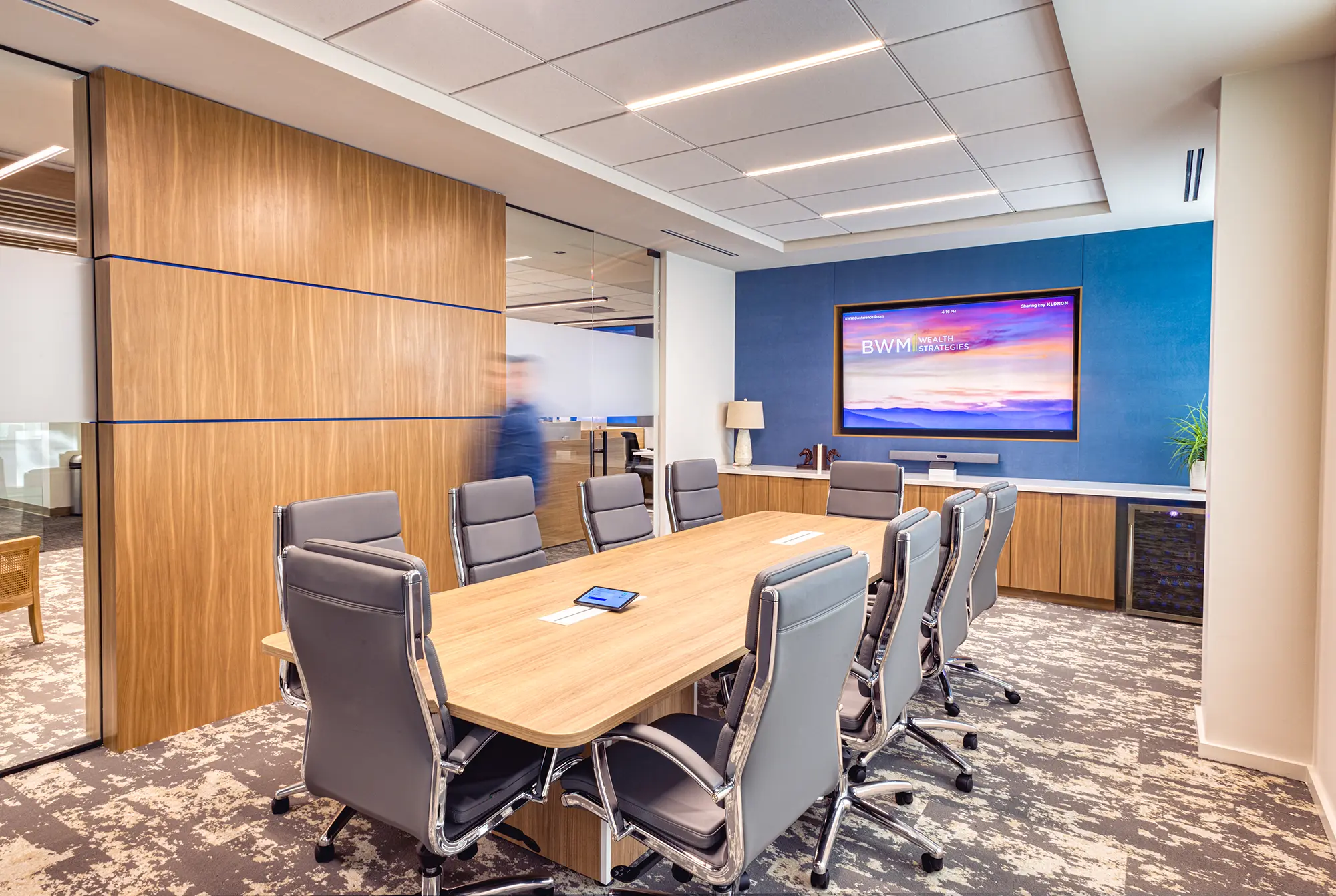
Design work depends on the mindset of the people doing it: clear questions, honest feedback and the discipline to let a client's goals lead. Jack and Matt agree that people buy what a space or a brand does for them, not the object itself, which is the idea behind our interior architecture and architecture work and our branding practice. Workplaces like the BWM Office and the Collet Office start from what the people who work there need to do.
About the Guest
Matt Drinkhahn is a high-performance business coach who has coached individuals and teams for more than eight years. Before coaching he built and led direct sales teams in corporate America, and today he guides CEOs, C-level leaders and startup founders through his coaching company, which has 78 coaches across the country. You can connect with him on LinkedIn.