

Introduction
Rob Phillips, Principal at Bennett & Pless, joins Jack Ossa on The Power of Design Podcast to talk about structural engineering, adaptive reuse and the value of relationships in the design and construction industry. Jack and Rob have worked together for about five years, and Jack often cites Rob as an engineer who understands that the work is built on relationships.
The episode covers Rob's path from a small town in South Georgia to a two-year business degree and then to structural engineering, and how he built a local practice in Charlotte inside a growing national firm.
About the Episode
Rob took an aptitude test in high school that pointed to small business, studied business at a two-year college, and then switched to civil engineering at Southern Polytechnic. His early projects included K-12 schools, retail and office buildings, then Department of Defense work, where his team had to learn blast and progressive collapse mitigation without an in-house expert. He later worked on multifamily, industrial, post-tensioned and senior living projects, a mix he credits for a well-rounded career.
Rob explains what a structural engineer does in plain terms, why a skilled engineer designs with the budget in mind, and why adaptive reuse has become a favorite project type. He describes how, after moving to Charlotte, he introduced himself through industry groups and learned from architects that responsiveness was the gap he could fill. He joined Bennett & Pless when it acquired an established local firm and now leads that department.
The conversation also covers the firm's structure, its building enclosure sister company, why Rob is completing an MBA, the importance of defining a problem before solving it, active listening, and why Jack left a corporate role to start his own firm.
Key Takeaways
- Be responsive: architects told Rob that responsiveness was what local structural engineers lacked, so he made it the center of his service.
- Add value first: in business development, Jack and Rob agree that giving value early builds trust and leads to reciprocal relationships.
- Design to the budget: a skilled engineer protects the public without over-designing, which saves cost for the owner and resources for the environment.
- Adaptive reuse needs judgment: changes of use trigger existing building code questions, and an old building should have features worth saving.
- Define the problem: the stated problem is often a byproduct, and jumping to solutions too early is a common mistake.
- Build on strengths: teams work best when each person spends time on what they do well, supported by mentors.
- Be comfortable being uncomfortable: new tools, from Revit to AI, are not going away.
Highlights from the Conversation
Anybody can design a building. It's a skilled structural engineer with budget in mind.
Rob Phillips
I'm not trying to spend a lot of time teaching my center how to dribble. I want him blocking the paint and rebounding.
Rob Phillips
It's not going anywhere, so might as well embrace it.
Rob Phillips
Topics Discussed
- From a business degree to structural engineering
- Blast and progressive collapse design for defense work
- What structural engineers do and why economy matters
- Adaptive reuse and existing building code questions
- Business development through relationships
- How Bennett & Pless grows through acquisitions and new offices
- MBA studies, strategy and active listening
- Mentoring, team building and workplace culture
Why This Conversation Matters
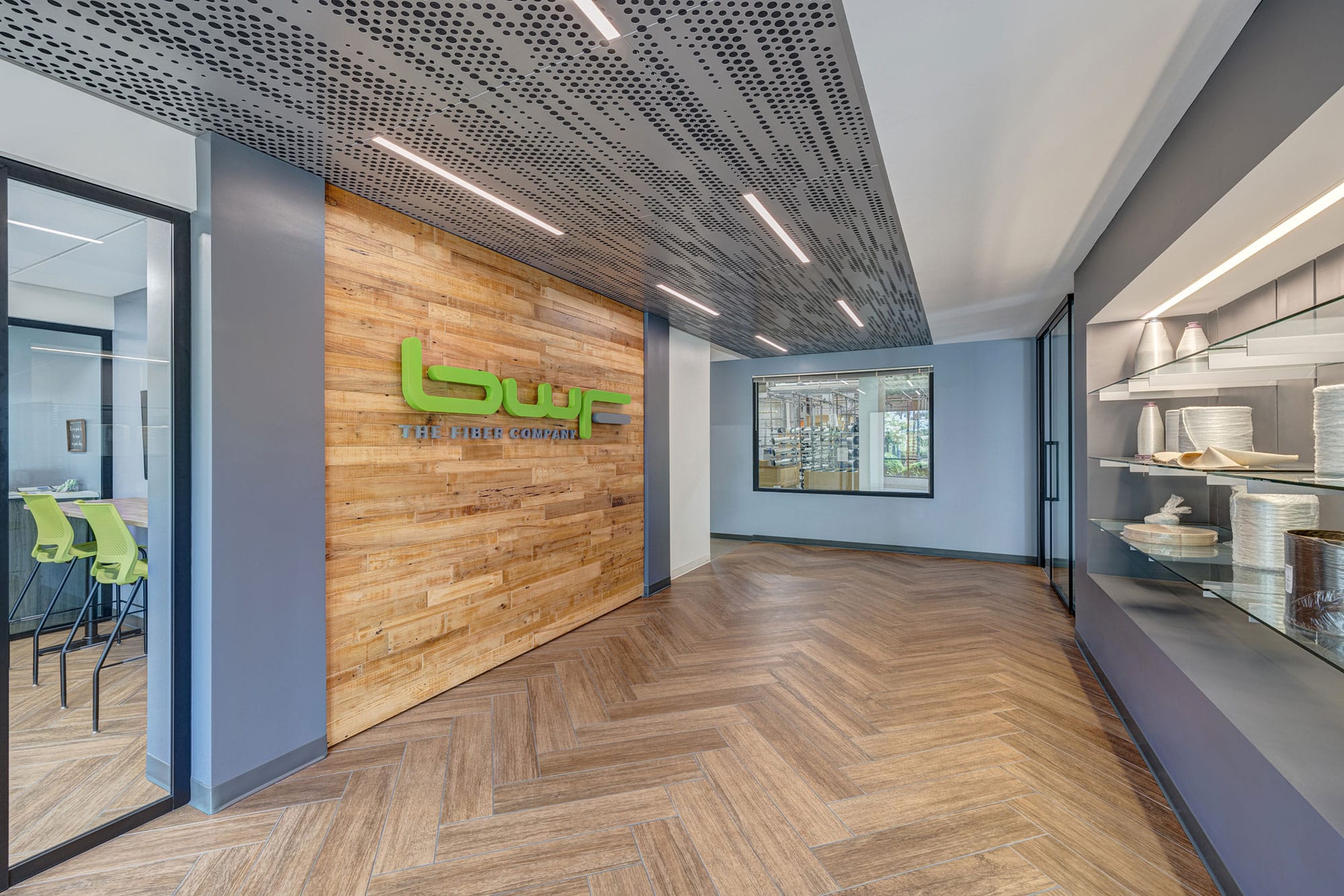
Structural engineers shape what an architectural idea can become, especially when an existing building is being reused. Rob's view that early collaboration and honest communication save money applies to every project we do in architecture and interior architecture, from adaptive reuse such as Hedgemore Flex and Vizion Church to renovations such as B&W Fiberglass Office.
About the Guest
Rob Phillips is a Principal at Bennett & Pless, a structural engineering firm, where he leads the Charlotte structural team. He studied civil engineering at Southern Polytechnic, spent his early career in Atlanta and moved to Charlotte to build a local practice. Connect with Rob Phillips on LinkedIn or visit the Bennett & Pless website.