
Introduction
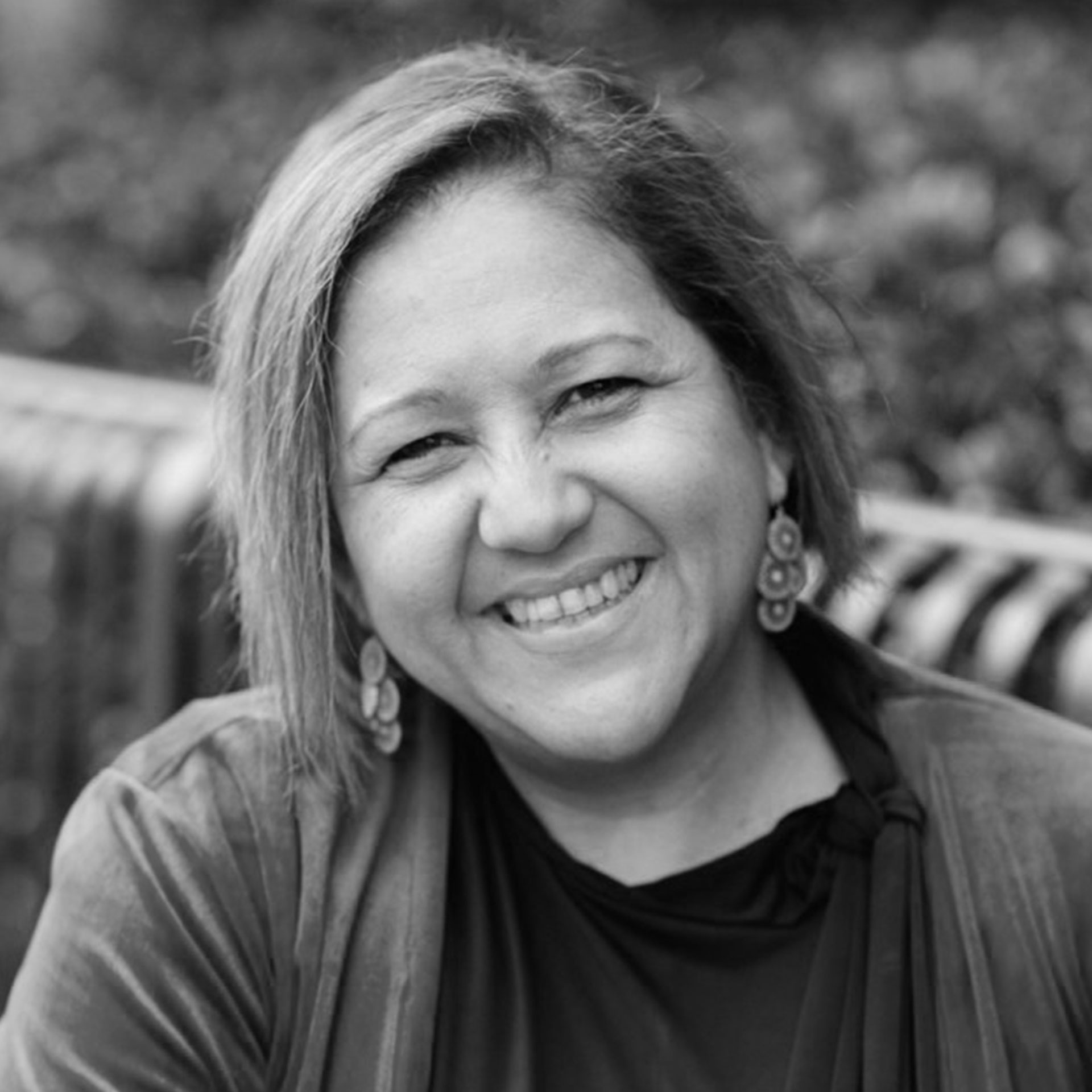
Sharon Jordan, founder and CEO of Speech Tactics in Charlotte, North Carolina, joins Jack Ossa on The Power of Design Podcast to talk about how a speech pathologist became the leader of a pediatric therapy company. Speech Tactics focuses on bilingual therapy services and on children with autism, and has about 22 full-time employees.
The conversation covers Sharon's path from psychology and speech pathology to entrepreneurship, what she learned about leading people, how she handles frustration, and where she wants pediatric therapy to go.
About the Episode
Sharon grew up in Miami in a large, loving family whose parents gave their children the freedom to choose their path. She studied speech pathology at the University of South Florida after visiting a clinic and seeing a working professional who had lost speech after a stroke. She worked in a hospital in Rock Hill, South Carolina, where she started a laryngectomy program, and then began seeing children on weekends until she had a full caseload.
She says she never planned to start a business. She did early-intervention therapy for the county in clients' homes, hired a few therapists to meet demand, and realized she had a company when she had to decide when to stop treating. She explains the shift from being a clinician to being a CEO, and why she now separates building a business from growing an organization.
Jack and Sharon swap ideas on communicating a vision to a team, which needs more repetition than leaders expect, and on emotional habits: feeling frustration without blaming, watching your own thoughts, and speaking to yourself kindly. Sharon describes how children are referred, assessed and treated, and why communication is about how people feel heard. They close on the future, including serving the whole family, technology and Jack's suggestions of video-game therapy and virtual reality.
Key Takeaways
- Purpose shows up in culture: values on a wall are not enough; the team remembers how the leader behaves.
- Business and organization are different jobs: one is analytics and strategy, the other is people, and a founder has to learn both.
- Repeat the vision: a leader who sees the vision clearly may forget that others need to hear it many times.
- Let the emotion pass: Sharon allows herself to feel frustration first, then moves to reasoning and improvement.
- Watch your thoughts and tone: noticing the tone of the voice you use with yourself changes your relationship with yourself.
- Listen to be understood: reflective listening means telling people back what you heard before adding your own idea.
- Serve the whole family: Sharon sees the future of pediatric therapy in convenient, comprehensive service for parents and children together.
Highlights from the Conversation
Building a business is what are the analytics, the KPIs and the strategic things we need to put in place to grow this business. Growing an organization is about people for me.
Sharon Jordan
You can put your values on a wall, you can put them in your brochure, but that is the work.
Sharon Jordan
The biggest thing that my field has taught me is just the power of communication.
Sharon Jordan
Topics Discussed
- Sharon's path from psychology to speech pathology
- Starting early-intervention therapy and hiring a team
- Moving from clinician to CEO
- Culture, values and communicating a vision
- Handling emotions, self-talk and the 90-second idea
- How a child is referred, assessed and treated
- Reflective listening and communication
- The future of pediatric therapy and technology
Why This Conversation Matters
Sharon's point that people experience a company, and not only a single therapist, is the same idea behind good branding: the values have to show up in every interaction. It also applies to the spaces where families spend time. Our interior architecture for Melmark Carolinas, a special education school, and for the women's healthcare clinic Oula Health start from the experience of the people who use them.
About the Guest
Sharon Jordan is the founder and CEO of Speech Tactics, a pediatric therapy practice in Charlotte, North Carolina, with about 22 full-time employees. A licensed speech-language pathologist who studied at the University of South Florida, she previously worked in hospital rehabilitation before starting her practice. Connect with her on LinkedIn.