

Introduction
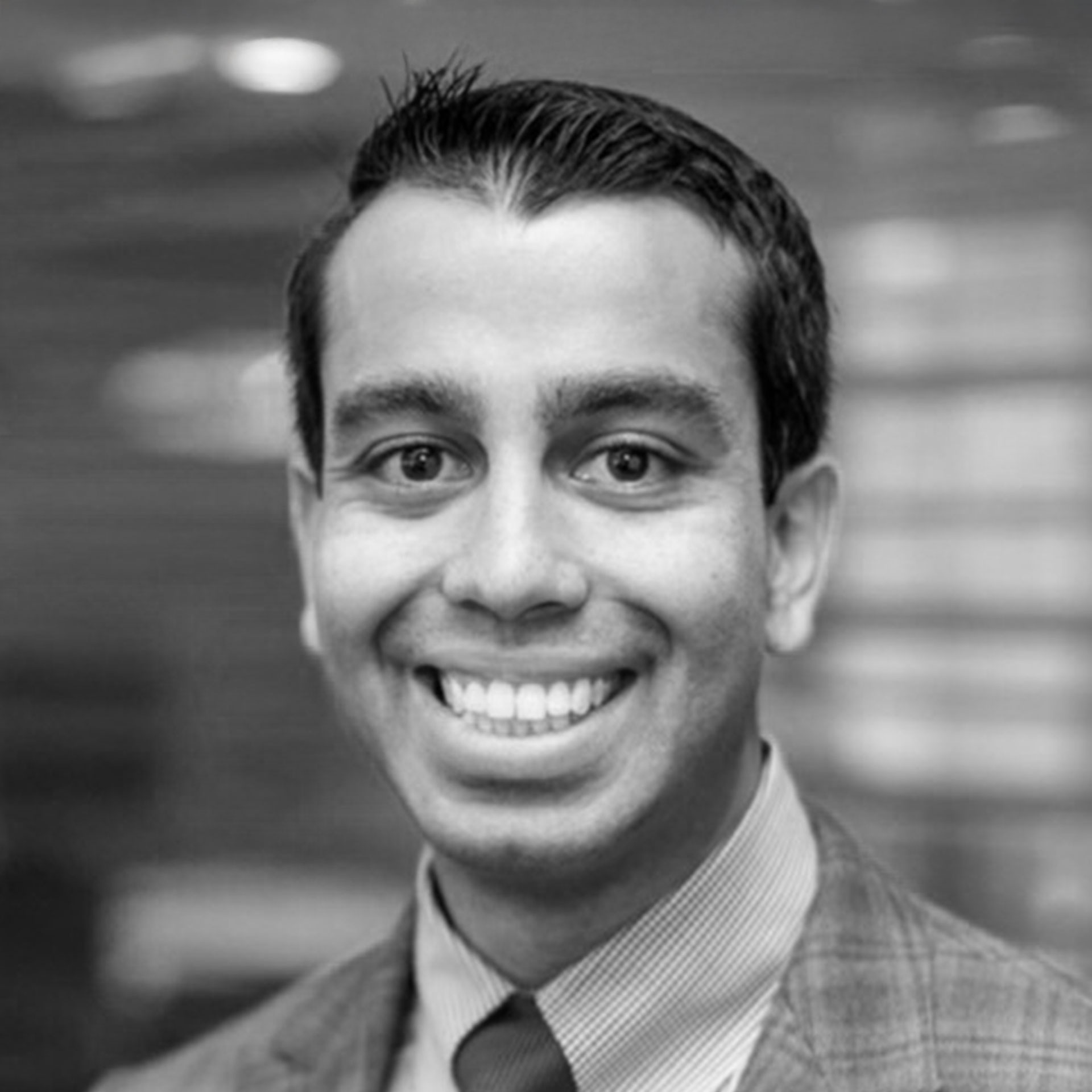
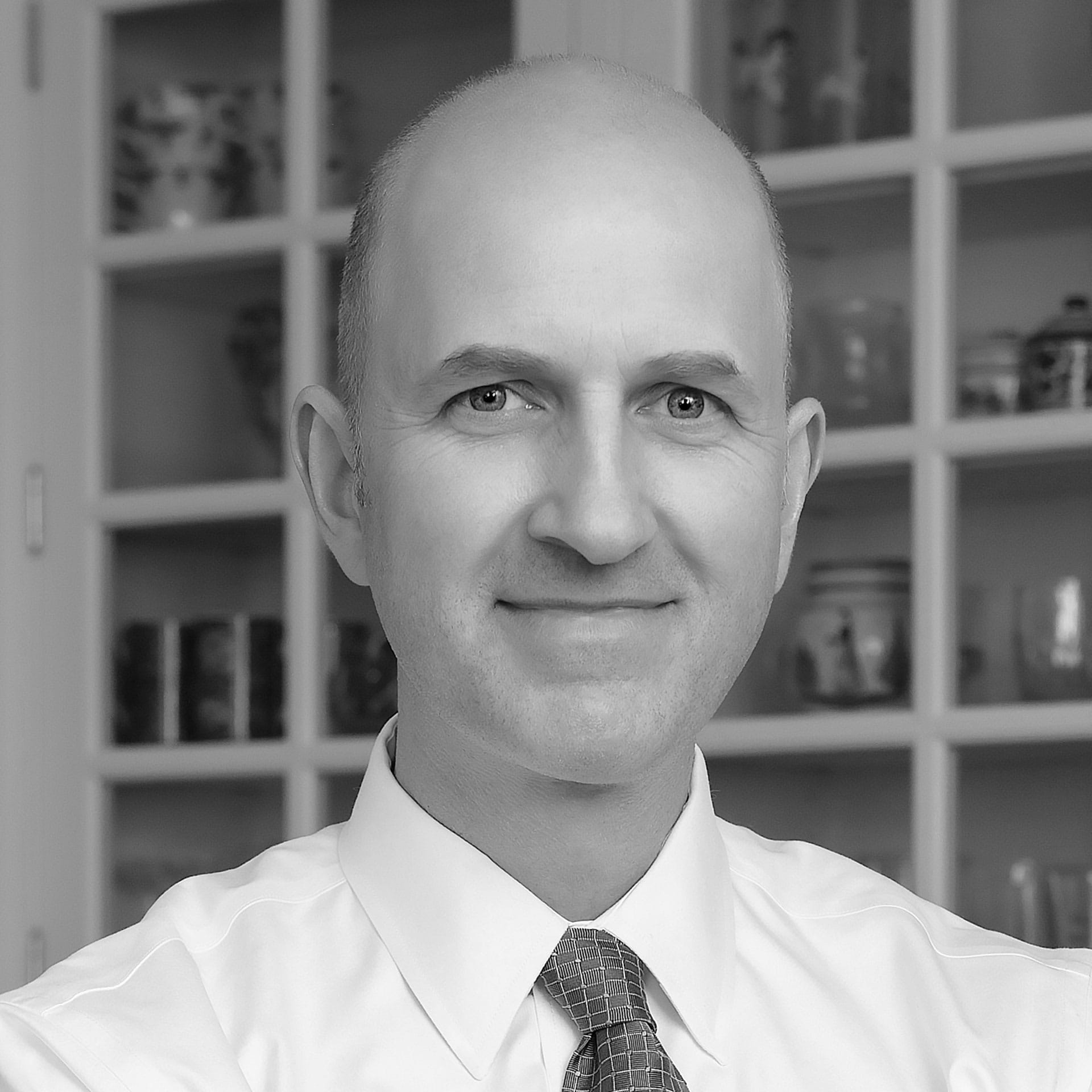
Steve Chaparro, a keynote speaker and culture design strategist, joins Jack Ossa on The Power of Design Podcast to talk about design thinking, culture and the way design applies far beyond buildings. Steve trained as an architect, worked in real estate development, financial planning and strategic design, and now runs a culture design studio for creative firms.
The conversation covers fear and identity, how design thinking works, how leaders can change a company's culture, and why strategy has to be designed continuously in an uncertain environment.
About the Episode
Steve names fear as the main obstacle that keeps people from trying new things, especially the habit of tying identity to performance. Jack adds the example of failing at something versus saying "I am a failure."
Steve then walks through his career: choosing architecture in ninth grade, studying at USC, managing projects at a regional firm, moving into master planning with a home builder, working as a financial advisor during the downturn, and becoming VP of strategic design before founding his culture design studio. He also earned a master's degree in strategic design and management.
He explains design thinking as a systematic, human-centered way to solve problems, with the key step of understanding the problem before looking for a solution, and distinguishes simple, complex and wicked problems. He describes his work as coaching and facilitation with creative leaders and teams, the survey he ran with creative leaders about their challenges, and why strategic design is replacing strategic planning. The episode closes with transformation, peaks and valleys, and a definition of design as being intentional and empathetic.
Key Takeaways
- Identity is not performance: tying who you are to your results makes failure feel personal and holds people back.
- Understand the problem first: many people jump to solutions, but the first step in design thinking is to understand the problem and the user.
- Let the answer emerge: in an emergent process the best solution appears as you work, as when a drawing begins with one line.
- Use design for culture: design principles can be applied to team, organizational and personal culture.
- Agencies work with clients: creative clients now expect to do the work with their agencies, which requires new skills.
- Design strategy continuously: in volatile and ambiguous times, ongoing research replaces a five-year plan.
- Design is a mindset: thinking like a designer means being intentional and empathetic and solving the right problem.
Highlights from the Conversation
No longer are their clients happy or satisfied with the agencies doing the work for them. They want the agencies to do the work with them.
Steve Chaparro
A good idea at the wrong time is a bad idea.
Steve Chaparro
Design is really just about being intentional, it's about being empathetic, it's about really trying to understand what the problem is.
Steve Chaparro
Topics Discussed
- Fear, identity and performance
- From architecture to real estate, finance and strategic design
- What design thinking is and how its steps work
- Simple, complex and wicked problems
- Designing culture at the societal, team and personal scale
- Coaching and facilitation for creative firms
- Strategic design in a volatile and uncertain world
- Peaks, valleys and enjoying the climb
Why This Conversation Matters
Steve's point that you must understand the problem before designing the answer is the starting point of every project we take on, from branding to interior architecture. Workspaces such as the BWM Office are shaped by how a team works and what its culture needs, and a church design like Vizion Church grows from the community it serves. Steve's idea that design is a mindset of intention and empathy is also why our architecture and brand work begins with research and conversation.
About the Guest
Steve Chaparro is a culture design strategist and keynote speaker based in Southern California. Trained as an architect at USC, he has worked in architecture, real estate development, financial planning and strategic design, and holds a master's degree in strategic design and management. He founded a culture design studio that helps creative firms transform their culture through coaching and facilitation. Connect with him on LinkedIn.