
Introduction
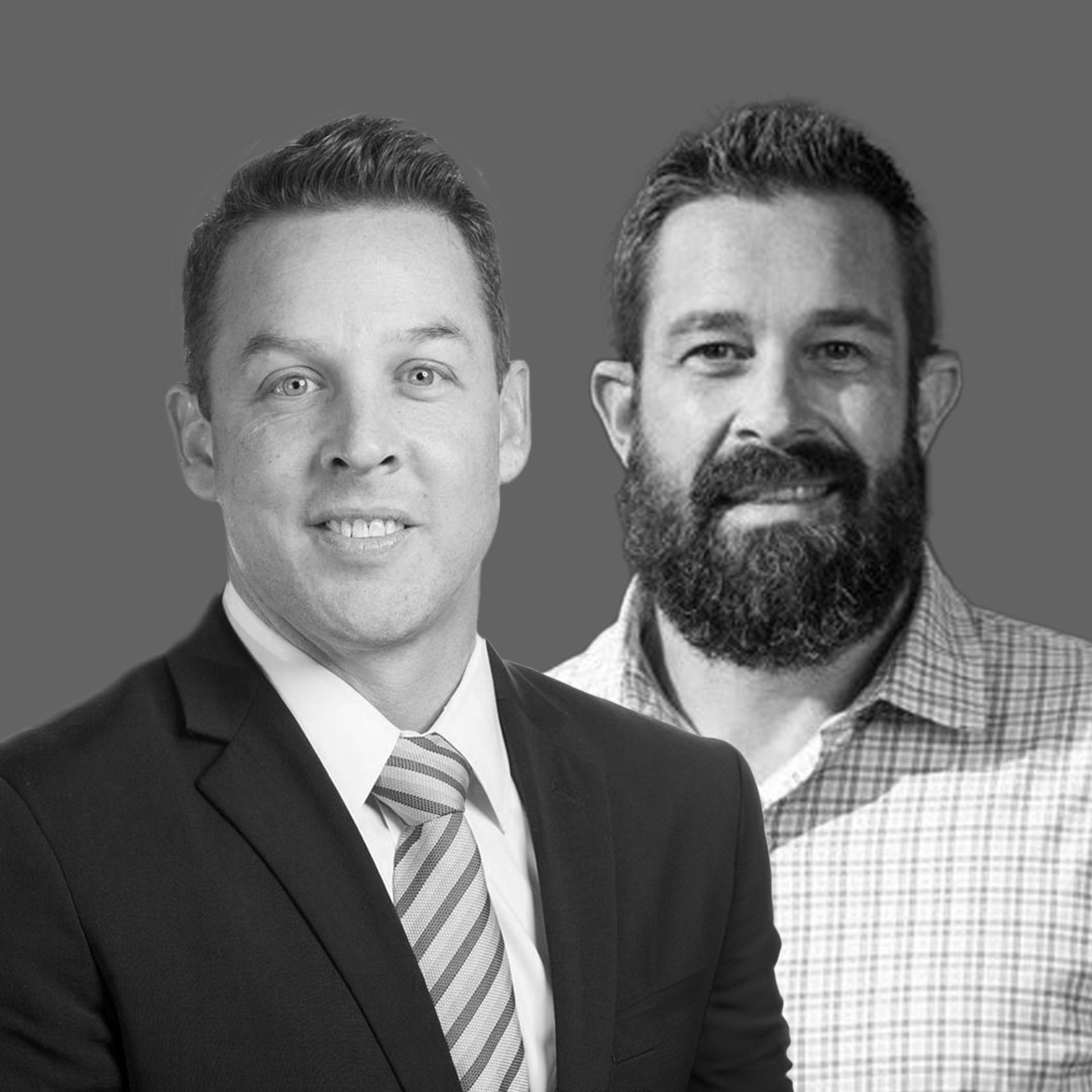
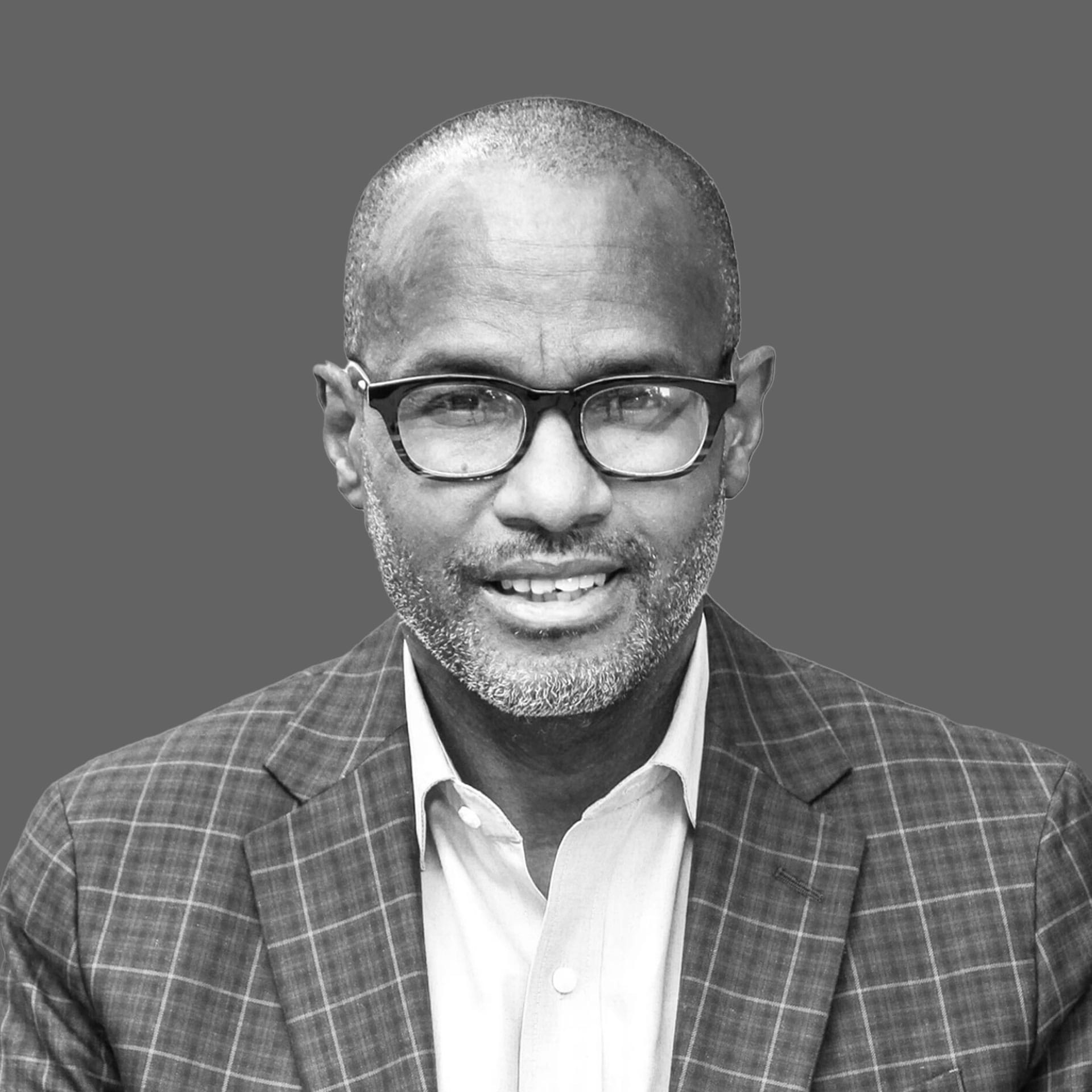
William McNeely, entrepreneur and founder of Do Greater Charlotte, joins Jack Ossa on The Power of Design Podcast to talk about opening doors for kids in Charlotte through technology, creative space and community. Do Greater is described as a community of creatives that empowers tomorrow's creative class.
William is a Charlotte native who grew up on the west side of the city, and the conversation links his own story to the work the foundation does today.
About the Episode
William explains how his family, who came to Charlotte from South Carolina, had few relatives who had been to college, and how attending school on the south side of the city showed them what they could become. He studied information systems at NC State and spent about 20 years in educational technology, much of it with Apple, while volunteering in the community and coaching football. He says his focus has always been on people and on how to turn technology into opportunity for kids.
He then describes how Do Greater began and what it looks like now: a technology truck that took tools to kids, a pivot to online training during the pandemic, and a plan for a physical creative space that he calls a co-working space for kids. The space is in the basement of Shiloh Institutional Baptist Church and was about to start construction, with a goal of connecting design firms, advertising firms, architects and other professionals with young people.
Jack and William also discuss why schools often feel sterile and isolating, how a football practice model of learning from each other could shape the space, and why technology is now a basic life skill. William finishes with the three to five year plan to open creative labs in underfunded corridors of the city.
Key Takeaways
- Three needs: technology, creative space and a nurturing community are what kids need to succeed.
- Ask kids what they want: a human-centric approach starts with listening to the people you are trying to help.
- Create collisions: when an architect and a kid from the west side share a space, both discover things they did not know.
- Learning environments matter: open, collaborative spaces encourage critical thinking more than rows of desks.
- Start early: soft skills such as walking into a meeting and talking to people are best developed in middle school.
- Use interests as the way in: programs built around entertainment, media, sports, gaming or apparel can lead to training in critical skills.
- Take the model where the need is: the plan is to place creative labs in corridors with underfunded schools and high poverty rates.
Highlights from the Conversation
The technology, the creative space and the community, those are the three things that we need to build within our construct of how to create an environment for these kids.
William McNeely
Let's approach this from a more human-centric approach. Let's ask the kids what they want.
William McNeely
Creating what we call these creative conversations or creative collisions.
William McNeely
Topics Discussed
- Growing up on the west side of Charlotte
- Careers in educational technology
- Founding Do Greater and a technology truck
- A co-working space for kids
- Partnerships with the design community
- Rethinking learning environments
- Soft skills, entrepreneurship and critical thinking
- Expanding creative labs across the city
Why This Conversation Matters
William's plan for a flexible, open creative space shows how design can serve a community. His description of tech labs, studios and collaborative areas is the same kind of program we plan in interior architecture for educational and flexible spaces, as in Melmark Carolinas and the adaptive reuse Hedgemore Flex.
About the Guest
William McNeely is an entrepreneur and the founder and CEO of Do Greater Charlotte, a foundation that gives young people access to technology, creative space and a nurturing community. A native of Charlotte, he studied at NC State and worked for about 20 years in educational technology. Connect with him on LinkedIn or learn more at Do Greater.