

Introduction
John Vieregg, Managing Partner of CoCotiv, joins Jack Ossa on The Power of Design Podcast to talk about coworking, flexible office space and the community that forms inside it. CoCotiv operates in Charlotte's Montford Park district, and John hopes to expand it across the Southeast.
Jack was a CoCotiv member for about three years, so this is a conversation between a space operator and a former tenant. They cover John's path from a Nebraska ranch to real estate and retail, how CoCotiv survived Covid, and why the middle ground between the office and the home keeps growing.
About the Episode
John grew up in Nebraska, where his father raised cattle, and says the ranch gave him a work ethic. When the family sold it, he studied real estate at Arizona State University and worked in land development for a large Arizona homebuilder and in shopping center development. He moved to Charlotte in 1991, and in 1993 he opened a store in the Atherton Mill. He spent about 20 years in furniture and antiques retail and later joined a venture that reclaimed wood from a historic distillery site, launched just before the recession.
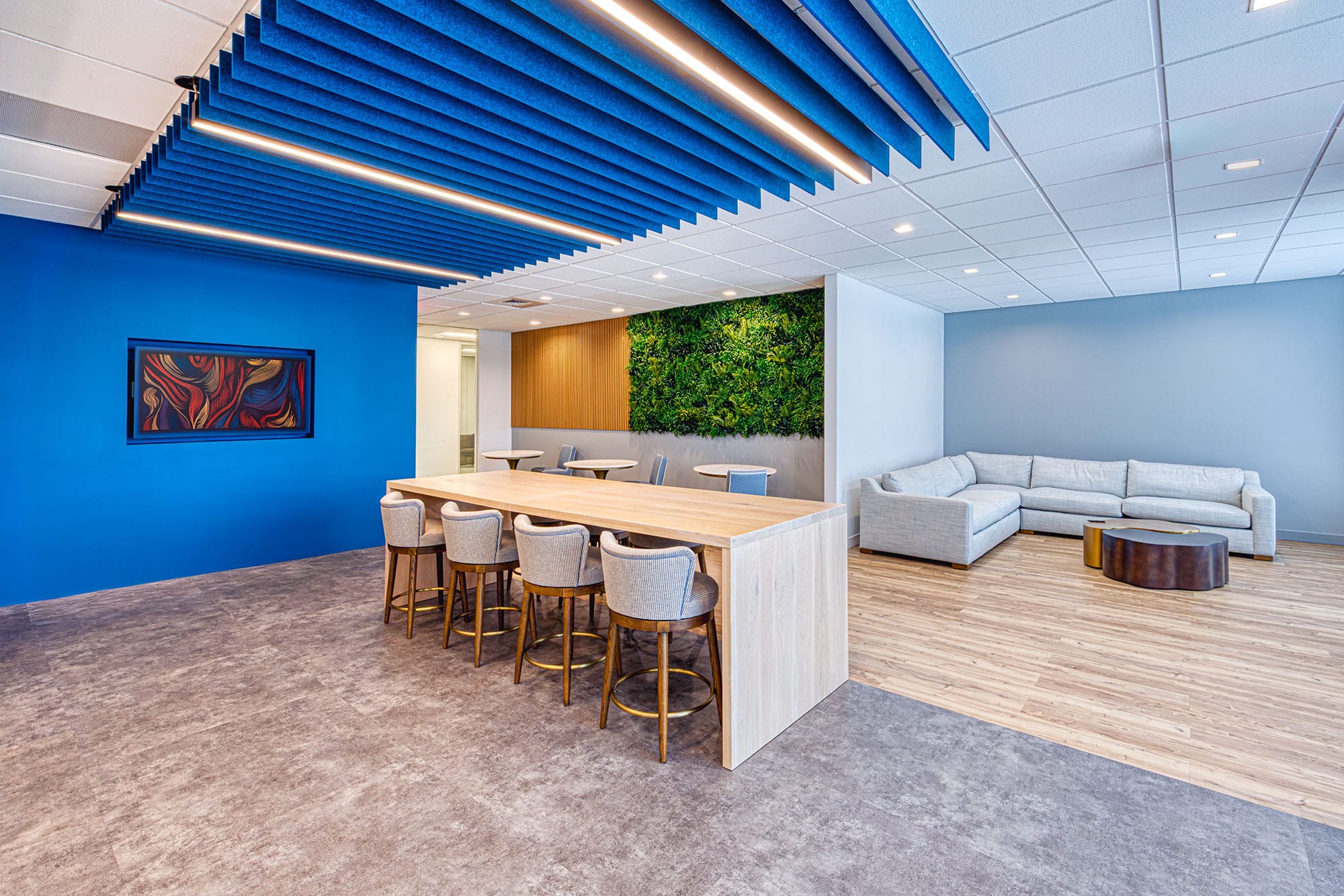
A local developer's idea of a coworking concept sparked his curiosity, and a friend pointed him to a building on Park Road owned by Grubb Properties. He explains the challenge of its low ceilings and how the space was designed. He describes opening a seventh floor with 52 private offices in late 2019, the shutdown that followed and the flexible leases that helped the business recover.
The conversation then turns to what makes coworking work: a mix of industries who help each other, an incubator-style program, local events and a founder who greets members by name. John shares his plans for expansion and a possible merger or sale, and Jack and John agree that design only helps if the culture and community are right.
Key Takeaways
- Flexibility is the product: short or varied terms let small businesses commit without the pressure of a three- or five-year lease.
- Private offices drive demand: CoCotiv expanded with 52 and then 60 new private offices because that is what members asked for.
- Community beats square footage: a mix of industries that want to help each other makes a coworking space more than a rented desk.
- Hybrid is here to stay: John expects coworking and flex space to stay an alternative to both the corporate office and the home office.
- Offer more than space: programs such as a six-week ad hoc board and local events give members access to advice they could not afford alone.
- Referrals do the work: most of CoCotiv's business comes by referral, supported by paid advertising and networking.
- Failure builds character: John says learning to overcome failure, including the 2008 recession and Covid, matters as much as success.
Highlights from the Conversation
That mission really, as I told you early on, was to help businesses grow.
John Vieregg
Where we benefit versus maybe a traditional landlord is companies want flexibility in their terms, and we've always been about flexibility.
John Vieregg
I think it's learning how to overcome failure and how to persevere through tough times.
John Vieregg
Topics Discussed
- Growing up on a Nebraska cattle ranch
- From real estate development to retail and reclaimed wood
- Finding and designing a coworking building
- Opening 52 private offices and the Covid shutdown
- Flexible lease terms and the hybrid model
- Community, incubator programs and local events
- Expansion plans and the future of coworking
- Marketing a coworking space
Why This Conversation Matters
John's experience shows that a good workplace combines a well-planned space with a community that fits the people who use it. Our interior architecture work often starts with that question, as in Hedgemore Flex, an adaptive reuse for flexible workspace, and the repositioning of Coliseum Drive. A clear identity also helps a space like this stand out, which is where our branding practice comes in.
About the Guest
John Vieregg is the Managing Partner of CoCotiv, a coworking company in Charlotte's Montford Park district. Born in Nebraska, he studied real estate at Arizona State University, worked in land development and retail development, and has lived in Charlotte since 1991. He ran retail businesses in furniture and antiques for about 20 years, including Interior Marketplace and Post and Gray, and was a partner in Bourbon Boards, which repurposed antique materials.
Connect with John Vieregg on LinkedIn
Visit Cocotiv's Website