

Introduction
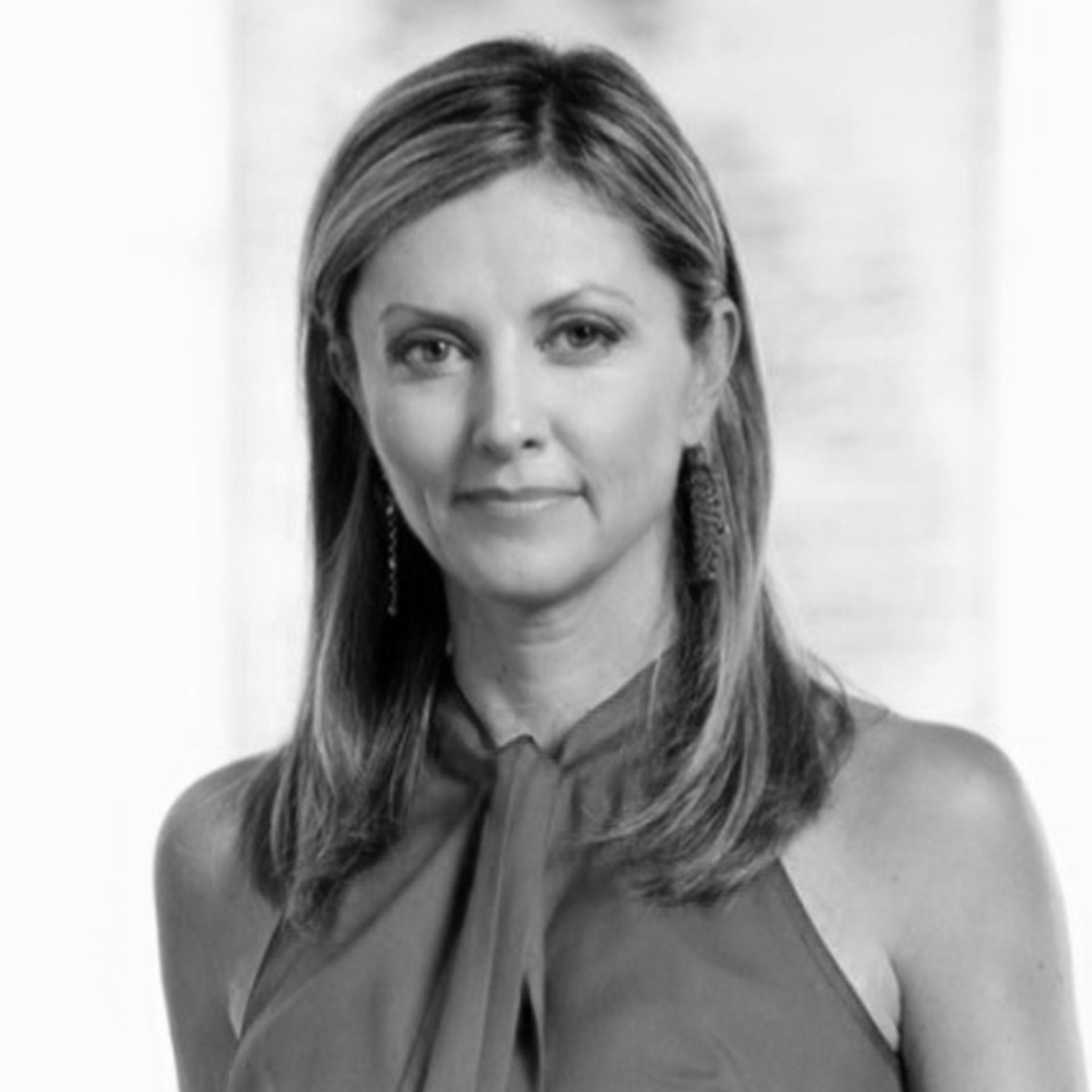
Melanie Guinn Henderson, a global brand and communications consultant, joins Jack Ossa on The Power of Design Podcast to talk about brand strategy and how it shapes the way people perceive a business. Her career started in Milan, Italy, in luxury branding, and she has since advised corporate, nonprofit and government organizations across dozens of industries.
Jack and Melanie have known each other for about twelve years, and the conversation is relaxed and personal. It moves from languages and life in Europe to running a Charlotte branding agency, and then to what a brand strategy actually is.
About the Episode
Melanie grew up in the mountains of North Carolina, became fascinated by other cultures as a child and studied French and international affairs at George Washington University. She worked for an international auction house in Paris and Milan, where she developed the stories behind items, directed photography and helped produce printed catalogs. When the Milan office closed, she joined a small luxury branding firm, learned Italian quickly and worked on naming and product development for new markets.
Back in Charlotte she became a global brand director for an Italian company, enforcing brand standards across subsidiaries in London, France and Germany. She then built a solo consulting practice with European clients, later co-founded an agency of about seven people that outsourced photography and video and stayed lean. The agency became agency of record for the hospitals of a large regional health system, then pivoted toward branded environments with an architect on the team. After 15 years she closed the agency, ahead of a lease renewal, and says the timing proved lucky.
The core of the episode is a discussion of brand strategy: why it is more than visual assets, how research drives it, why simplicity matters and why authenticity cannot be faked. Melanie also describes the book she is finishing, built around the image of an oyster that only makes a pearl after an irritant gets inside, and Jack names efficiency as the word he would want people to associate with him.
Key Takeaways
- Strategy before assets: logos, brochures and websites are the tail end of a brand; the thinking about audience and message comes first.
- Research drives ideas: Melanie digs into what people want, age ranges and psychology, then narrows the findings to four or five big ideas.
- An outside view helps: someone who is not in an industry every day can see how a brand comes across and simplify what it says.
- Widen the audience on purpose: in healthcare, shifting from specialist services to women, preventative care and wellness reached far more people.
- Simplicity wins: one headline, one visual and a short paragraph beat a message crowded with everything the client could say.
- Authenticity is required: a brand is what others say about you, so your behavior has to match the story you tell.
- Take the first step: Jack and Melanie both favor getting the ball rolling and adjusting along the way.
Highlights from the Conversation
You have to do the research, you can't just come to an entity and say this is your next campaign.
Melanie Guinn Henderson
It has to be authentic or you're just going to come off as completely false and self-serving.
Melanie Guinn Henderson
I always say branding is somebody's or someone's perception of you or your business.
Jack Ossa
Topics Discussed
- Growing up curious about other cultures and learning languages
- Working in luxury branding in Milan
- Cultural differences between Italy, Europe and the United States
- Building a small, lean branding agency
- Healthcare marketing and widening an audience
- Branded environments and company culture
- Simplicity, visual noise and brand perception
- Aspirational branding in luxury and consumer goods
Why This Conversation Matters
Anyone who commissions a logo or a website before deciding who the brand is for will recognize the problem Melanie describes. Her approach, research first and one clear message after, is the same logic behind our own branding work, such as the identity for PKG Health and the brand for Genesis Construction. Her point about branded environments also connects to interior architecture: a space should express culture with restraint, not with giant logos everywhere.
About the Guest
Melanie Guinn Henderson is a strategist with experience in global brand strategy, market research and execution. She began her career in Milan with luxury brands, has advised corporate, nonprofit and government clients, and worked with senior communication officers and business executives. She later led a Charlotte branding agency for 15 years and is finishing a book. Connect with Melanie on LinkedIn.