
Introduction
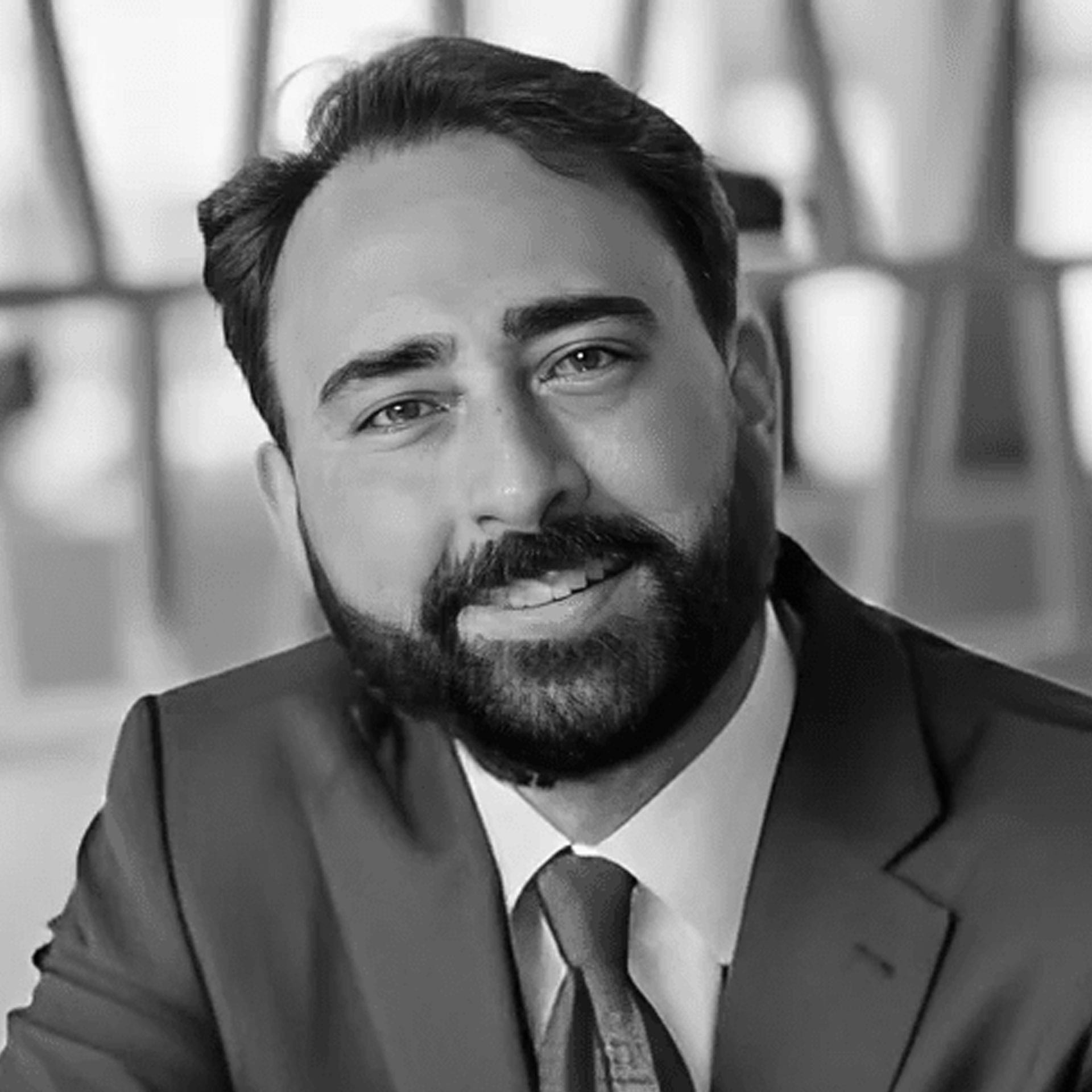
Henri Gresset, a broker at Childress Klein in Charlotte, joins Jack Ossa to talk about adaptive reuse, the work of a commercial real estate broker and the future of the built environment. Henri represents local developers and investors who want to turn existing buildings into new uses, and Jack introduces him as someone who understands both the market and the culture behind his clients' success.
The conversation covers his path into brokerage, how he explains the job, why old warehouses are attractive and difficult, and how technology and automation may change development.
About the Episode
Henri spent part of his childhood in Europe, attended Wofford College and started in brokerage in 2008, in the middle of the recession. He built his network through introductions, worked in office, retail and industrial leasing, earned his CCIM designation and joined Childress Klein, first as a tenant representative. He later completed a master's in real estate and now spends most of his time on development and investment, with adaptive reuse at the center.
He describes the broker as a conductor who needs to know a little about every instrument: design, construction, finance, law, zoning and environmental issues. He also discusses negotiation, curiosity as his differentiator and the habits he recommends to newcomers.
On adaptive reuse, Henri explains how developers buy former warehouses, rezone them, redesign them and lease them as office or retail space. He points to sustainability, nostalgia for older materials and shorter schedules, and to the brownfield process, which can turn a deal that should take months into years. He also shares his view that AI and automation will reshape brokerage and construction.
Key Takeaways
- The broker is a conductor: brokers do not need to be experts in every field, but they must understand how each part fits and keep the team on time.
- Time kills deals: keeping people communicating when problems appear is a large part of the job.
- Private information matters: great brokers know which tenants are moving and which owners will sell, and that comes from relationships.
- Adaptive reuse is practical: recycling a building is usually greener and often more economical than building new.
- Brownfield work is slow: testing soil and vapors and getting state agreement can stretch a transaction for years.
- Competition is high: even off-market acquisition deals attracted multiple bidders.
- Relationships need face time: email and video do not replace meals, activities and meeting in person.
Highlights from the Conversation
A broker does not need to be an expert in Revit AutoCAD or foundation systems but they better know at least a little bit about design and construction.
Henri Gresset
The recycling of buildings is almost always more environmentally friendly than building from scratch and it's often more economically viable.
Henri Gresset
Face-to-face interactions are vitally important to building trust and just conducting business in general, there's no substitute for it.
Henri Gresset
Topics Discussed
- Charlotte's market and the long economic expansion
- Starting in brokerage during a recession
- The broker as orchestra conductor
- Negotiation, curiosity and constant learning
- What adaptive reuse is and why developers choose it
- Brownfield and environmental hurdles in old warehouses
- AI, automation and green building rules
- Handshake deals versus contracts
Why This Conversation Matters
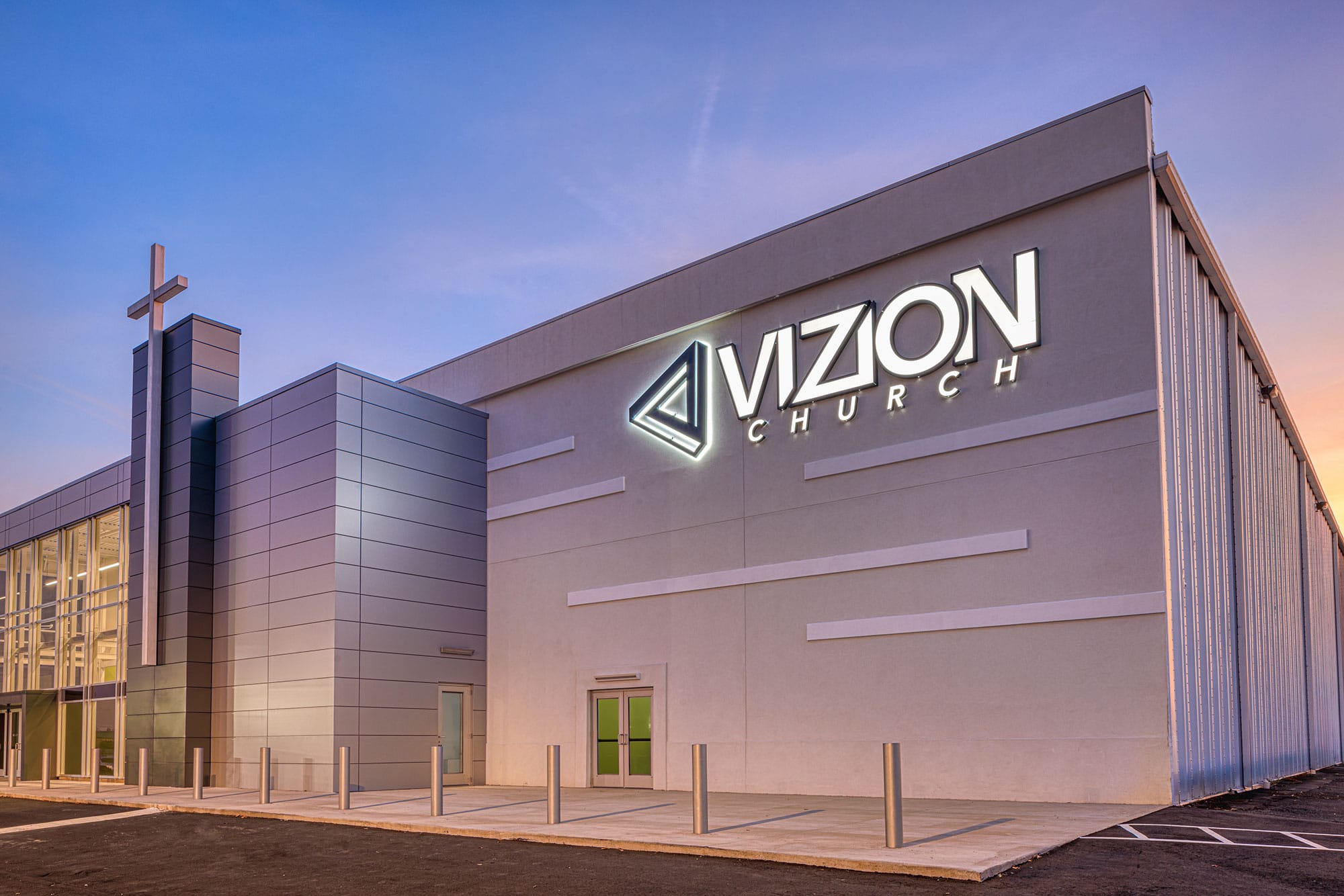
Henri describes what happens before a designer is hired: finding the building, testing the site and deciding on a new use. That is the stage at which architecture and interior architecture add the most value, and it matches projects such as Hedgemore Flex, an adaptive reuse in Charlotte, and Vizion Church, where an existing building took on a new purpose. His view that every deal depends on trust also applies to how a brand is built.
About the Guest
Henri Gresset is a broker at Childress Klein Commercial Real Estate in Charlotte, North Carolina. He began his career in 2008, holds the CCIM designation and a master's in real estate, and represents local developers and investors, with a focus on adaptive reuse of former warehouses. He also works in office and industrial tenant representation. Connect with Henri on LinkedIn.