
Introduction
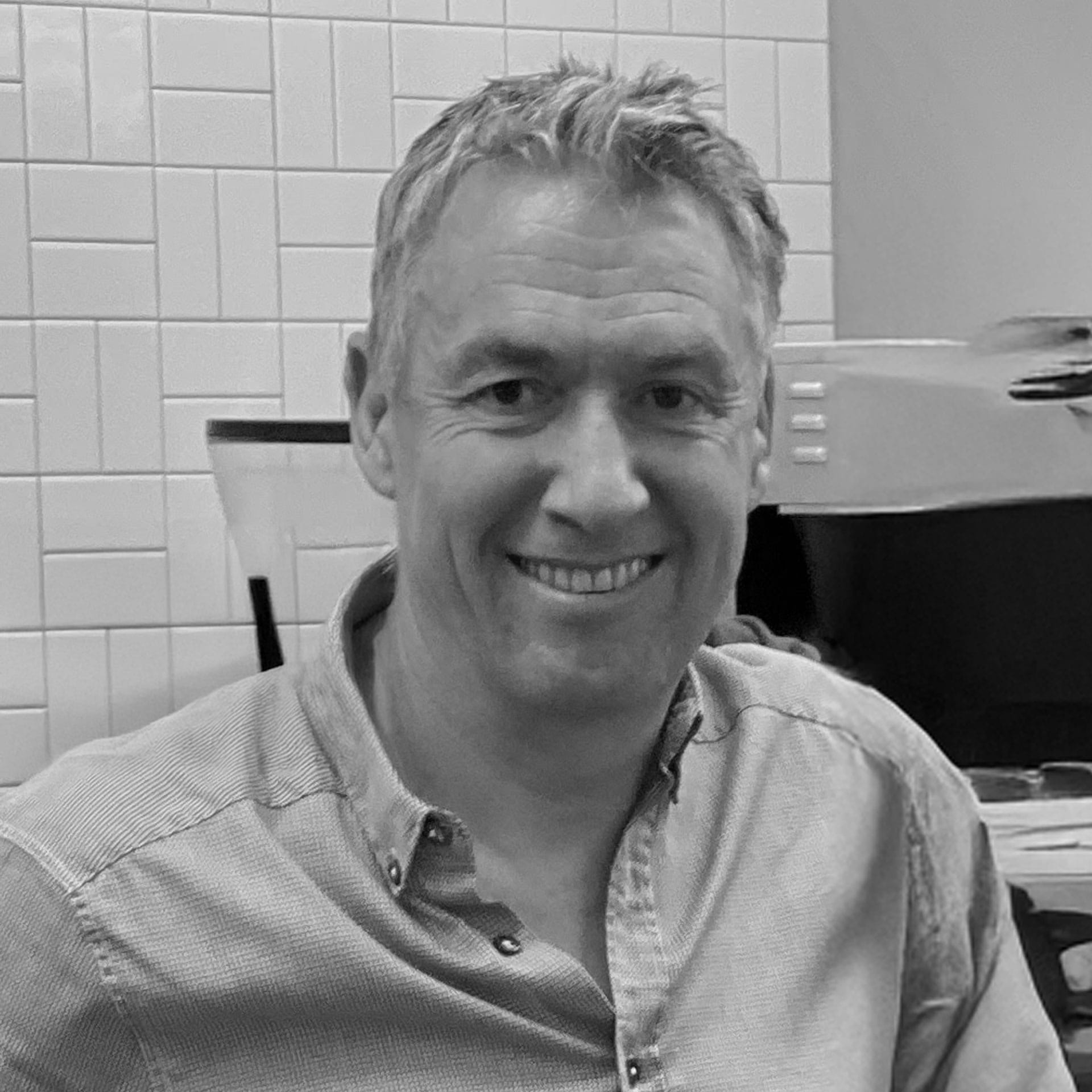
Martin Walsh, Vice President of Facilities Development at Sonic Automotive, joins Jack Ossa on The Power of Design Podcast to talk about managing a nationwide portfolio of projects and the complexity of today's design and construction industry. Martin has more than 20 years in construction and is responsible for the development, design and construction of facilities for a large automotive retailer.
The conversation moves from his upbringing on a farm in the west of Ireland to construction in California and Charlotte, and then to work ethic, quality, technology and the way projects are delivered.
About the Episode
Martin grew up working on a family farm in County Mayo and moved to the United States in 1998, starting in California and arriving in Charlotte about seven years before the recording. He describes faxing résumés and facing many rejections before landing a job at a precast concrete company in Northern California, where he worked on building facades, including a downtown San Francisco hotel tower for which his team installed glass in panels before they went on the building.
At Sonic Automotive he oversees roughly 30 to 40 projects at various stages and hires the architects, engineers and contractors. About 85% of his team is outside the company, and he was brought in to make delivery repeatable with playbooks and design standards. He argues that the idea of choosing between speed, quality and cost is a cop-out, and he discusses how the company balances its own needs with those of its manufacturers and finance.
The second half covers how technology is handled badly by many design teams, why there are too many tools and not enough consolidated delivery, the case for manufacturing buildings off-site, the next generation of talent, ride sharing and autonomous vehicles, and what he means by delivering a complete facility.
Key Takeaways
- Teamwork is the strategy: with most of the team outside the company, anticipating what partners need is critical.
- Start with requirements: define what the business, the manufacturers and finance need before briefing design partners.
- Make delivery repeatable: playbooks and design standards remove variables, while the team keeps challenging itself to improve.
- Question trade-offs: Martin rejects the idea that you must give up quality or brand for cost or speed.
- Design for the owner's technology: an integrated facility has to account for IT and the systems the owner will operate.
- Simplify tools: too many separate tools make delivery harder; owners need a consolidated approach and clear success measures at close-out.
- Deliver the whole facility: furniture, signage and low-voltage systems are part of design, not extras.
Highlights from the Conversation
I think that's quite honestly a cop-out.
Martin Walsh
We depend heavily on outside partners to deliver what we need to do for our organization.
Martin Walsh
Design is creativity delivering value for a client.
Martin Walsh
The first quote refers to the claim that a project can only have two of speed, quality and cost.
Topics Discussed
- Growing up in rural Ireland and moving to the United States
- Precast concrete facades and early construction experience
- Managing a nationwide facilities portfolio
- Speed, quality and cost
- Technology, BIM and owner IT in design
- Off-site manufacturing and productivity in construction
- Young talent entering design and construction
- Delivering a complete facility, including signage and wayfinding
Why This Conversation Matters
Martin speaks as an owner who hires design teams, which makes this episode useful for architects, engineers and contractors who want to understand what clients expect. His call for complete, repeatable and technology-aware facilities reflects the coordination we put into architecture and interior architecture projects for commercial and industrial clients, such as the CAT Greensboro Renovation and Dynapac.
About the Guest
Martin Walsh is the Vice President of Facilities Development at Sonic Automotive, where he oversees the development, design and construction of a nationwide portfolio of projects. He has more than 20 years of experience in construction, grew up in the west of Ireland, studied at university there and moved to the United States in 1998. He holds design-build and green building accreditations and has served on a design-build association board in California. Connect with Martin on LinkedIn.