
Introduction
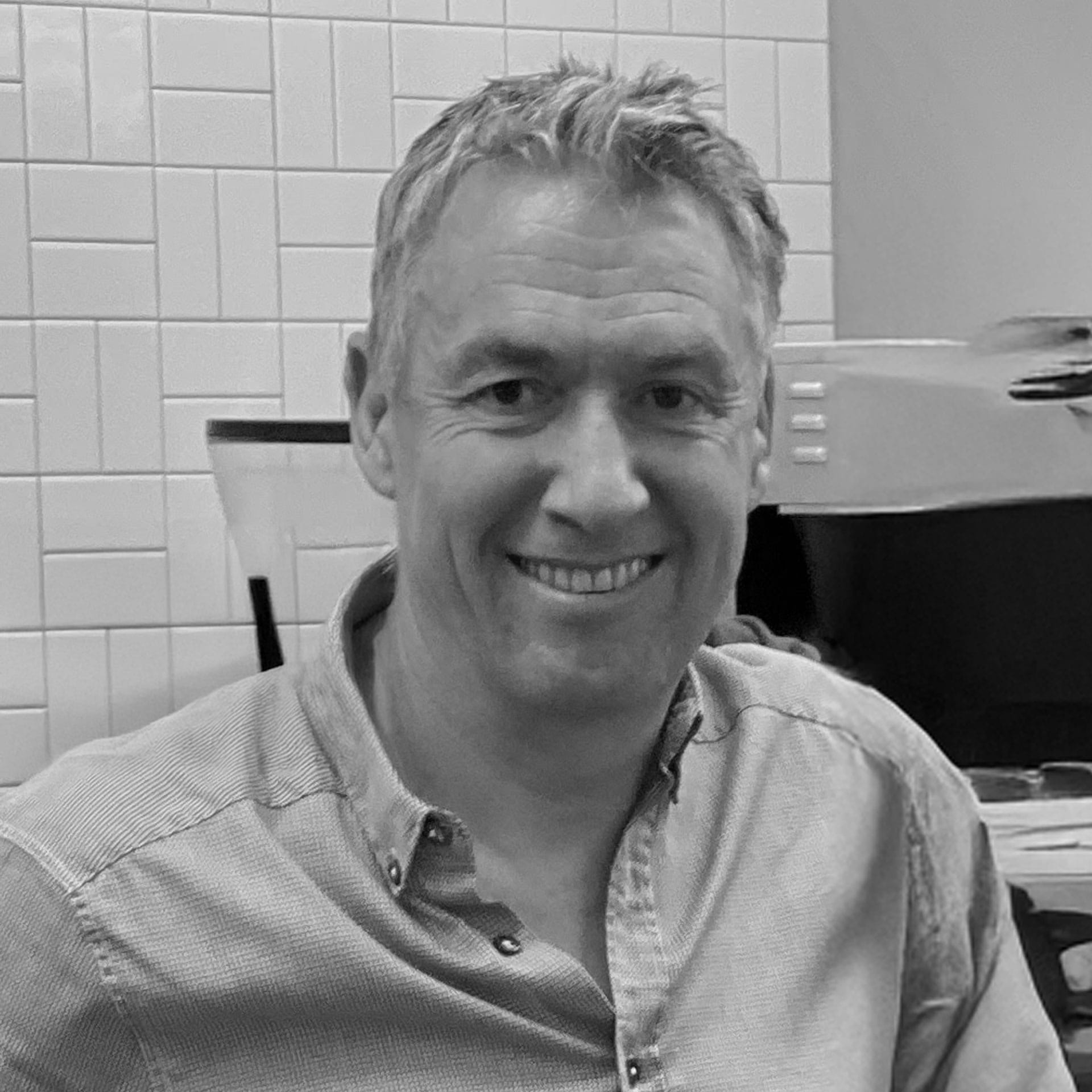
Simon Foster, Portfolio Strategy Lead at Jones Lang LaSalle (JLL), joins Jack Ossa on The Power of Design Podcast to talk about workplace experience and how large organizations can use space to attract and keep talent. Simon leads strategy for the Bank of America account in Charlotte and has more than 30 years of management experience in banking and corporate real estate.
The conversation covers his path from Essex, England to the United States, why large companies struggle to be agile, and how work, status and time off are changing.
About the Episode
Simon opens with a line from Winston Churchill about rebuilding the House of Commons: we shape our buildings, and afterward they shape us. He uses it to explain why space matters to engagement and productivity, and notes that a company's biggest costs are its people and its space, so even small improvements can be worth millions.
He grew up in Essex, studied accounting and finance, and worked in several banks before moving into corporate real estate at Credit Suisse, where he became head of corporate real estate for Europe, the Middle East and Africa. He wanted to work in America, joined JLL on the service-provider side, and moved to Charlotte to lead an account team.
Jack and Simon discuss why large organizations behave like machines, how compliance and fear of failure slow them down, and why the workplace is catching up to the seamless experiences people have as consumers. Simon expects data, AI and robotics to change work, and the two agree that identity tied to long hours and job titles needs to change. A short story about a senior leader who put his office far from the entrance, to meet more people on the way, illustrates how design can create chance encounters.
Key Takeaways
- Space shapes behavior: Churchill's point that buildings shape us applies to every workplace, and bigger is not necessarily more productive.
- People are the main asset: engagement should come first; efficient use of space then saves money as a side effect.
- Diverse skills win: Simon says teams need people who thrive in disorder alongside people who bring structure and order.
- Vision needs support: real estate decisions play out over years, so leaders need executive backing to see them through.
- Fear blocks innovation: large organizations reward safety and punish perceived failure, which hinders progress.
- Catch up with consumer experience: offices should offer the seamless experience people get everywhere else.
- Rethink status: overwork and titles are not measures of value, and rested people are more productive.
Highlights from the Conversation
We shape our buildings, thereafter they shape us.
Simon Foster
There's a culture of fear that I think in large organizations is hindering progress.
Simon Foster
Nobody ever said on their deathbed I wish I'd spent more time in the office.
Simon Foster
Topics Discussed
- Workplace experience as a competitive advantage
- People and space as the two largest corporate costs
- Moving from banking into corporate real estate
- Managing a large corporate real estate portfolio
- Agility, compliance and fear of failure in large organizations
- Short-term business goals versus long-term real estate vision
- AI, data and the workplace of the next 20 years
- Work-life balance and the meaning people attach to work
Why This Conversation Matters
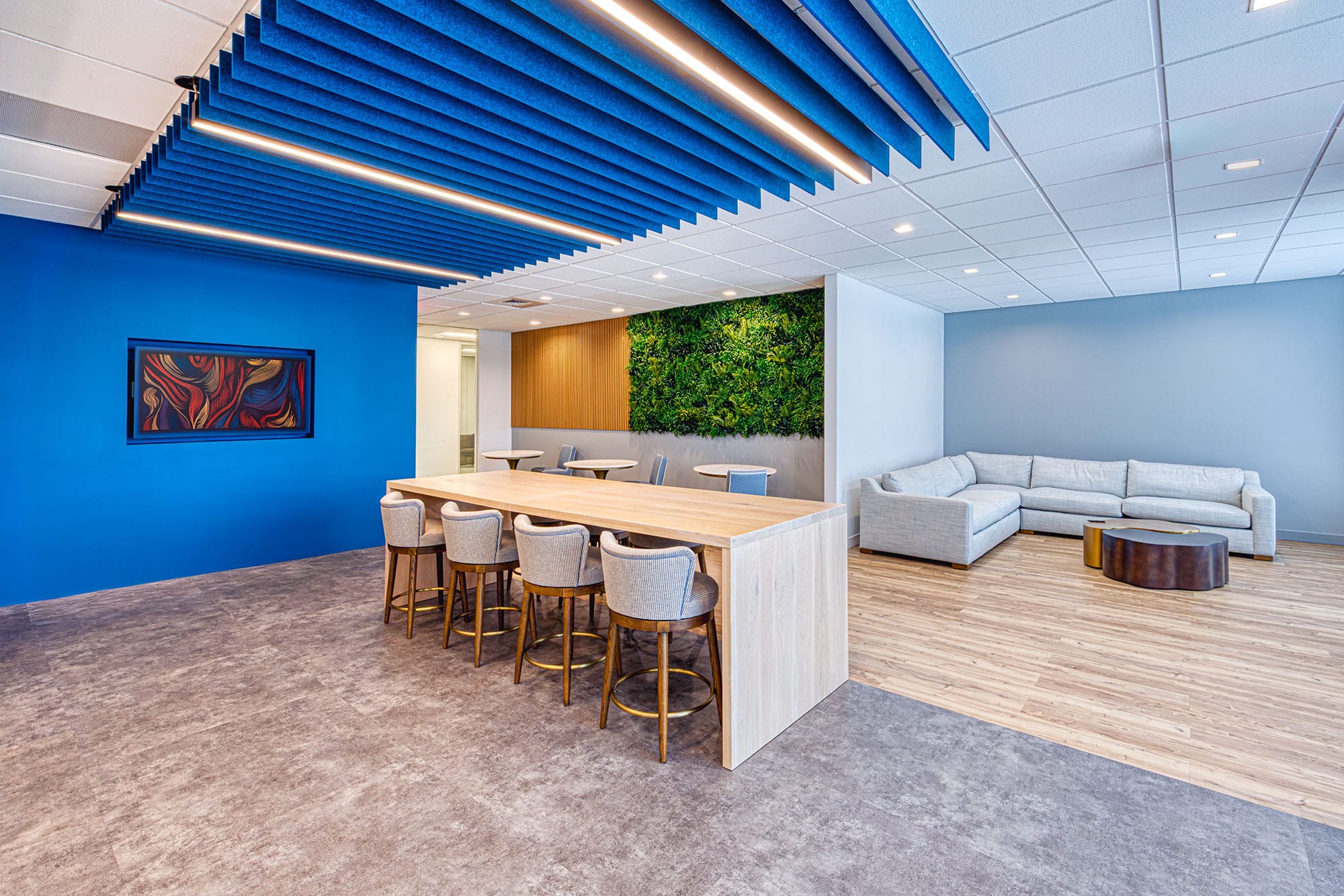
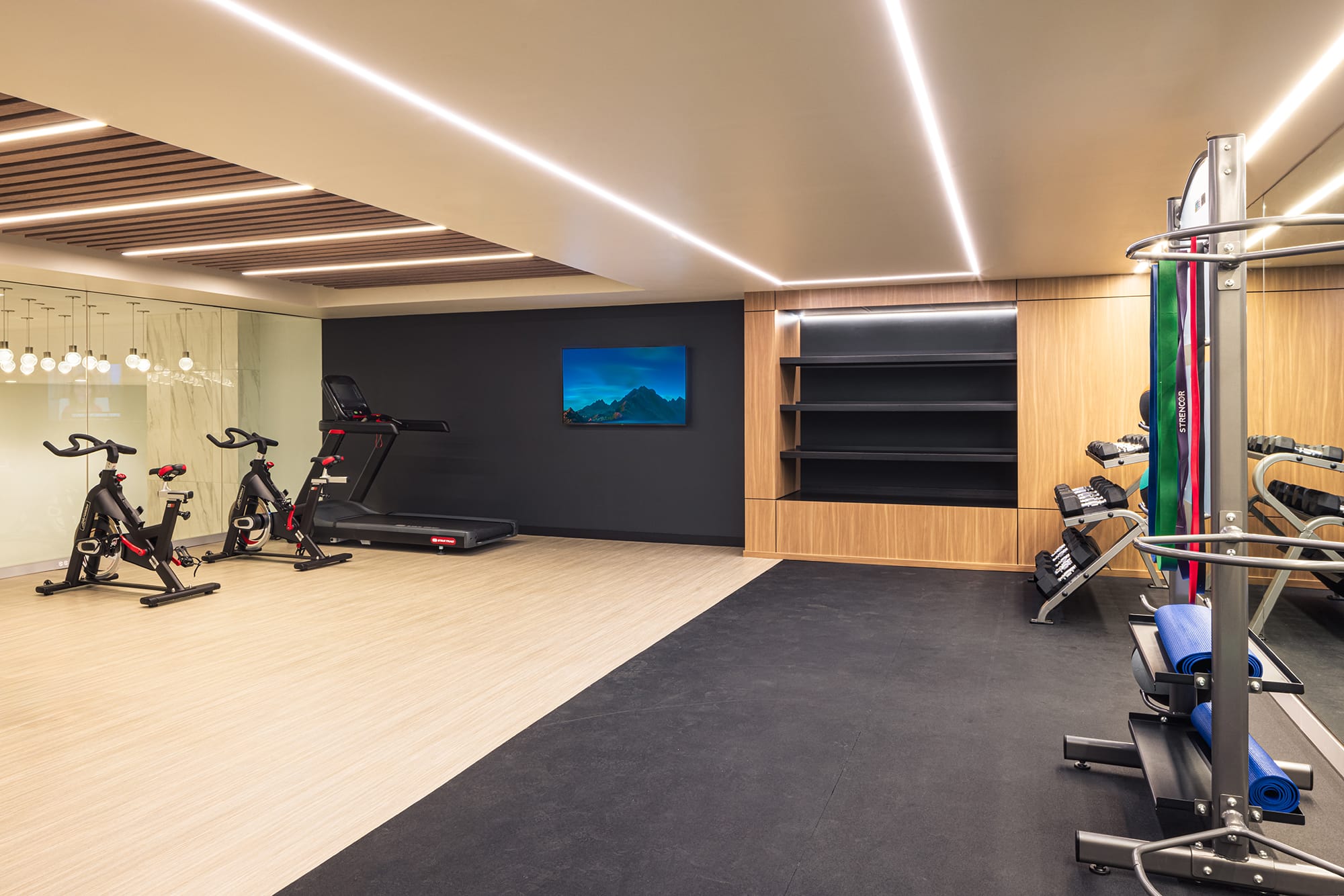
Simon's argument that space should be designed around people is useful for anyone planning an office, from corporate real estate teams to designers and building owners. It reflects how we approach interior architecture, where layout, amenities and atmosphere are planned together, as in 128 South Tryon Fitness Room and the repositioning of Coliseum Drive, and why building owners also benefit from a clear brand and experience.
About the Guest
Simon Foster is the Portfolio Strategy Lead at Jones Lang LaSalle (JLL) in Charlotte, North Carolina, where he leads strategy for the Bank of America account. An accountant by training, he worked in several banks and at Credit Suisse, where he led corporate real estate for Europe, the Middle East and Africa, before joining JLL and moving to the United States. Originally from Essex, England, he has more than 30 years of experience leading organizations through workplace transformation. Connect with Simon on LinkedIn.