

Introduction
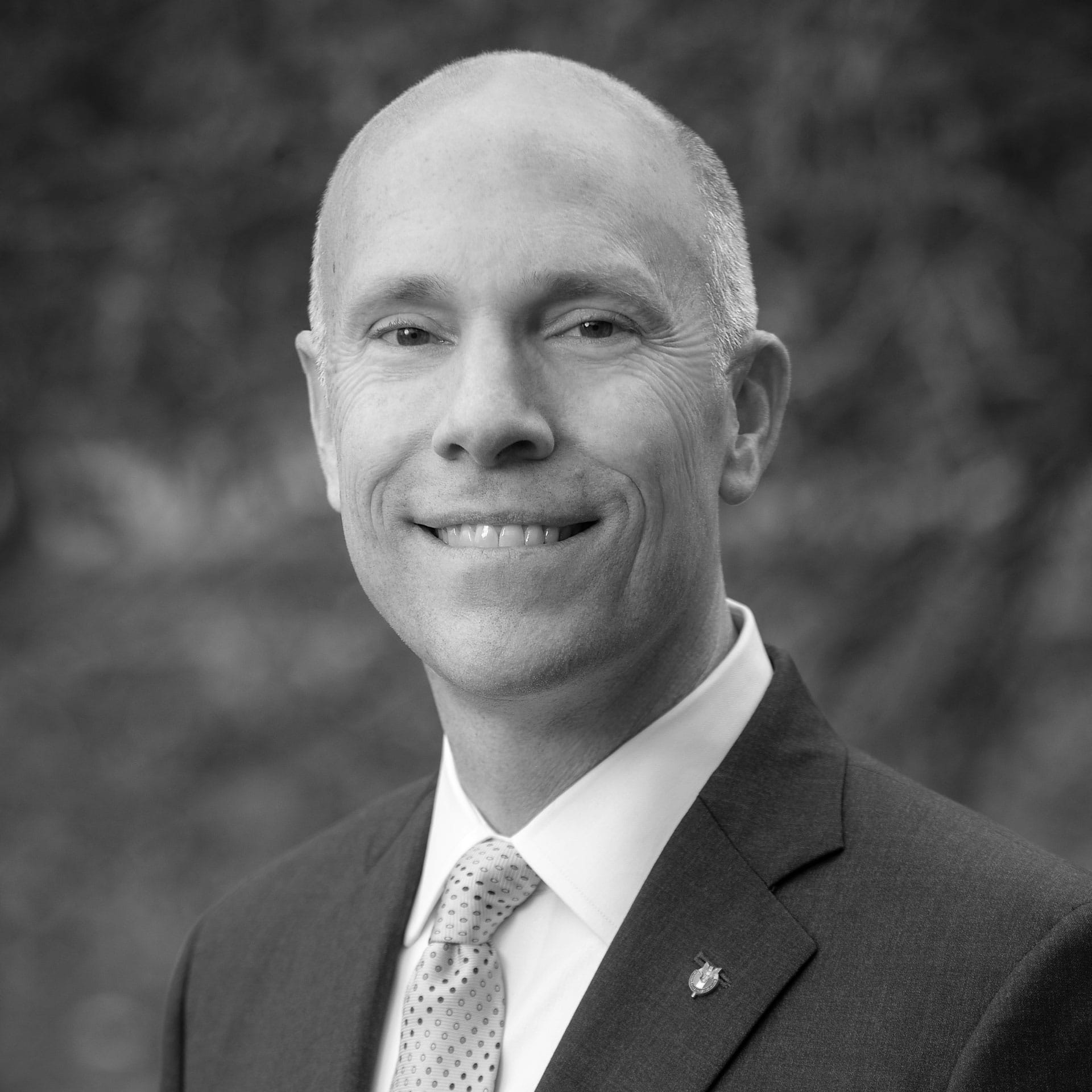
Greg Lafferty is a serial entrepreneur who started in aerospace engineering, worked on aircraft engines and at NASA's Kennedy Space Center, and now runs a group of companies built around real estate. In this episode of The Power of Design Podcast he tells Jack Ossa how an engineer who disliked sitting still became a builder, developer and mentor to new real estate investors.
The conversation covers the skills that carry over from engineering, what selling really means, why a business should choose its customers, and how a leader can create a place where a team does its best work.
About the Episode
Greg comes from a family of entrepreneurs that goes back to his great-grandfather, and he grew up around a family business. He began investing in real estate at 26, buying rundown properties, repairing them and renting them out. Later he sold embedded software and manufacturing systems, became a real estate broker, and ten years ago started a construction and development company. For about five years he worked that company and his day job together, then left the day job to focus on real estate full-time.
Today his companies, part of the New Life family, build starter homes, handle plumbing work for new construction and service calls, and manage properties as an asset manager, looking at the financials of a property and not only the tenants and repairs. His education company, Branch Wealth Partners, mentors investors from beginners to people planning to retire from managing their own portfolio.
Jack shares his own side of the story: working inside the silos of corporate architecture, starting his firm, and discovering that he could learn to sell, design and run a business. The two compare architecture and engineering as a mix of technique and art, and Greg notes how the path from technician to manager to entrepreneur depends on having done the work yourself.
Key Takeaways
- Engineering skills transfer: analyzing numbers, building pro formas and working backward from a sales price to a maximum lot price are the same habits an engineer already has.
- Communication completes the engineer: Greg learned to sell through audio training and years in technical sales, and says the engineer who can also communicate stands out.
- Sales is guiding: the salesperson sets expectations honestly, and sometimes the right answer is that the customer should buy elsewhere.
- Choose your customers: a business can decline customers who will not be partners, especially when it wants repeat work.
- Focus on one pumpkin: limiting customers and products keeps energy on the market and work a company does best.
- Build the fundamentals first: a budget, emergency savings and a solid home come before investing, and real estate belongs in a wider retirement picture.
- Lead by removing constraints: Greg sees his job as giving the team the tools, processes and environment to bring their best.
Highlights from the Conversation
Irrational behavior on the customer is typically caused by mismatched expectations.
Greg Lafferty
I think that it's almost as important for a business person or salesperson to be empowered to fire a customer as it is to hire one.
Greg Lafferty
I play Monopoly every day for real money, real houses, real tenants.
Greg Lafferty
Topics Discussed
- Moving from aerospace engineering to real estate
- Analytical skills in development and construction
- Selling as guiding a customer through a decision
- Buying signals and the emotional side of a purchase
- Choosing customers and the pumpkin plan
- Conservative first steps for new investors
- Mentoring and learning from people of any age
- Creating a good working environment for a team
Why This Conversation Matters
For anyone developing or building property, this episode shows how numbers, focus and good client relationships fit together long before a building is designed. It also explains why a team's workplace matters: Greg talks about wanting an office that supports his people, which is the kind of question we help with through interior architecture and architecture. Our residential development work, such as Metric Townhomes, and our brand work for Gresset Real Estate show how design supports real estate businesses.
About the Guest
Greg Lafferty is an entrepreneur, speaker, real estate investor, financial educator, mentor and author. He studied aerospace engineering, worked on aircraft engines and at NASA's Kennedy Space Center, and has invested in real estate for about 28 years. He leads construction, development, plumbing and property management businesses in the Charlotte region and teaches investors through a mentoring curriculum. Connect with Greg Lafferty on LinkedIn.