

Introduction
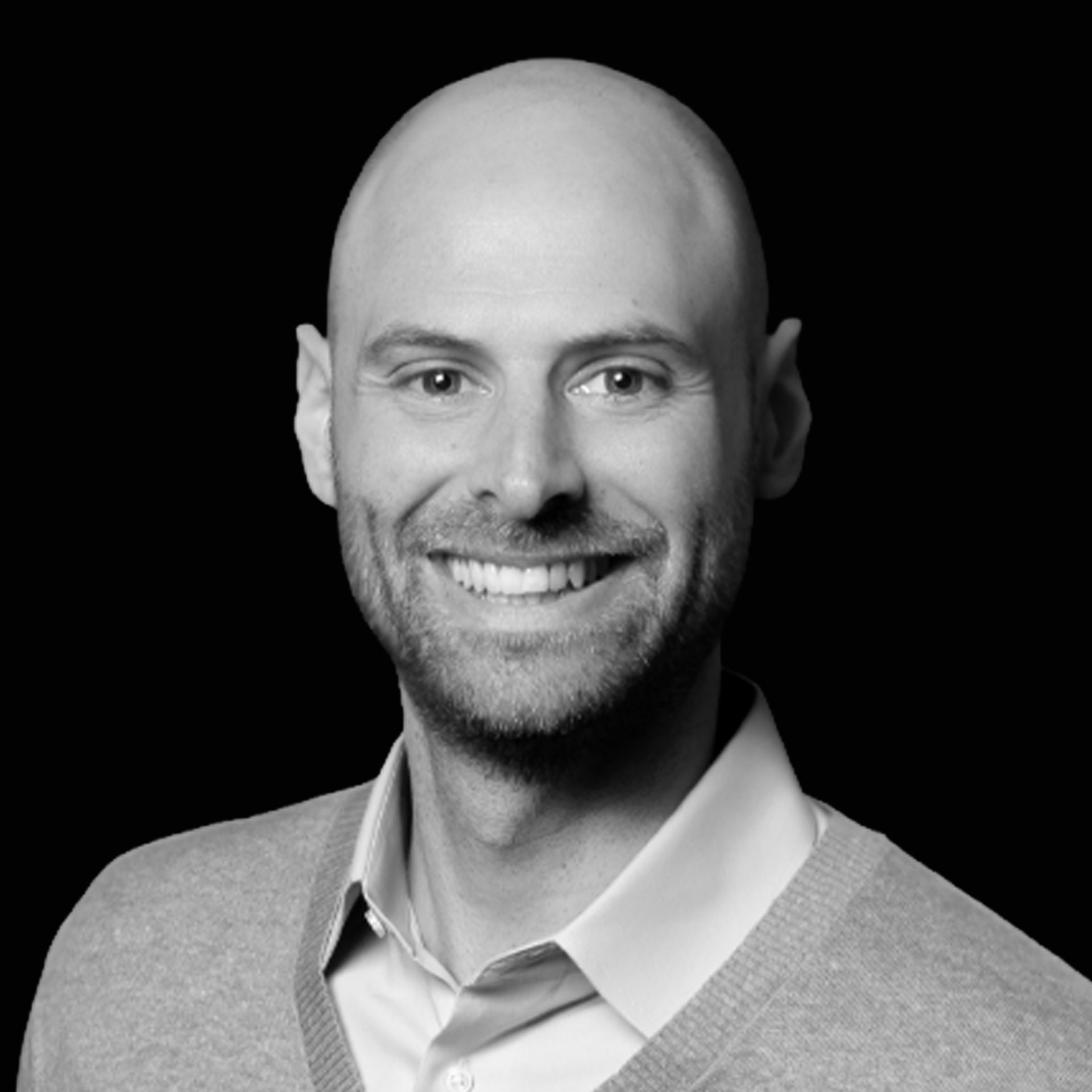
Mike Buccialia, founder and Collective Chief Soul Officer of Mindworx Collective, talks with Jack Ossa on The Power of Design Podcast about courage, compassion and commitment, and about how the mind shapes the way we experience the world. The two met recently at a mastermind event and decided to keep the conversation going on the show.
It is a wide-ranging episode that starts with Mike's path from rural New Jersey to a global career in technology and sales, and ends with a discussion of architecture as human experience and whether AI can ever replace it.
About the Episode
Mike grew up in rural South Jersey, between two farms, in a small school setting, and says that sense of isolation fueled his lifelong drive to connect with people and explore. He studied recreation and leisure in Pennsylvania, moved to New Mexico, worked in a call center for Frontier Airlines and discovered he was unusually fast with the reservation system, thanks to an early home computer. That led to a job with an airline software company, assignments around the world, nearly eight years in Australia, time in Singapore and eventually San Francisco, where he moved into consulting sales and later into Adobe's digital marketing consulting group.
He explains the framework he now uses in his coaching: courage, compassion and commitment. Referring to a line he heard from Dan Sullivan, he says courage is what you do with your pants wet, and that compassion for yourself is what keeps you from quitting. The two also talk about the difference between sympathy, empathy and compassion.
Jack and Mike compare views on sales. Mike says he succeeded by caring about the person across the table and asked for a smaller list of hard accounts to go deep with. Jack shares his view that people buy how a product or service makes them feel. The conversation then turns to Jack's definition of architecture as the human perception of space, why workplace design matters when people spend decades at work, and why AI may produce buildings but not the human experience of a space. Mike closes with how he works with clients and his plans for the next five years.
Key Takeaways
- Say yes to opportunities: Mike's career grew from a series of yeses, often to things he did not know he was good at.
- Courage is not the absence of fear: fear returns with each new challenge, and courage means acting while it is present.
- Compassion keeps you going: being kind to yourself after a stumble makes it possible to stay committed.
- Relationships beat volume: curiosity and care for the client, and choosing depth over a long prospect list, can win hard accounts.
- People buy a feeling: the skateboard analogy shows that customers want the outcome and how it makes them feel, not the components.
- Architecture is human experience: a wall disrupts empty space and changes how people feel in it, so every placement is a decision about experience.
- Question the starting point: before asking whether AI will replace architecture, ask what architecture is.
Highlights from the Conversation
If you don't have fear, you're not using courage. You're just not afraid.
Mike Buccialia
The compassion part to me is the glue.
Mike Buccialia
I just genuinely cared about the person sitting across from me.
Mike Buccialia
Topics Discussed
- Growing up in rural New Jersey and a path built on curiosity
- Working in airlines, technology and sales across three continents
- Courage, compassion and commitment as a framework
- Sympathy, empathy and compassion
- Selling through relationships instead of volume
- Architecture as the perception of space
- Workplace design and how light, symmetry and layout affect people
- AI, architecture and human experience
Why This Conversation Matters
Design decisions about walls, light and layout have a quiet but constant effect on the people who use a building, and this episode connects that idea with how people think and feel. It is relevant to leaders making changes in their organizations and to anyone commissioning a workplace. Our interior architecture and architecture teams work from that human perspective, as in BWM Office and Oula Health.
About the Guest
Mike Buccialia is the founder of Mindworx Collective and its Collective Chief Soul Officer. A former technology and sales leader whose career took him through airline software, consulting and Adobe, he now coaches executives, founders and business owners on the beliefs and patterns that influence how they lead and decide. He lives in North Carolina. Find him on LinkedIn and at mymindworx.com.