

Introduction
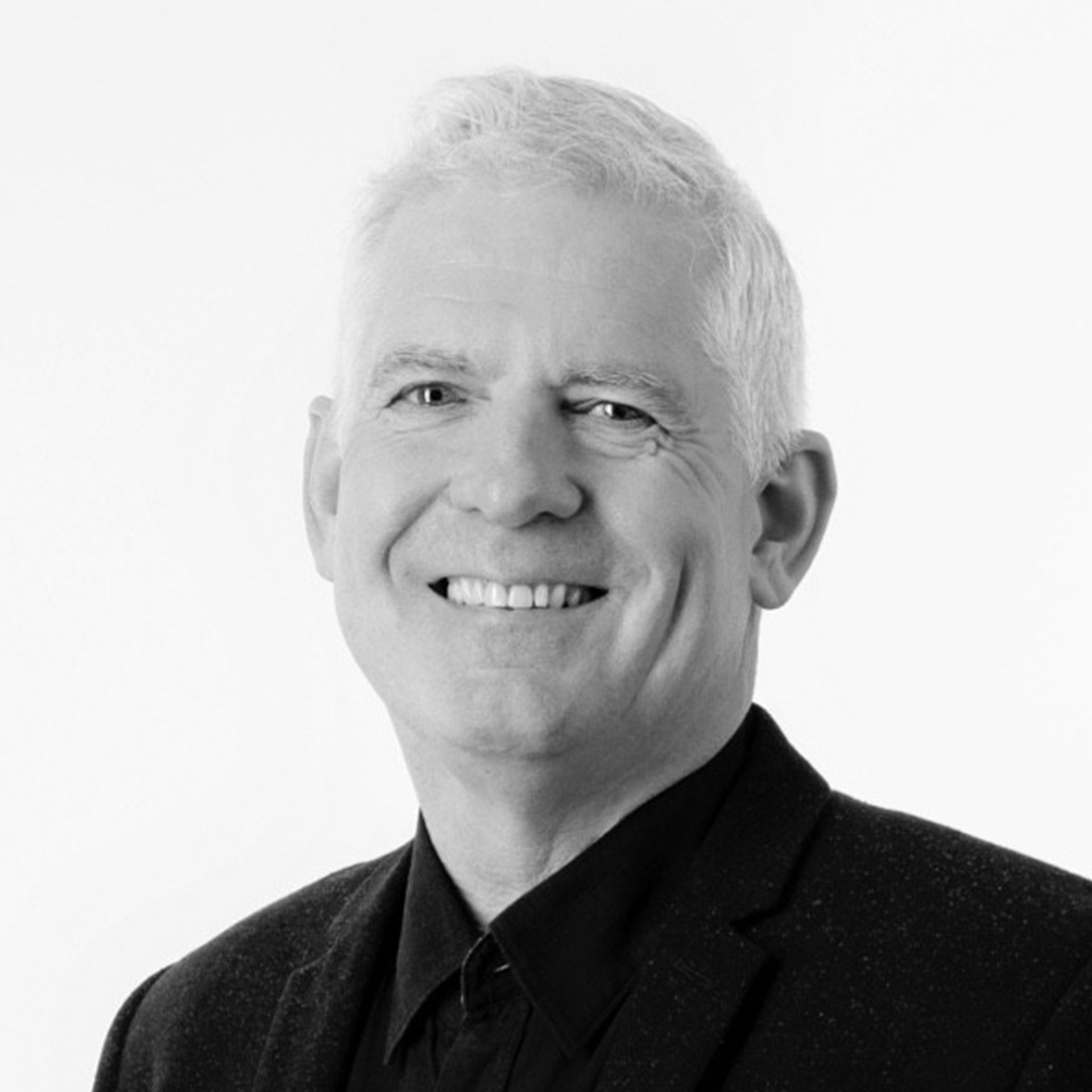
Russ Sorrells, founder of Own Your Category, joins Jack Ossa on The Power of Design Podcast. Russ is an entrepreneur and business coach who helps leaders put an operating system in place so they can regain control of their companies and move away from mediocrity.
The two know each other from a business program they went through together. In this conversation Russ traces his path from a small Indiana town and an engineering career to sales, his own agency and coaching, and he explains the sales, cash and planning habits that he says most companies need.
About the Episode
Russ grew up in Southern Indiana near the home of a large engine manufacturer. He studied engineering at Purdue and began as a manufacturing engineer working on fuel pump machining and test stands. He tells how he found a list of goals he wrote in sixth grade, which included working at that company, and became committed to goal setting. As a teenager he rode along with his father on sales calls to machine shops, which he later realized was ten years of unrecognized sales training.
He moved into sales because it was measurable, became a top salesperson for his company, and later started his own agency in the Carolinas. Over time he built, bought and sold six businesses. Another inflection point came when he walked out of a customer meeting and realized he no longer enjoyed it, which started his move to coaching.
Russ then lays out his three focus areas: sales, finances and planning. He explains the 7-3-1-90 plan and four questions leaders should answer weekly. Jack and Russ also talk about authenticity, selling yourself to yourself, the stories we tell about ourselves, and why unlearning matters as much as learning.
Key Takeaways
- Set goals and act: the goals Russ wrote as a child shaped his career, but he says results come from taking action.
- Sales drive a business: relying on word of mouth is a risky foundation, and every company should be sales-driven.
- Work the open quotes first: future orders come from proposals already sent, so follow-up deserves more attention than chasing new leads.
- Let customers design the solution: offering three rough options and listening leads to a quote the customer wants, which raised his team's close rate.
- Know your cash position: understanding current cash and a 30, 60 and 90 day forecast frees up mental energy for leading.
- Plan in layers: a seven-year vision, three-year milestones, one-year objectives and 90-day sprints give a team direction.
- Unlearn what limits you: Russ says the story we tell ourselves can strengthen or weaken us, and that unlearning is as important as learning.
Highlights from the Conversation
What I do with all my teams is every project we're going to create a winning strategy, because winning isn't an accident, it's intentional.
Russ Sorrells
The biggest lesson I learned is that customers buy what they want to buy.
Russ Sorrells
I like to say that unlearning is more important than learning.
Russ Sorrells
Topics Discussed
- Growing up in Southern Indiana and starting as an engineer
- Setting goals and taking action
- Learning sales from his father's sales calls
- Becoming a top salesperson and starting an agency
- Why sales, cash and planning matter
- Listening and asking questions in sales meetings
- The 7-3-1-90 plan and four leadership questions
- Authenticity, personal stories and unlearning
Why This Conversation Matters
Russ's lessons apply to design and construction firms that depend on referrals and want a steadier pipeline. Making clients feel understood starts with a clear identity, which is the focus of our branding work for professional-services companies such as MSW Engineers and Genesis Construction. For businesses planning a new office or facility, the same planning mindset carries into our architecture and interior architecture work.
About the Guest
Russ Sorrells is the founder of Own Your Category and a business coach and guide. He studied engineering at Purdue University, began his career as a manufacturing engineer, moved into sales and started his own agency in the Carolinas. He has built, bought and sold six businesses and now coaches leadership teams on sales, finances and planning. He created the Full Potential program.